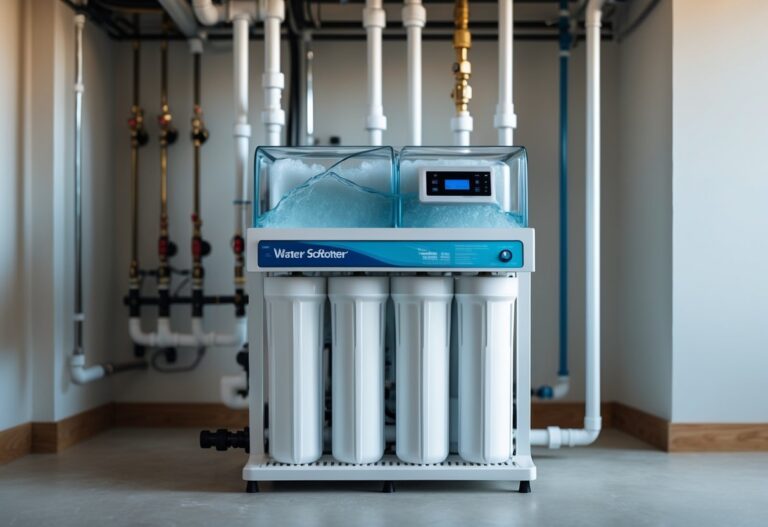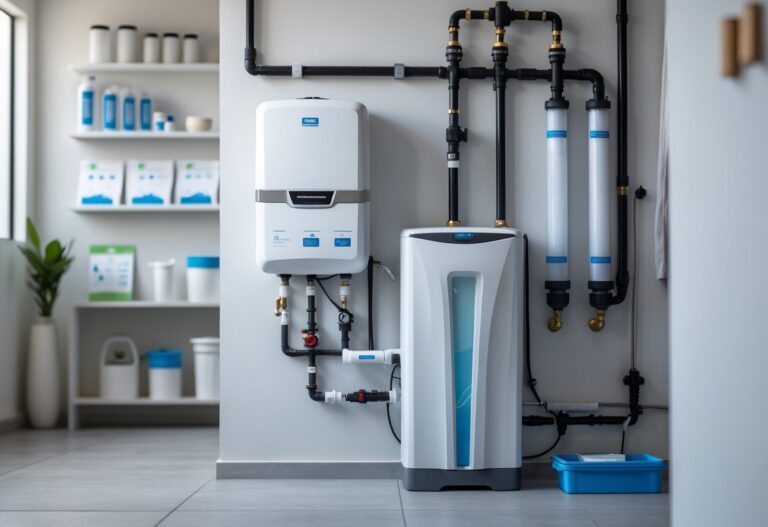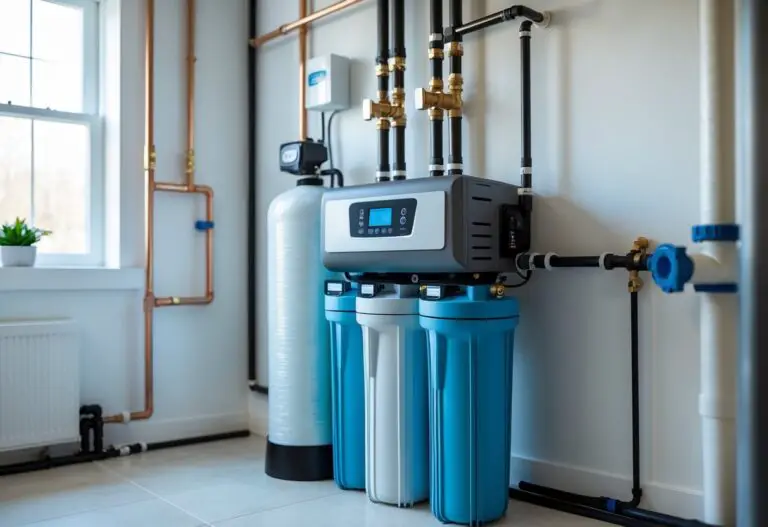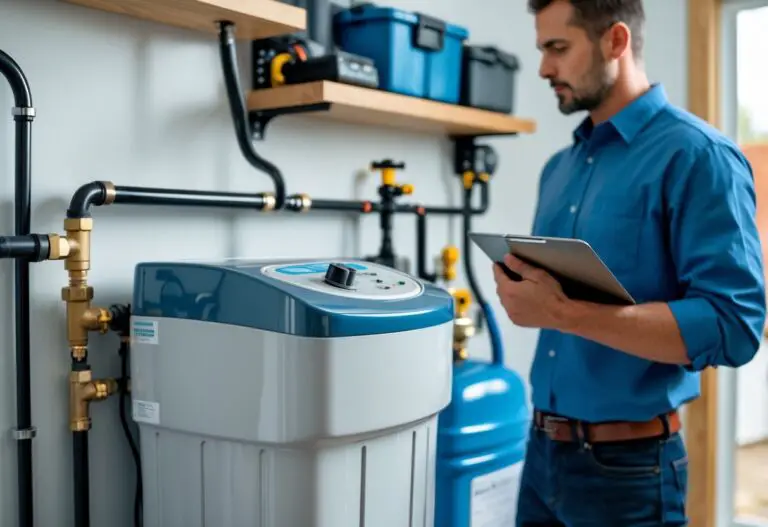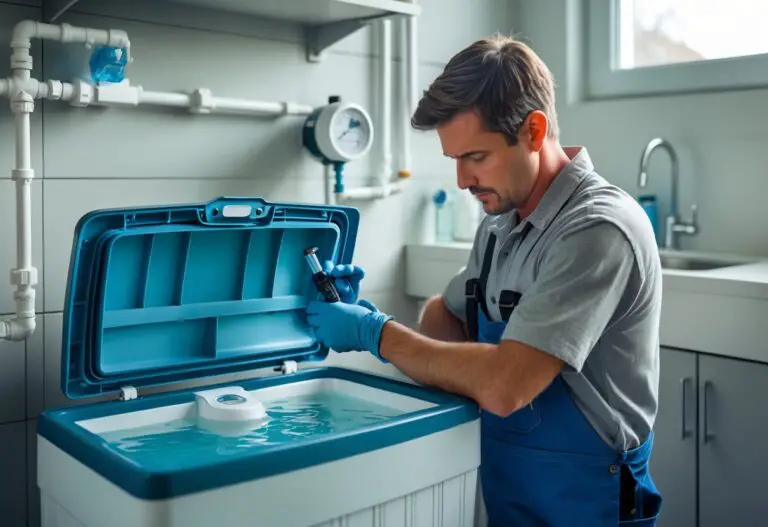

Many homeowners wonder if their water softener is doing the same job as a water filter, especially when shopping for water treatment systems. While both improve your home’s water quality, they work in completely different ways and solve different problems. A water softener is not a filter – it uses ion exchange to remove hard water minerals like calcium and magnesium, while filters remove contaminants like chlorine, lead, and chemicals.

Understanding this difference matters because you might need one system, the other, or both depending on your water quality issues. If you have hard water causing scale buildup and soap scum, a softener addresses those minerals. If your water tastes bad or contains harmful contaminants, a filter tackles those problems.
The confusion between these systems often leads people to buy the wrong equipment for their specific water problems. Knowing how each system works and what it removes helps you make the right choice for your home and budget.
Key Takeaways
- Water softeners remove hard water minerals through ion exchange while filters remove contaminants through physical filtration
- You need a softener for hard water problems like scale buildup and a filter for taste, odor, or safety concerns
- Many homes benefit from both systems since they address different water quality issues
What Is a Water Softener?
A water softener is a whole-house appliance that removes calcium and magnesium minerals from your water supply. These systems protect your pipes, appliances, and plumbing from scale buildup while improving water quality for daily use.
How Water Softeners Work
Water softeners use a process called ion exchange to remove hardness minerals from your water. The system contains a tank filled with tiny plastic beads called resin.
These resin beads are coated with sodium ions. When hard water flows through the tank, the calcium and magnesium minerals stick to the beads. The sodium ions get released into the water instead.
This exchange removes the hard water minerals that cause problems. Your water becomes soft and won’t leave scale deposits on your fixtures or appliances.
The system automatically cleans itself through regeneration cycles. During this process, salt water flushes through the resin tank to recharge the beads with fresh sodium ions.
Benefits of Water Softeners
Soft water provides several important benefits for your home and health. Your appliances will last longer and work more efficiently without mineral buildup.
Appliance Protection:
- Water heaters run more efficiently
- Washing machines and dishwashers avoid scale damage
- Pipes stay clear of mineral deposits
Household Benefits:
- Less soap scum on bathroom surfaces
- Softer skin and hair after bathing
- Cleaner dishes without white spots
- Brighter laundry that feels softer
You’ll also use less soap and detergent because soft water creates better lather. This saves money on cleaning products over time.
Types of Water Softeners
Two main types of water softener systems are available for your home. Each works differently to address hard water problems.
Salt-Based Water Softeners use ion exchange with sodium to remove calcium and magnesium completely. These systems provide the most effective hard water treatment.
Salt-Free Water Softeners change the structure of hardness minerals instead of removing them. They prevent scale buildup but don’t create true soft water.
Salt-based systems work better for severe hard water problems. Salt-free options require less maintenance but offer limited protection against limescale.
Common Hard Water Problems
Hard water minerals cause several noticeable problems throughout your home. These issues get worse over time without proper treatment.
Scale and Mineral Buildup:
- White crusty deposits on faucets and showerheads
- Limescale inside water heaters and pipes
- Reduced water flow from mineral blockages
Appliance Issues:
- Shortened lifespan of washing machines and dishwashers
- Poor water heater efficiency
- Frequent repairs due to mineral damage
Personal Care Problems:
- Dry, itchy skin after showering
- Dull, brittle hair
- Soap that doesn’t lather well
You might also notice rust stains, cloudy glassware, and dingy laundry. These signs indicate your water contains high levels of calcium and magnesium that need treatment.
What Is a Water Filter?
Water filters are devices designed to remove contaminants, chemicals, and impurities from your water supply through various filtration methods. These systems improve water taste, smell, and safety by targeting specific pollutants that can affect your health and water quality.
How Water Filters Remove Contaminants
Water filters use physical and chemical processes to trap or neutralize harmful substances in your water. Activated carbon filters absorb chlorine, pesticides, and organic compounds that cause bad taste and smell.
Sediment filters catch particles like rust, dirt, and debris before they reach your tap. These filters work by forcing water through materials with tiny pores that block contaminants while allowing clean water to pass through.
Reverse osmosis systems push water through a semi-permeable membrane under pressure. This process removes up to 99% of dissolved solids, including heavy metals, bacteria, and microorganisms.
Some filters combine multiple methods in one system. Multi-stage water filtration systems might use sediment filters, activated carbon filters, and reverse osmosis together for complete contaminant removal.
Types of Water Filters and Filtration Methods
Whole house water filters treat all water entering your home at the main water line. These systems protect your entire water supply from sediment, chlorine, and other contaminants found in municipal water.
Carbon filters are the most common type for removing chlorine and improving water taste. Granular activated carbon and carbon block filters both use carbon’s natural absorption properties.
Reverse osmosis systems work best for removing dissolved contaminants like lead, heavy metals, and bacteria. These systems typically include multiple stages with sediment and carbon pre-filters.
Sediment filters remove visible particles and protect other filter types from clogging. They’re often the first stage in multi-stage water filtration systems.
Point-of-use filters like under-sink and countertop models treat water at specific locations. These work well for drinking water improvement without treating your entire water supply.
Benefits of Water Filtration
Water filtration systems remove contaminants that pose health risks, including lead, bacteria, and pesticides. These systems provide safer drinking water by reducing bacterial contamination and microorganisms that can cause illness.
Filtered water tastes and smells better because filters remove chlorine and other chemicals added during municipal water treatment. You’ll notice less metallic or chemical taste in your drinking water.
Water filter systems protect your plumbing and appliances from sediment and rust that can cause damage over time. Clean water extends the life of water heaters, washing machines, and other appliances.
Many people save money by using filtered tap water instead of buying bottled water. A quality water filtration system pays for itself through reduced bottled water costs.
Limitations of Water Filters
Water filters cannot soften hard water or remove minerals like calcium and magnesium that cause scale buildup. You’ll still experience problems with soap scum, scale deposits, and reduced appliance efficiency with hard water.
Different filter types target specific contaminants, so no single filter removes everything. Activated carbon filters don’t remove heavy metals effectively, while reverse osmosis systems waste water during the filtration process.
Filters require regular maintenance and replacement to work properly. Sediment filters may need changing every few months, while carbon filters typically last 6-12 months depending on your water quality.
Some water filtration systems reduce beneficial minerals along with harmful contaminants. Reverse osmosis removes nearly all dissolved minerals, which some people prefer to keep in their drinking water.
Is a Water Softener a Filter? Key Differences Explained
Water softeners and water filters serve distinct purposes in water treatment, with softeners targeting hardness minerals and filters removing various contaminants. Understanding their different functions and impacts on your plumbing and appliances helps you choose the right water treatment solution for your specific needs.
Water Softener vs Water Filter Functions
Water softeners use ion exchange technology to remove calcium and magnesium minerals that cause hard water. The system swaps these minerals with sodium ions through resin beads.
Water filters use physical filtration methods to remove contaminants. They target chlorine, lead, bacteria, and other impurities that affect taste and safety.
Key functional differences:
- Softeners: Remove hardness minerals only
- Filters: Remove wide range of contaminants
- Process: Ion exchange vs physical filtration
- Purpose: Prevent scale vs improve water quality
A water softener is not technically a filter. It doesn’t trap particles or contaminants like traditional filters do.
Impact on Water Quality and Appliances
Water softeners protect your appliances and plumbing from scale buildup. They extend appliance longevity by preventing mineral deposits in water heaters, dishwashers, and washing machines.
Soft water improves cleaning efficiency. You’ll use less soap and detergent while avoiding soap scum buildup on fixtures.
Water filters address different water quality issues. They remove chlorine taste, eliminate rust stains, and reduce harmful contaminants that softeners cannot handle.
Benefits comparison:
- Softeners: Better for appliances, plumbing protection, cleaning efficiency
- Filters: Better for taste, odor, health concerns, clean water production
Your water testing results determine which system provides the most value for your specific water usage patterns.
Choosing the Right Water Treatment Solution
Test your water first to identify specific problems. Hard water requires a softener, while contamination issues need filtration systems.
You might need both systems if your water has hardness minerals and other contaminants. Many homes benefit from combining these water treatment technologies.
Consider your priorities when choosing. Focus on appliance protection if you have expensive equipment. Choose filtration if taste and health concerns matter most.
Decision factors:
- Water test results showing hardness levels
- Presence of chlorine, metals, or other contaminants
- Appliance protection needs
- Budget for water treatment solutions
Professional water testing helps you make the right choice for your home’s specific water quality challenges.
When to Use a Water Softener, a Filter, or Both
Your home’s water quality determines whether you need a water softener, water filter, or both systems working together. Hard water requires different treatment than contaminated water, and many homes face both challenges simultaneously.
Signs You Need a Water Softener
White spots on dishes are the most common sign of hard water in your home. Your dishwasher cannot prevent mineral deposits when calcium and magnesium levels exceed 3.5 grains per gallon.
Scale buildup appears as white, chalky residue around faucets and showerheads. This same buildup damages your washing machines and other appliances from the inside.
Your skin feels dry and itchy after showers when hard water minerals stick to your body. Hair becomes brittle and difficult to manage with regular washing.
Soap doesn’t lather well and leaves a film on surfaces. You need more detergent for washing machines and dishwashers to get clothes and dishes clean.
Higher energy bills often result from scale buildup in your water heater. The mineral deposits make your system work harder to heat water effectively.
Indicators for Installing a Water Filter
Chemical taste or smell in your water indicates chlorine or other treatment chemicals. City water often contains these additives that affect taste and safety.
Metallic taste suggests heavy metals like lead or iron in your water supply. Well water commonly contains these naturally occurring contaminants.
Cloudy or discolored water shows sediment or rust particles. These contaminants can damage appliance longevity and create health concerns over time.
Rotten egg odor indicates hydrogen sulfide gas in your water. This creates unpleasant smells and can corrode your plumbing system.
Health concerns from your water test results showing dangerous contaminants. Private wells especially need regular testing for bacteria, nitrates, and other harmful substances.
Combining Systems for Comprehensive Protection
Install both systems when your water test shows hardness above 3.5 GPG plus contaminants like chlorine or heavy metals. Water softener systems alone cannot remove chemicals that affect taste and health.
Place the filter first in your plumbing line to protect your water softener from chlorine damage. Chlorine breaks down the resin beads that make softeners work properly.
Reverse the order when you have very hard water with light contamination. The softener prevents scale buildup in your water filtration system components.
Maximum appliance longevity comes from treating both hardness and contaminants. Your dishwashers, washing machines, and water heater last longer with comprehensive water treatment protection.