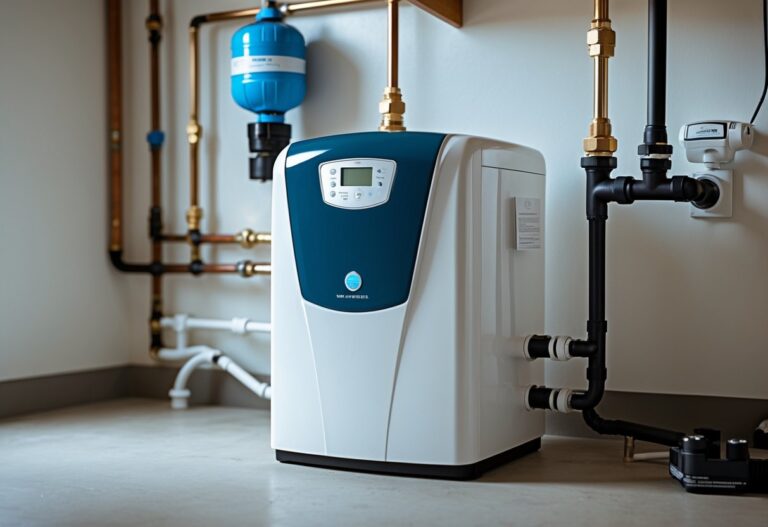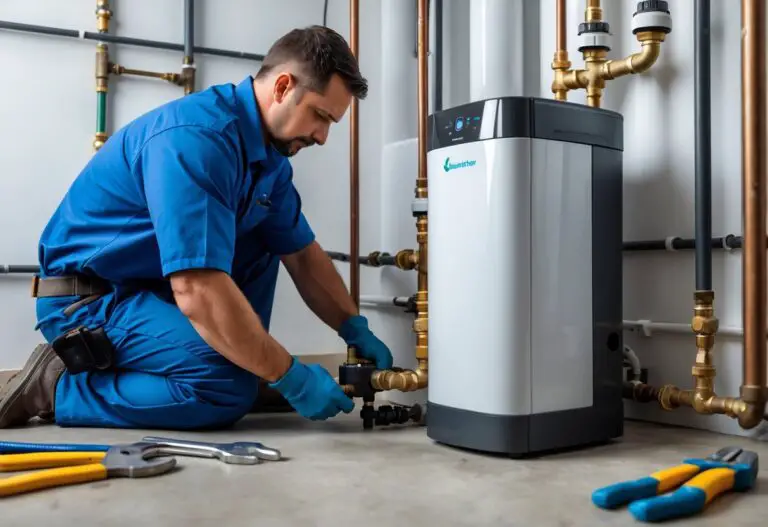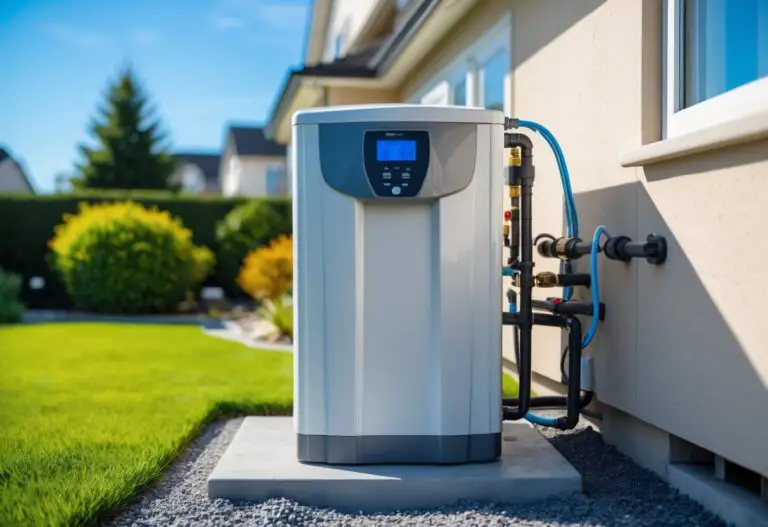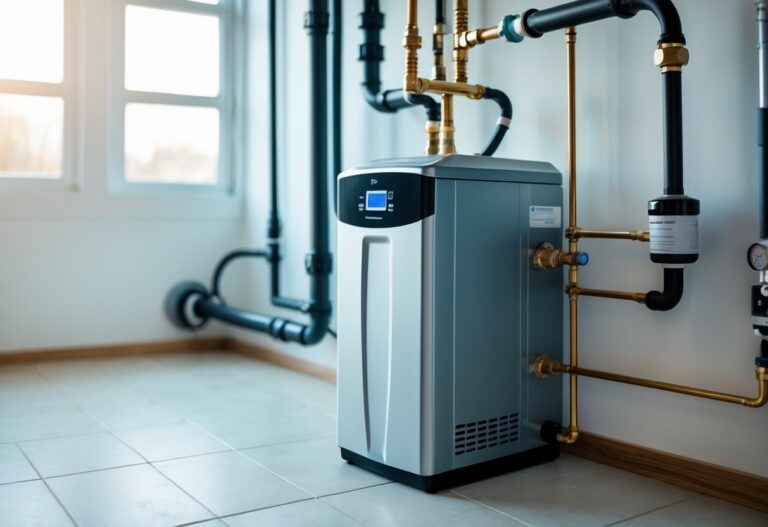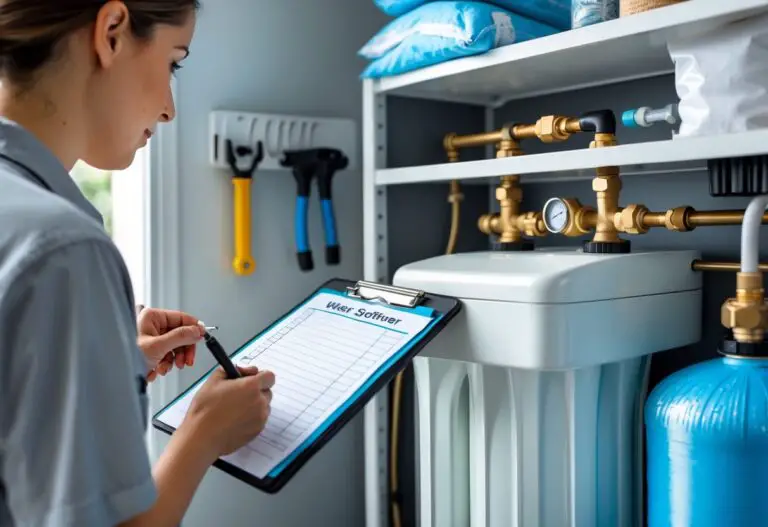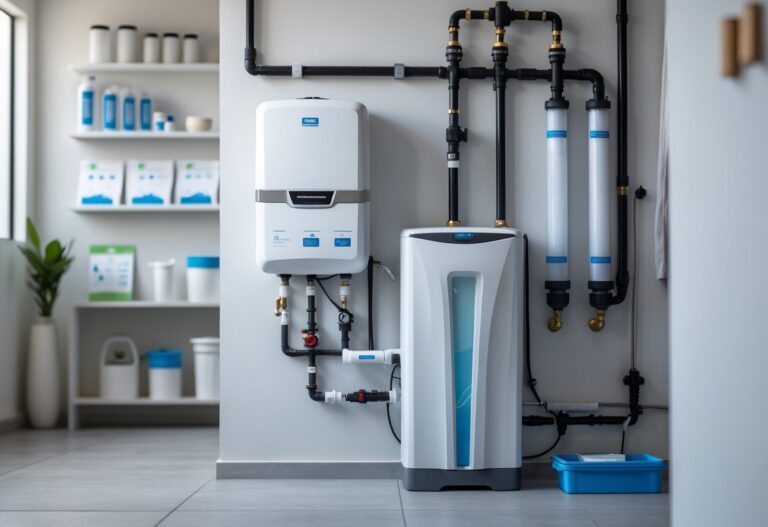

If you’re dealing with hard water problems in your home, you might think any water softener will solve the issue. Water softeners are not all the same – they use different technologies, work at varying levels of effectiveness, and are designed for different household needs. From salt-based systems to salt-free options, the type you choose can make a big difference in your results.
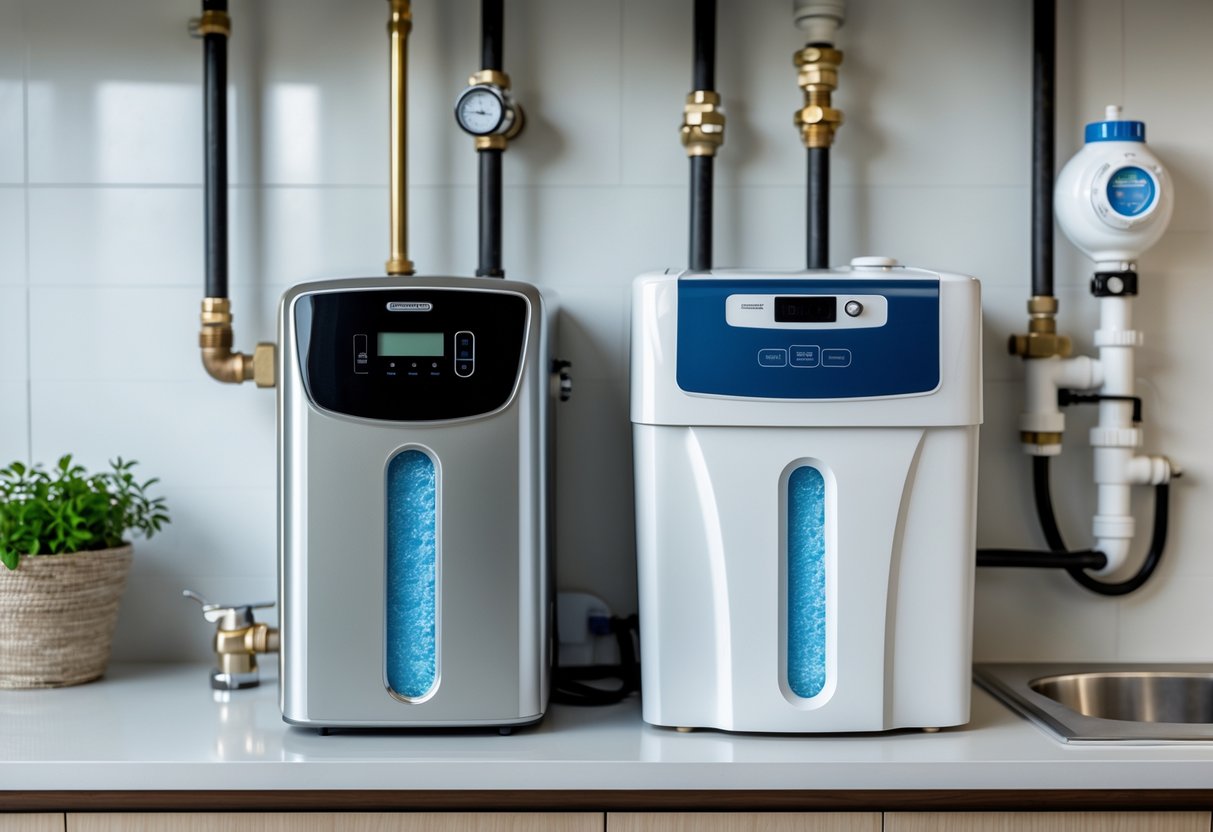
The water softening market offers six main types of systems, each with unique ways of treating hard water minerals like calcium and magnesium. Some use ion exchange with salt, while others rely on magnetic fields or reverse osmosis. Your home’s water usage, space constraints, and budget will all play a role in determining which system works best for you.
Understanding these differences before you buy can save you money and ensure you get the right solution for your specific hard water problems. The wrong choice could leave you with continued mineral buildup, higher maintenance costs, or a system that simply doesn’t work for your household’s needs.
Key Takeaways
- Water softeners use different methods like ion exchange, crystallization, and magnetic fields to treat hard water minerals
- Salt-based systems work best for whole homes while point-of-use options like shower head softeners target specific areas
- Choosing the right system depends on your water hardness level, household size, and whether you want whole-home or targeted treatment
How Water Softeners Work
Water softeners use ion exchange technology to remove calcium and magnesium minerals that cause hard water problems. The process involves resin beads that swap harmful minerals for sodium or potassium ions.
Hard Water Problems and Effects
Hard water contains high levels of calcium and magnesium minerals. These minerals create serious problems in your home’s plumbing and appliances.
Limescale buildup forms when hard water heats up. This white, chalky substance clogs pipes and reduces water flow. Your water heater works harder when limescale coats the heating elements.
Hard water makes soap less effective. You need more detergent to clean dishes and clothes. Soap combines with minerals to create a sticky film on surfaces.
Your skin and hair suffer from hard water exposure. The minerals leave residue that makes skin feel dry and hair look dull. Shampoo doesn’t lather well in hard water.
Appliances like dishwashers and washing machines wear out faster. The mineral deposits damage internal parts and reduce efficiency. Coffee makers and kettles develop thick mineral coatings.
Ion Exchange Process
The ion exchange process happens inside the resin tank of your water softener. Small plastic beads called resin hold sodium or potassium ions.
Hard water flows through thousands of these resin beads. The beads have a negative charge that attracts positive calcium and magnesium ions.
Calcium and magnesium ions stick to the resin beads. The beads release sodium ions into the water in exchange. This swap removes the minerals that cause water hardness.
Over time, the resin beads become full of calcium and magnesium. The system needs to regenerate by flushing the beads with salt water. This process removes the collected minerals and recharges the beads with fresh sodium.
The regeneration cycle happens automatically. Most systems regenerate at night when water use is low.
Role of Sodium and Potassium Chloride
Sodium chloride (regular salt) is the most common choice for water softeners. It costs less and works well for most homes. The salt dissolves in water to create brine for regeneration.
Potassium chloride offers an alternative to sodium. People on low-sodium diets often choose potassium chloride. It works the same way but costs more than regular salt.
Both types of salt must be food-grade quality. Rock salt contains impurities that can damage your system. Solar salt and evaporated salt are the cleanest options.
You need to add salt regularly to keep your system working. Most homes use 40-80 pounds of salt per month. The amount depends on your water hardness and daily water use.
Understanding Softened Water
Softened water feels different than hard water. It creates more soap lather and leaves your skin feeling smoother. Clothes come out of the wash softer and brighter.
The water tastes slightly different due to added sodium. Most people adjust to the taste quickly. The sodium level is much lower than what you get from food.
Softened water prevents new limescale from forming. Existing buildup will slowly dissolve over time. Your appliances will last longer and work more efficiently.
Plants may not like softened water due to the sodium content. Use unsoftened water for gardens and houseplants. Many water softeners include a bypass valve for outdoor faucets.
The hardness level drops to near zero after treatment. You can test your water with strips to confirm the system is working properly.
Comparing Types of Water Softeners
Water softening systems work through different methods to address hard water problems. Salt-based water softeners use ion exchange technology, while salt-free systems prevent mineral buildup without removing minerals from water.
Salt-Based Softeners
Salt-based water softeners are the most common type of water softening systems. They work through ion exchange technology in a resin tank.
The resin beads inside the tank attract calcium and magnesium ions from your water. These hard water minerals get swapped for sodium or potassium ions.
How They Work:
- Hard water flows through negatively charged resin beads
- Calcium and magnesium stick to the besin
- Sodium or potassium ions take their place
- Soft water flows to your home
You need to add softener salt regularly to keep the system working. Most systems use sodium chloride, but you can also use potassium chloride.
Key Benefits:
- Remove hard minerals completely
- Work well with very hard water
- Proven technology with reliable results
Main Drawbacks:
- Add sodium to your water
- Require regular salt refills
- Need periodic maintenance
These systems handle high water flow rates well. They work best for whole-house water treatment.
Salt-Free Softeners and Water Conditioners
Salt-free water softeners don’t actually remove minerals from your water. Instead, these water conditioners change how minerals behave.
Many salt-free systems use template-assisted crystallization (TAC). This process changes the structure of calcium and magnesium minerals.
TAC Process:
- Water flows through special media beads
- Minerals form tiny crystals on the beads
- Crystals break off and stay in the water
- Changed minerals don’t stick to pipes
You won’t need to add salt or chemicals to these water conditioners. They require very little maintenance compared to salt-based systems.
Main Advantages:
- No salt or chemicals needed
- Don’t add sodium to water
- Low maintenance requirements
- Better for people on low-sodium diets
Key Limitations:
- Don’t remove minerals completely
- May not work well with very hard water
- Less proven than traditional softeners
These systems work better for moderate water hardness levels. They prevent scale buildup but don’t make water feel “soft” like salt-based systems.
Dual-Tank and High-Efficiency Systems
Dual-tank systems have two resin tanks instead of one. While one tank softens your water, the other tank regenerates.
This design means you always have soft water available. Regular single-tank systems stop working during regeneration cycles.
Dual-Tank Benefits:
- Continuous soft water supply
- No interruption during regeneration
- Good for high water usage homes
- More efficient salt and water use
High-efficiency systems use advanced controls to optimize performance. They track your water usage patterns and adjust accordingly.
These smart systems regenerate only when needed. This saves salt, water, and energy compared to timer-based systems.
Efficiency Features:
- Demand-based regeneration
- Precise flow controls
- Water usage monitoring
- Reduced waste production
You’ll pay more upfront for these advanced water softening systems. However, they often save money long-term through reduced operating costs.
Magnetic and Electronic Systems
Magnetic and electronic water treatment systems claim to condition water without salt or chemicals. These devices attach to your water pipes.
How They Work:
- Create magnetic or electronic fields
- Claim to change mineral behavior
- Don’t remove minerals from water
- Require no maintenance or salt
The effectiveness of these systems is heavily debated. Many water treatment experts question whether they actually work.
Claimed Benefits:
- No salt or chemicals needed
- Easy installation on existing pipes
- No ongoing maintenance costs
- Compact size
Major Concerns:
- Limited scientific proof of effectiveness
- May not work with all water types
- Results vary widely between homes
- Not certified by major testing organizations
Most water quality experts recommend proven technologies instead. Salt-based softeners and certified salt-free systems have better track records for treating hard water problems.
Water Softeners vs Water Filters
Water softeners and water filters serve different purposes in home water treatment systems. Water softeners specifically target hard water minerals, while water filters remove various contaminants to improve water quality and safety.
Key Differences in Water Treatment
Water softeners use ion exchange to remove calcium and magnesium minerals that cause hardness. The system swaps these minerals with sodium ions through resin beads in the tank.
Water softeners address:
- Scale buildup on appliances
- Soap scum formation
- Dry skin and hair
- White spots on dishes
Water filters use physical filtration methods to trap contaminants. They remove chemicals, heavy metals, and other impurities that affect taste and health.
Water filters target:
- Chlorine and chemical odors
- Heavy metals like lead
- Sediment and dirt
- Bacteria and other pathogens
The maintenance differs significantly between systems. Water softeners need regular salt refills and periodic tank cleaning. Water filtration systems require filter cartridge replacements based on usage and capacity.
Addressing Hard Water Minerals vs Contaminants
Hard water minerals create different problems than general water contaminants. Calcium and magnesium cause scale buildup but don’t necessarily make water unsafe to drink.
You need a water softener when you have more than 3.5 grains per gallon (GPG) of hardness. Signs include white buildup on faucets, reduced soap lather, and appliance efficiency problems.
Water treatment systems that filter contaminants solve different issues. Chemical tastes, metallic flavors, and cloudy water indicate contamination problems that require filtration.
Key mineral vs contaminant differences:
- Hard minerals affect cleaning and appliances
- Contaminants impact health and taste
- Minerals cause visible scale buildup
- Contaminants may be invisible but dangerous
Some water quality issues require both approaches. Hard water with chlorine contamination needs both softening and filtration for complete treatment.
Role of Reverse Osmosis and Filtration Systems
Reverse osmosis systems provide the most thorough water filtration available. These systems remove up to 99.99% of total dissolved solids (TDS), including both minerals and contaminants.
A reverse osmosis system uses multiple filtration stages. Pre-filters remove sediment and chlorine. The RO membrane blocks dissolved solids. Post-filters polish the water for better taste.
RO system stages typically include:
- Sediment pre-filter
- Carbon pre-filter
- Reverse osmosis membrane
- Carbon post-filter
Water filtration systems come in various types for different needs. Whole house systems treat all incoming water. Point-of-use filters target specific faucets or appliances.
Carbon filters excel at removing chlorine and improving taste. They work well with water softeners to create comprehensive water treatment systems.
Installing filters before softeners protects the resin from chlorine damage. This setup extends your water treatment system’s lifespan and maintains consistent performance.
Choosing the Right Water Softener for Your Home
Your water’s mineral content and daily usage patterns determine which system will work best. Testing your water hardness and understanding your household’s maintenance capacity are key factors in making the right choice.
Water Hardness Level and Water Testing
You need to know your water’s exact hardness level before choosing a system. Water hardness is measured in grains per gallon (gpg), with levels above 7 gpg considered very hard.
Get a free water analysis from a local water treatment company or test your water yourself with a kit. Many water companies offer this service at no cost.
Hardness levels affect system choice:
- 0-3 gpg: Soft water (no softener needed)
- 4-7 gpg: Moderately hard (smaller capacity system works)
- 8-12 gpg: Hard water (medium capacity required)
- 13+ gpg: Very hard (high-capacity system needed)
Your test results will show calcium and magnesium levels. These hard water minerals cause limescale buildup in pipes and appliances.
Match your system’s grain capacity to your water hardness level. A system that’s too small won’t handle very hard water effectively.
Maintenance and Salt Replenishment
Salt-based systems require regular salt replenishment every 4-8 weeks. You’ll need to check your brine tank monthly and add salt when levels drop below one-quarter full.
Different salt types include:
- Rock salt (cheapest but leaves residue)
- Solar salt (cleaner than rock salt)
- Evaporated salt (purest option, prevents buildup)
Your system will use more salt with harder water. Very hard water can double your salt consumption compared to moderately hard water.
Some systems have low-salt indicators or smartphone alerts. These features help you track when salt replenishment is needed.
Salt-free systems need different maintenance. They require filter changes or periodic cleaning but don’t need salt additions.
Appliance Longevity and Household Needs
Water softeners protect your appliances from mineral damage. Hard water reduces appliance longevity by 30-50% due to mineral buildup inside heating elements and pipes.
Calculate your daily water usage:
- Each person uses 70-80 gallons daily
- Add extra for dishwashers, washing machines, and multiple bathrooms
- Peak usage times need adequate flow rates
Your system’s capacity should handle 3-4 days of water usage before regenerating. This ensures you always have soft water available.
Consider space requirements for installation. Larger households need bigger systems that take more space in basements or utility rooms.
High-efficiency systems use less water and salt during regeneration. These models cost more upfront but save money long-term through reduced operating costs.