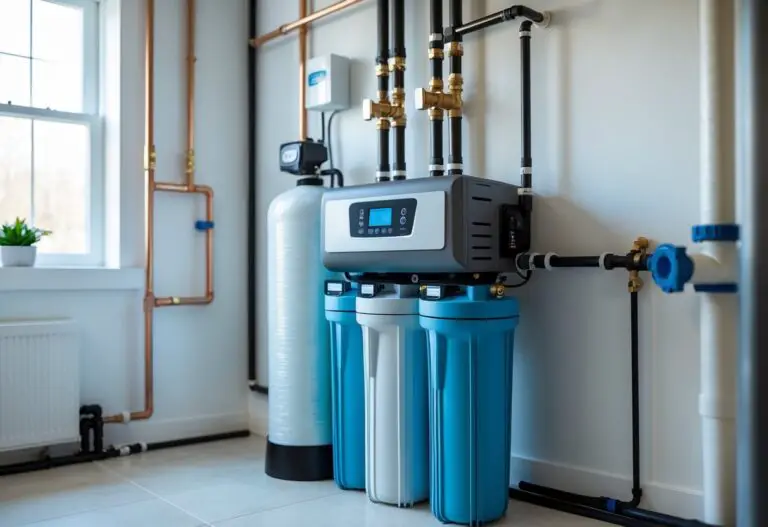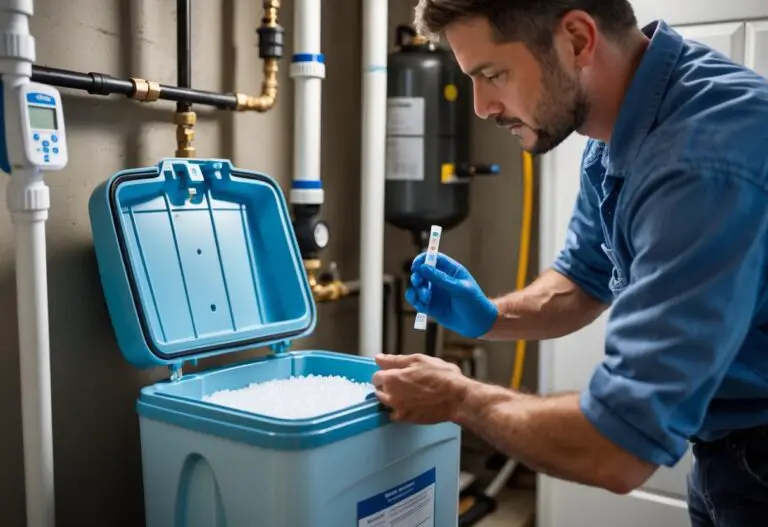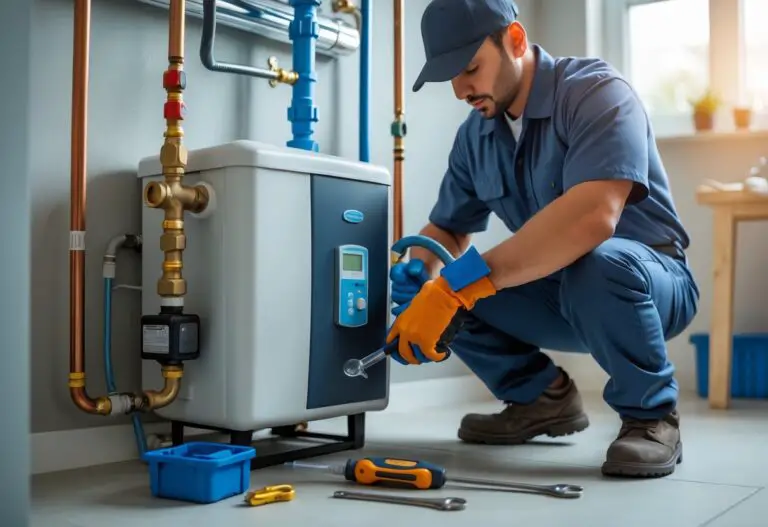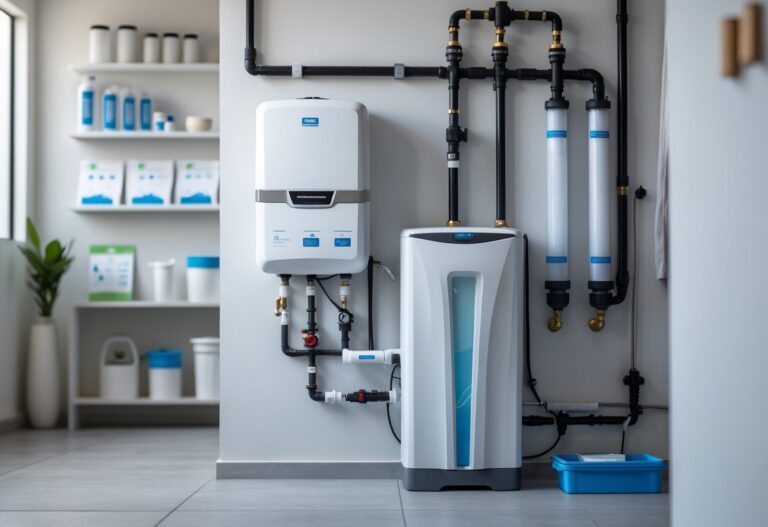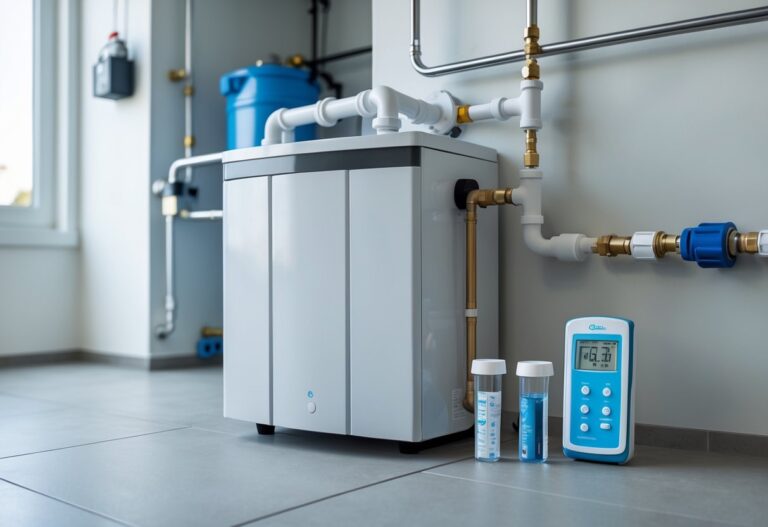

When your water softener sits idle with a full salt tank, it signals a problem that needs immediate attention. This common issue affects thousands of homeowners and can leave you dealing with hard water problems like soap scum, mineral buildup, and dingy laundry. Your water softening system typically stops using salt due to salt bridges forming in the brine tank, clogged components, wrong salt types, or faulty regeneration cycles.
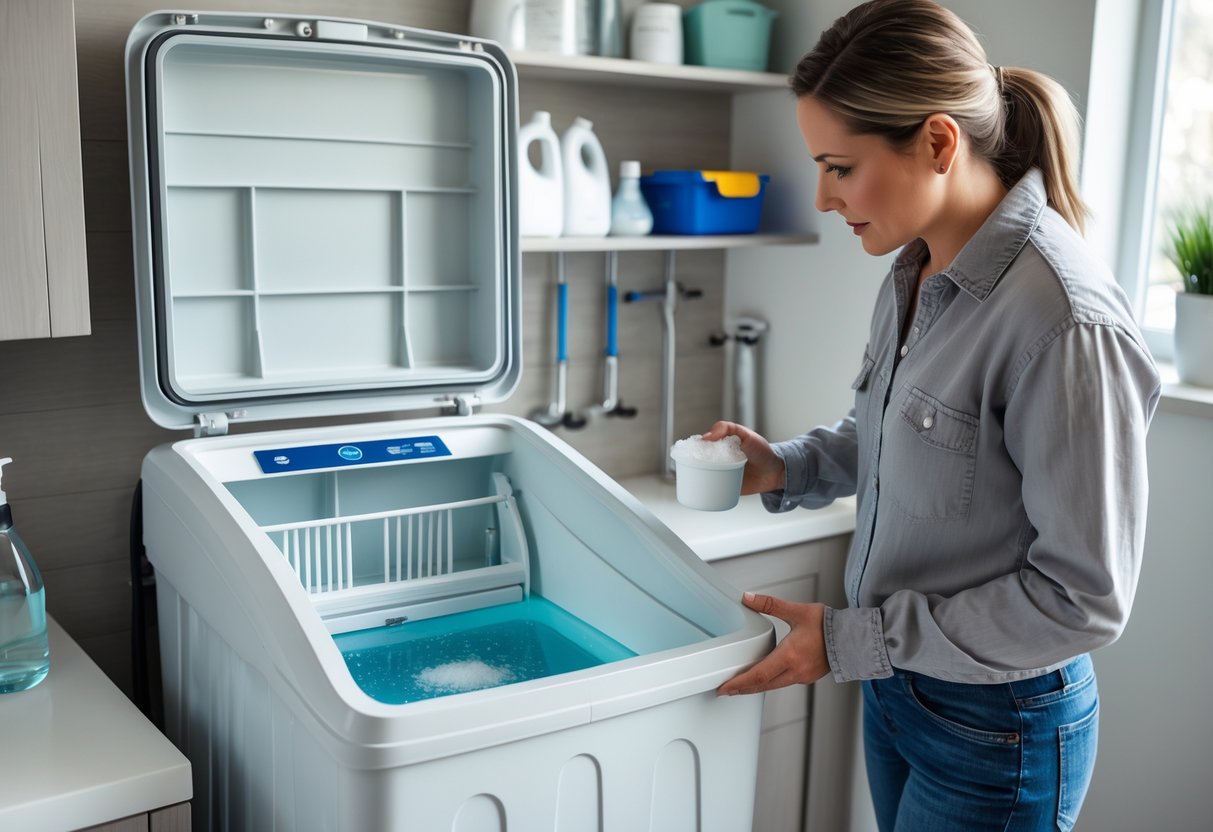
The good news is that most salt-related problems have straightforward solutions you can tackle yourself. Understanding why your water softener isn’t consuming salt properly will save you money on repairs and restore your soft water quickly.
Whether you’re dealing with a brand-new system or an older unit, identifying the root cause requires checking a few key areas. From examining your brine tank for blockages to verifying your regeneration settings, the solution often involves simple maintenance steps that get your water softeners back to peak performance.
Key Takeaways
- Salt bridges and wrong salt types are the most common reasons water softeners stop using salt properly
- Most salt-related problems can be diagnosed by checking the brine tank, regeneration system, and control valve
- Regular maintenance and using the correct salt type prevents most water softening system issues
Core Reasons Your Water Softener Is Not Using Salt
Most water softener salt usage problems come from physical blockages in the brine tank or issues with the regeneration process. These problems prevent the system from creating the salt solution needed to clean the resin beads and soften your water.
Salt Bridge Formation
Salt bridging happens when salt hardens into a solid layer inside your brine tank. This creates a barrier that stops water from reaching the salt below.
The bridge forms when humidity or temperature changes cause salt to stick together. You might see plenty of salt in your tank, but the water can’t dissolve it because of the hard crust on top.
Signs of a salt bridge:
- Salt level looks normal but water stays hard
- Tapping the tank sounds hollow
- Poking with a broom handle hits solid resistance
To fix this, carefully break up the hardened salt with a broom handle or similar tool. Remove the broken pieces from your brine tank. Don’t use sharp objects that could damage the tank.
Prevention tips:
- Keep your softener in a dry area
- Use high-quality salt pellets
- Fill the tank only halfway
- Check salt levels monthly
Salt Mushing and Salt Build-Up
Salt mushing creates a thick, muddy layer at the bottom of your brine tank. Unlike salt bridges, this problem happens at the tank bottom where dissolved salt turns into a paste-like substance.
This mushy layer blocks water flow and prevents proper brine creation. Your system can’t make the salt solution needed for regeneration.
Salt mushing often happens when you use poor-quality salt or overfill your tank. Rock salt with high impurity levels causes this problem more often than clean salt pellets.
How to identify salt mushing:
- Water level drops but salt usage stays low
- Thick, muddy substance at tank bottom
- Brine solution looks cloudy or dirty
Clean out the entire brine tank to fix this issue. Scrub away all the mushy buildup and refill with fresh, high-quality salt pellets.
Lack of Water in Brine Tank
Your brine tank needs water to dissolve salt and create the cleaning solution. Without enough water, no brine forms and your resin beads don’t get cleaned.
Several issues can cause low water levels. A broken float valve might not let water enter the tank. Leaks in the brine tank or connecting pipes drain water away.
Check your brine tank water level regularly. You should see 2-3 inches of water above the salt platform when the system isn’t regenerating.
Common causes of water shortage:
- Cracked brine tank
- Loose pipe connections
- Faulty float valve
- Blocked water inlet
Fix any leaks you find and replace damaged parts. Make sure all connections are tight and the float valve moves freely.
Improper Regeneration Cycle
The regeneration cycle controls when and how your system uses salt. Problems with this cycle mean your softener won’t draw brine from the tank properly.
A clogged venturi nozzle is the most common regeneration problem. This part sucks brine from the tank during regeneration. When it gets blocked with mineral deposits, no salt solution flows through.
Timer or control valve issues can also disrupt the regeneration cycle. Your system might skip the brine draw step or not run long enough to use salt effectively.
Regeneration problems include:
- Blocked venturi nozzle
- Wrong timer settings
- Faulty control valve
- Interrupted power supply
Clean the venturi nozzle with warm water and a soft brush. Check your timer settings match your water hardness and usage needs. Reset the system if power outages changed your settings.
Diagnosing and Fixing Common Water Softener Problems
Most water softener salt issues come from four main problem areas: salt bridges blocking proper water flow, faulty brine tank components like the float valve, clogged system parts including the venturi valve and drain hose, and control head malfunctions that prevent proper regeneration cycles.
Checking for and Breaking Salt Bridges
A salt bridge forms when salt hardens into a crust above the water in your brine tank. This prevents salt from dissolving properly.
How to identify a salt bridge:
- Tap the salt surface with a broom handle
- If it sounds hollow underneath, you have a bridge
- The salt level stays the same even after regeneration cycles
Break the bridge by carefully poking it with a long tool like a broom handle. Work from multiple angles to fully break up the hardened layer.
Prevention steps:
- Keep humidity below 50% in the area around your softener
- Use high-purity pellet salt instead of rock salt
- Fill the brine tank only half full to prevent compression
Clean out any broken salt pieces completely. Refill with fresh evaporated salt pellets for best results.
Identifying Issues with Brine Tank Components
The float valve controls water levels in your brine tank. When it malfunctions, your softener cannot make proper brine solution.
Check if the float valve moves freely up and down. It should not stick in one position. Clean around the valve stem if you see salt buildup or debris.
Float valve problems include:
- Stuck in the up position (too little water)
- Stuck in the down position (too much water)
- Cracked or damaged float
Adjust the float valve to the height recommended in your system manual. Most systems need the float set between specific marks on the brine well.
Look for cracks in the brine tank itself. Small cracks can cause water leaks that prevent proper brine concentration. Replace damaged tanks immediately.
The brine line connection should be tight and free of mineral buildup. Clean the connection point where it enters the control head.
Clearing Clogs in Brine Line, Venturi Valve, and Drain Hose
The venturi valve creates suction to draw brine from the tank during regeneration. When clogged, it cannot pull salt water through the system.
To clean the venturi valve:
- Turn off power to your softener
- Remove the valve cover (usually plastic)
- Take out the small screen and nozzle parts
- Rinse with warm water and brush gently
- Reassemble all parts in reverse order
Check your brine line for kinks or blockages. This small tube carries salt water to the control head. Replace it if you find cracks or heavy mineral buildup.
The drain hose removes waste water during regeneration. A blocked drain hose stops the regeneration cycle completely.
Common drain hose problems:
- Pinched or kinked hose
- Frozen sections in cold areas
- Mineral deposits blocking the opening
Clear minor blockages with a drain snake or high-pressure water. Replace damaged drain hoses entirely.
Testing Manual Regeneration and Control Head
Your control head manages all regeneration timing and water flow. Test it by starting a manual regeneration cycle.
Press and hold the regeneration button on your control head. You should hear water flowing and the regeneration timer should advance through each cycle stage.
Signs of control head failure:
- No water flow during manual regeneration
- Timer stuck on one cycle
- Regeneration starts at wrong times
- System never completes full cycles
Check all electrical connections to the control head. Loose wires can cause erratic behavior or complete system failure.
Reset your system settings after any power outages. Many units lose their programmed hardness levels and regeneration schedules when power is interrupted.
If manual regeneration fails completely, the control head likely needs professional repair or replacement. This requires specialized tools and expertise beyond basic maintenance.
The Impact of Salt Type, Water Hardness, and Maintenance
The type of salt you use, your water’s hardness level, and how well you maintain your system all directly affect how much salt your softener uses. These three factors work together to determine if your system runs efficiently or wastes salt.
Choosing the Right Salt: Pellets, Crystals, and Solar Salt
Different salt types dissolve at different rates and leave behind varying amounts of residue. Your choice affects both salt usage and system performance.
Salt pellets are compressed and dissolve slowly. They create less dust and reduce salt bridging. Most manufacturers recommend pellets for newer systems.
Salt crystals dissolve faster than pellets. They work well in older systems but can create more residue in the brine tank.
Solar salt comes from evaporated seawater. It’s 99.6% pure and leaves minimal residue. This type costs more but reduces maintenance needs.
Evaporated salt is the purest option at 99.9% sodium chloride. It dissolves completely and prevents scale buildup in your system.
Avoid rock salt unless your manual specifically allows it. Rock salt contains impurities that clog valves and create sludge in your brine tank.
Always check your owner’s manual for the recommended salt type. Using the wrong salt can cause your system to use more salt than needed.
Understanding Effects of Water Hardness
Water hardness directly controls how often your system regenerates and how much salt it uses. Hard water contains more minerals that need removal.
Water hardness is measured in grains per gallon (gpg). Soft water has 0-3 gpg. Moderately hard water ranges from 3-7 gpg. Hard water measures 7-12 gpg.
Very hard water (over 12 gpg) forces your system to regenerate more often. This increases salt usage significantly.
Your softener’s size must match your water hardness level. An undersized unit regenerates too often and wastes salt. An oversized unit may not regenerate enough, allowing hard water breakthrough.
Most systems let you adjust regeneration frequency based on your water hardness. Set it too low and you’ll get hard water. Set it too high and you’ll waste salt.
Test your water hardness yearly. Levels can change due to seasonal variations or changes in your water source.
Tips for Preventing Future Salt Usage Issues
Regular maintenance prevents most salt-related problems and keeps your system using the right amount of salt.
Check salt levels monthly. Keep the brine tank about half full. Overfilling can cause salt bridging.
Break up salt bridges immediately when you find them. Use a broom handle to gently poke the hardened salt layer.
Clean the brine tank annually. Remove old salt and rinse away any sludge or residue buildup.
Store salt in a dry place. Humidity causes salt to clump and form bridges in your tank.
Clean the venturi nozzle yearly to prevent regeneration problems. Mineral deposits can block this part and stop salt flow.
Set regeneration cycles based on actual water usage and hardness levels. Don’t rely on factory settings that may not match your home’s needs.
Replace very old salt that has been sitting for months. Old salt can form clumps and dissolve poorly.