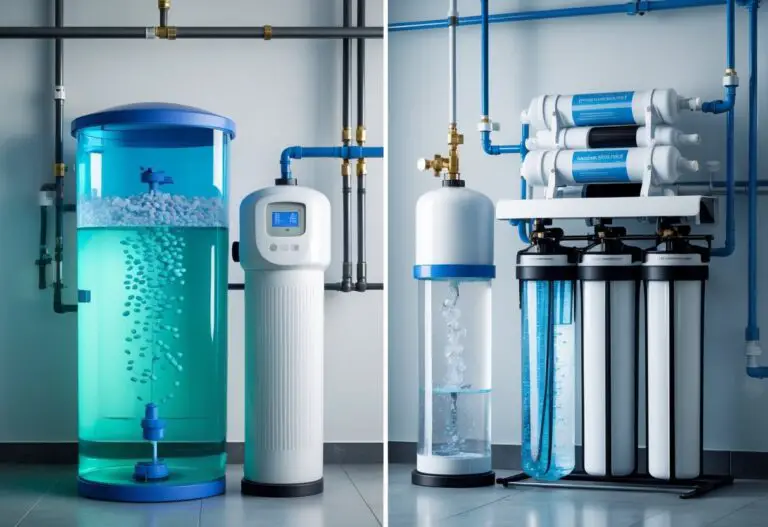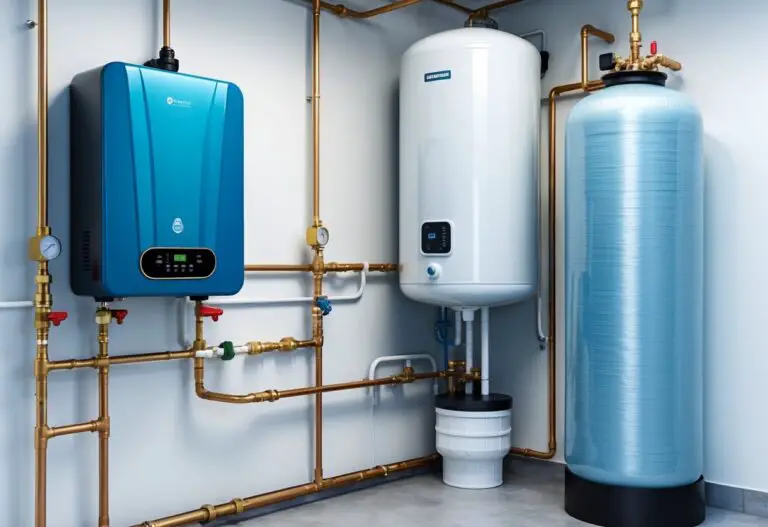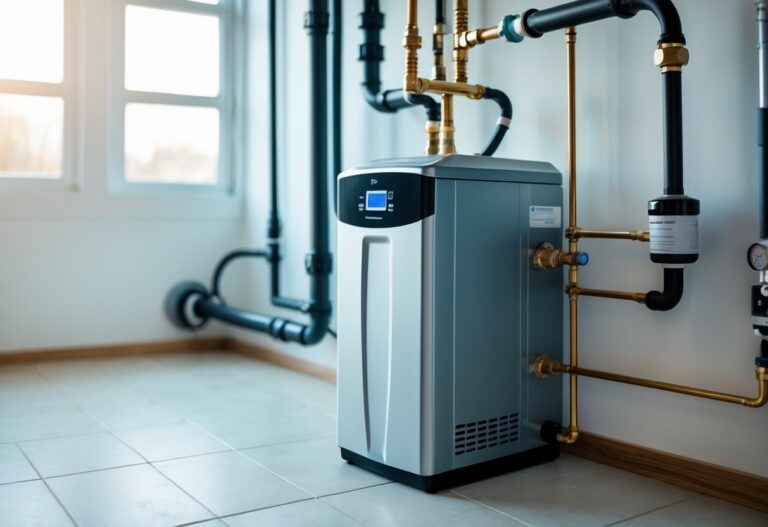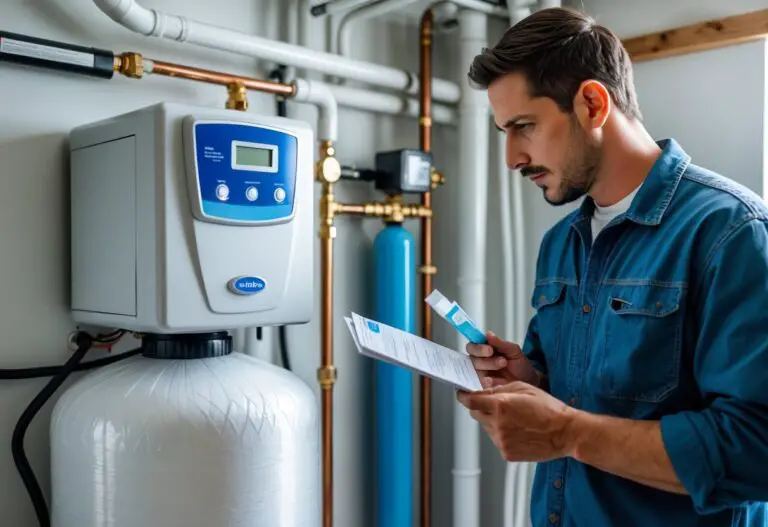

When your water softener stops regenerating, you’ll quickly notice the telltale signs of hard water returning to your home. Spotty dishes, soap scum buildup, and that sticky feeling on your skin all point to one problem: your system isn’t cleaning itself properly.
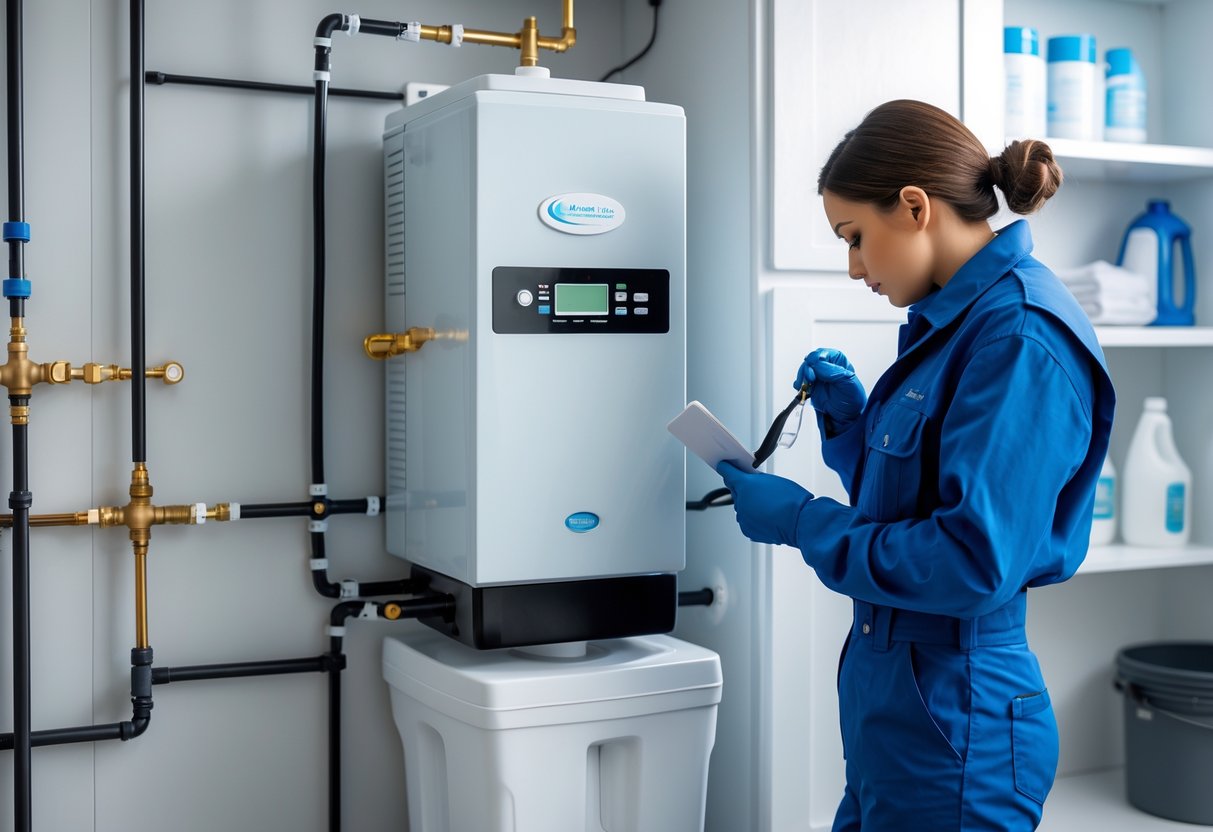
Most water softener regeneration failures stem from three main issues: salt problems in the brine tank, faulty timer or control valve components, or clogged lines preventing proper water flow. The good news is that many of these problems have simple fixes you can handle yourself without calling a repair technician.
Understanding why your water softener won’t regenerate can save you money and get your system back to producing soft water quickly. Let’s explore the most common causes and walk through practical solutions to restore your water softener’s performance.
Key Takeaways
- Salt bridges, low salt levels, or poor salt quality are the most frequent causes of regeneration failure
- Timer malfunctions and clogged drain lines can prevent your system from completing its cleaning cycle
- Regular maintenance with quality salt and periodic cleaning prevents most regeneration problems
Primary Reasons a Water Softener Fails to Regenerate
Water softeners stop regenerating due to four main problems: wrong timer settings that prevent scheduled cycles, salt tank issues that block brine creation, dirty resin beds that can’t process properly, and electrical problems that shut down the system.
Incorrect Timer or Regeneration Settings
Your water softener relies on proper timer settings to start each regeneration cycle. When these settings are wrong, the system won’t regenerate on schedule.
Common timer problems include:
- Timer stuck or frozen in one position
- Wrong regeneration frequency programmed
- Incorrect hardness level settings
- Power outages that reset the timer
Check your control panel display first. Look for flashing lights or error codes that show timer issues.
Most water softeners let you manually start a regeneration cycle. Try this to test if the timer is the problem. If manual regeneration works but automatic cycles don’t, your timer needs repair or replacement.
Power surges can mess up your settings. After storms or outages, double-check that your timer shows the right time and regeneration schedule. Wrong hardness settings also cause problems – if set too low, your system won’t regenerate enough.
Salt Level and Brine Tank Issues
The brine tank creates the salt solution needed for regeneration. Problems here stop the whole process.
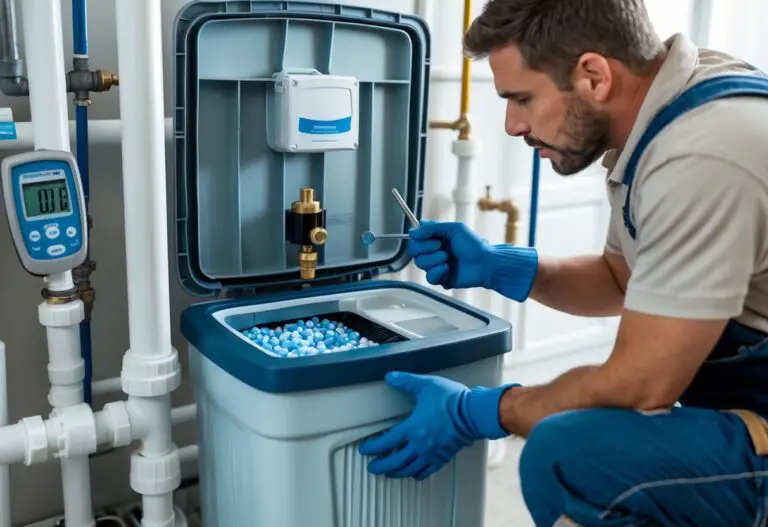
Salt bridges form when humidity creates a hard crust over the water. This prevents salt from dissolving properly. You can break small bridges with a broom handle, but be gentle.
Low salt levels mean weak brine that can’t clean the resin bed. Keep salt levels 2-3 inches above the water line. Use high-quality evaporated or solar salt – cheap salt causes more problems.
Mushy salt at the tank bottom clogs the system. This happens from:
- Too much humidity
- Low-grade salt
- Overfilling the tank
If you see mushy salt, empty the tank completely. Clean it out and refill with fresh, quality salt.
Water level problems also cause issues. Too much or too little water in the brine tank prevents proper brine mixing. Check your owner’s manual for correct water levels.
Clogged or Dirty Resin Bed
The resin bed removes hard minerals from your water. When it gets clogged or dirty, regeneration can’t work properly.
Resin bed problems include:
- Iron buildup that coats the resin beads
- Sediment and debris blocking water flow
- Old resin that’s lost its cleaning power
- Wrong water flow during regeneration
Iron fouling is common with well water. Iron sticks to resin beads and blocks their ability to remove hardness. You might need special iron-removing salt or professional cleaning.
Sediment from your water supply can clog the resin bed over time. This reduces water flow during the regeneration process.
Old resin beads lose their effectiveness after 10-15 years. They can’t hold onto minerals properly anymore. Professional replacement is usually needed for worn-out resin.
If your water is still hard after regeneration, the resin bed likely needs attention. This often requires professional service to clean or replace properly.
Power Supply and Electrical Problems
Your water softener needs steady electrical power to run regeneration cycles. Power problems stop the whole system.
Common electrical issues:
- Blown fuses or tripped breakers
- Loose electrical connections
- Faulty control valve motor
- Damaged power cords
Check your home’s electrical panel first. Look for tripped breakers that control your water softener. Reset any tripped breakers and see if this fixes the problem.
Motor problems prevent the control valve from moving through regeneration steps. You should hear motor sounds during cycles. No sounds often mean motor failure.
Loose connections at the control head can stop power flow. Turn off power before checking any connections. Look for corroded or loose wires.
Power surges can damage electronic controls. Consider a surge protector if you have frequent electrical problems. Some water softeners have internal fuses that blow during surges – these may need professional replacement.
Mechanical and System Component Failures
When your water softener stops regenerating, the problem often lies within key mechanical parts that control the regeneration process. Control valves can malfunction and disrupt the entire cycle, drain lines may become blocked or damaged, and bypass valves might not be positioned correctly.
Malfunctioning Control Valve
The control valve acts as the brain of your water softener system. It directs water flow through different stages of the regeneration cycle.
Common control valve problems include:
- Stuck or worn internal parts
- Motor failure that prevents valve movement
- Broken gears inside the valve housing
- Electrical connection issues
You can test your control valve by listening for motor sounds during scheduled regeneration. A working valve makes humming or clicking noises as it moves through cycles.
Signs of control valve failure:
- No sounds during regeneration time
- Water softener stuck in one position
- Regeneration starts but never finishes
- Hard water even with proper salt levels
Most control valve repairs require professional help. The internal parts are complex and need specific tools to fix properly.
Blocked or Faulty Drain Line
Your drain line carries away mineral-rich water during regeneration. When this line gets blocked, the regeneration process cannot complete.
Check your drain line for these issues:
- Kinks or bends that block water flow
- Clogs from debris or mineral buildup
- Improper positioning or height
- Frozen lines in cold weather
The drain line should have a clear path to your drain or sump pit. Look for standing water around the line, which signals a blockage.
Quick drain line fixes:
- Straighten any kinks in the tubing
- Clear visible clogs with a wire or snake
- Check that the line end sits above the drain opening
- Ensure the line slopes downward toward the drain
If water backs up during regeneration, your drain line likely needs attention.
Bypass Valve Issues
The bypass valve controls whether water flows through your water softener system or around it. When set incorrectly, it can stop regeneration completely.
Bypass valve positions:
- Service position: Water flows through the softener
- Bypass position: Water skips the softener entirely
Check that your bypass valve sits in the service position. Some valves use push-pull handles, while others twist or turn.
Bypass valve problems:
- Valve stuck between positions
- Worn seals that allow water to leak past
- Broken handle or connection points
- Incorrect installation
You might have bypass valve issues if you get hard water even with a full salt tank and working timer. The valve may not be directing water through the resin bed properly.
Most bypass valve fixes involve cleaning or replacing worn parts. Simple position adjustments you can do yourself.
Water Conditions and Usage Factors
Your water softener’s regeneration cycle depends heavily on the specific conditions in your home and how much water you use. Changes in water usage patterns, pressure problems, and declining water quality can all prevent your system from regenerating properly.
Increased Water Usage or Hardness
Higher water usage forces your resin beads to work harder. When you use more water than usual, the beads fill up with hard water minerals faster.
Your system might not regenerate often enough to keep up. Most water softeners are programmed for average household usage. A sudden increase can overwhelm the system.
Common causes of increased usage:
- Guests staying at your home
- New appliances like dishwashers
- Swimming pool filling
- Lawn watering systems
Water hardness levels can also change seasonally. Your municipal water supply may become harder during certain times of year. Well water hardness often increases during dry periods.
You need to adjust your regeneration schedule when usage or hardness increases. Check your system settings and increase the frequency if needed.
Low or High Water Pressure
Water pressure problems stop your softener from drawing brine properly during regeneration. Your system needs adequate pressure to move water and salt solution through the resin tank.
Low water pressure (below 20 psi) prevents effective brine draw. The system cannot pull enough salt water into the resin bed. Regeneration becomes incomplete or fails entirely.
High water pressure (above 80 psi) can damage internal components. It may cause control valve problems or damage the resin injector.
Use a water pressure gauge at your softener’s inlet to check pressure levels. Most systems work best between 25-75 psi.
Low pressure often comes from well pump issues or municipal water problems. High pressure requires a pressure reducing valve installation.
Water Quality and Resin Bead Health
Poor water quality damages resin beads over time. Chlorine, iron, and other chemicals break down the resin material. Damaged beads cannot hold hard water minerals effectively.
Signs of resin bead problems:
- Hard water returning quickly after regeneration
- Yellow or brown water during regeneration
- Resin beads in your household water
- Musty smell from the softener
Iron in your water creates a coating on resin beads. This coating prevents the beads from releasing hard water minerals during regeneration. The regeneration cycle continues but becomes ineffective.
Chlorine slowly breaks down resin material. City water with high chlorine levels shortens resin life significantly. Most resin beds last 10-15 years with normal water quality.
You may need professional resin replacement if your beads are severely damaged. A carbon pre-filter can protect resin from chlorine damage.
Maintenance Tips and Preventive Solutions
Regular maintenance keeps your water softener working properly and prevents most regeneration problems. Simple cleaning tasks and salt checks can save you from expensive repairs later.
Routine System Checks and Cleaning
Check your water softener monthly to catch problems early. Look for salt bridges by gently pushing a broom handle into the salt. If it hits a hard layer above water, break it up carefully.
Test the water hardness every few months using test strips. Hard water means your system needs attention. Clean the brine tank twice a year by emptying it completely and scrubbing away buildup.
Inspect the drain line for kinks or clogs. Water must flow freely during regeneration cycles. Listen for unusual noises during regeneration – grinding or clicking sounds signal potential problems.
Monthly checklist:
- Check salt levels
- Test for salt bridges
- Listen to regeneration sounds
- Inspect drain connections
Salt and Brine Tank Maintenance
Use only high-quality evaporated or solar salt in your water softener. Cheap rock salt creates more problems and clogs your system faster.
Keep salt levels 3-4 inches above the water line in your brine tank. Too little salt means weak regeneration. Too much salt can cause bridging and waste money.
Clean out mushy salt immediately if you find it. This sludgy material blocks proper water flow and ruins regeneration cycles. Empty the entire tank and refill with fresh salt.
Replace old salt every 6-12 months even if it looks fine. Salt absorbs moisture and loses effectiveness over time.
Salt maintenance tips:
- Store salt in dry areas
- Check expiration dates
- Break up clumps before adding
- Keep tank 2/3 full maximum
When to Call a Professional
Contact a technician if your resin bed needs replacement after 10-15 years. This job requires special tools and knowledge about your specific water softener model.
Call for help when control valve problems persist after basic fixes. Complex internal parts need expert diagnosis and proper replacement parts.
Get professional service if warranty coverage applies to your repairs. DIY fixes might void your protection and cost more money later.
Schedule annual professional inspections for older systems. Technicians spot problems you might miss and keep your water softener running efficiently.