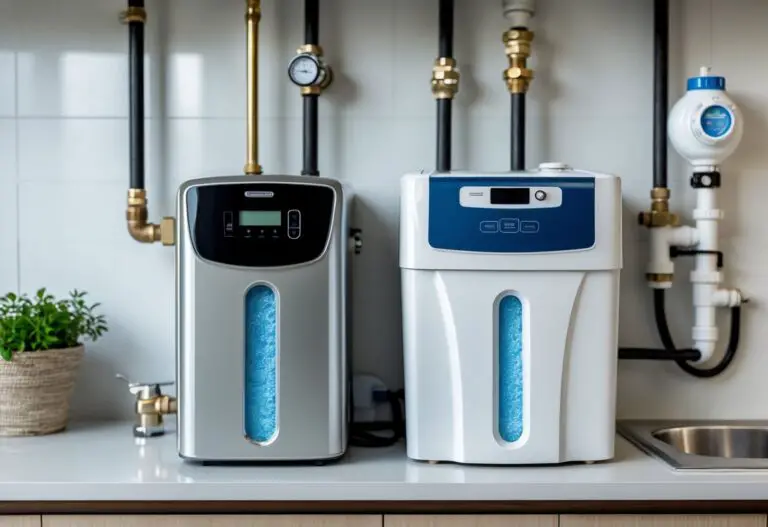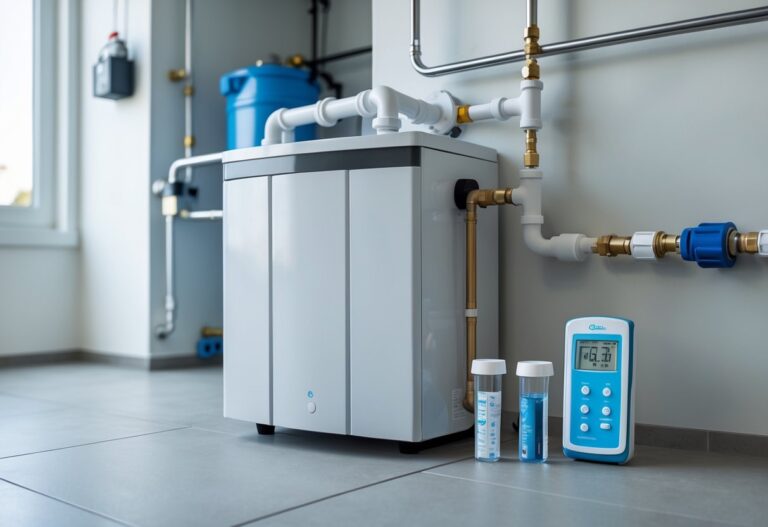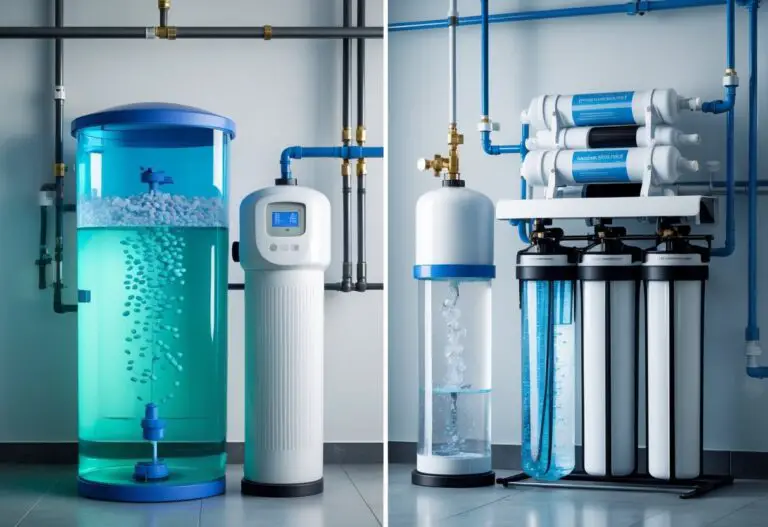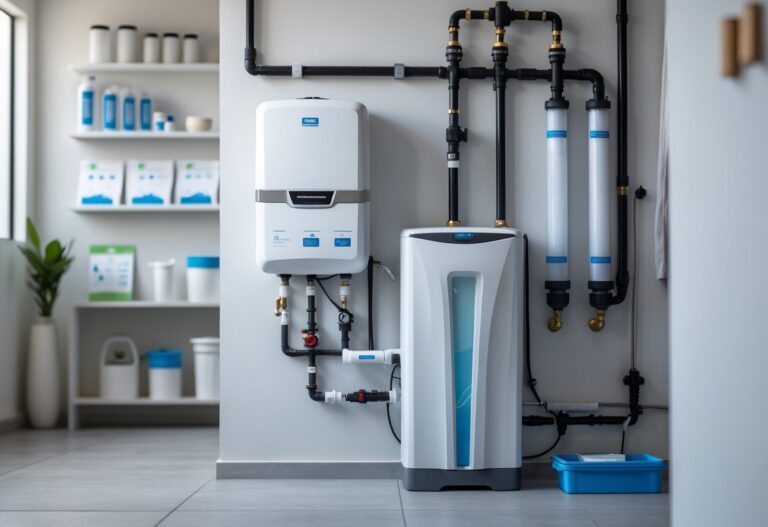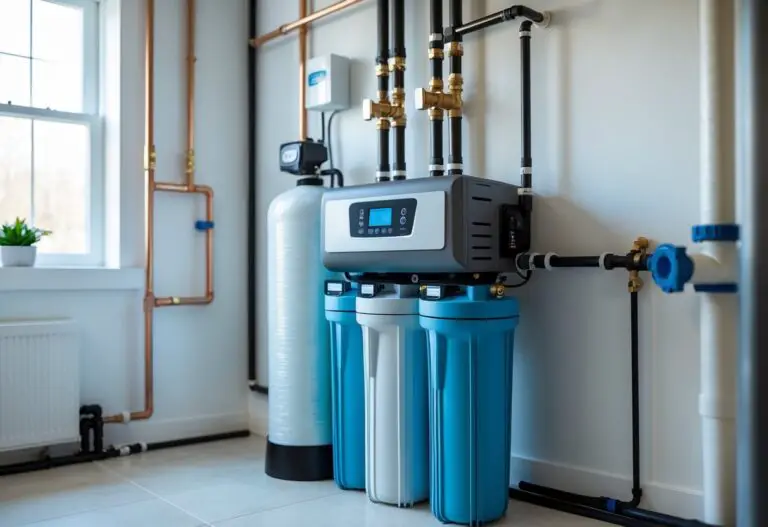

Your water softener should turn hard water into soft water, but sometimes it stops working the way it should. Hard water stains on dishes, soap that won’t lather, and mineral buildup on faucets are clear signs your system isn’t doing its job.
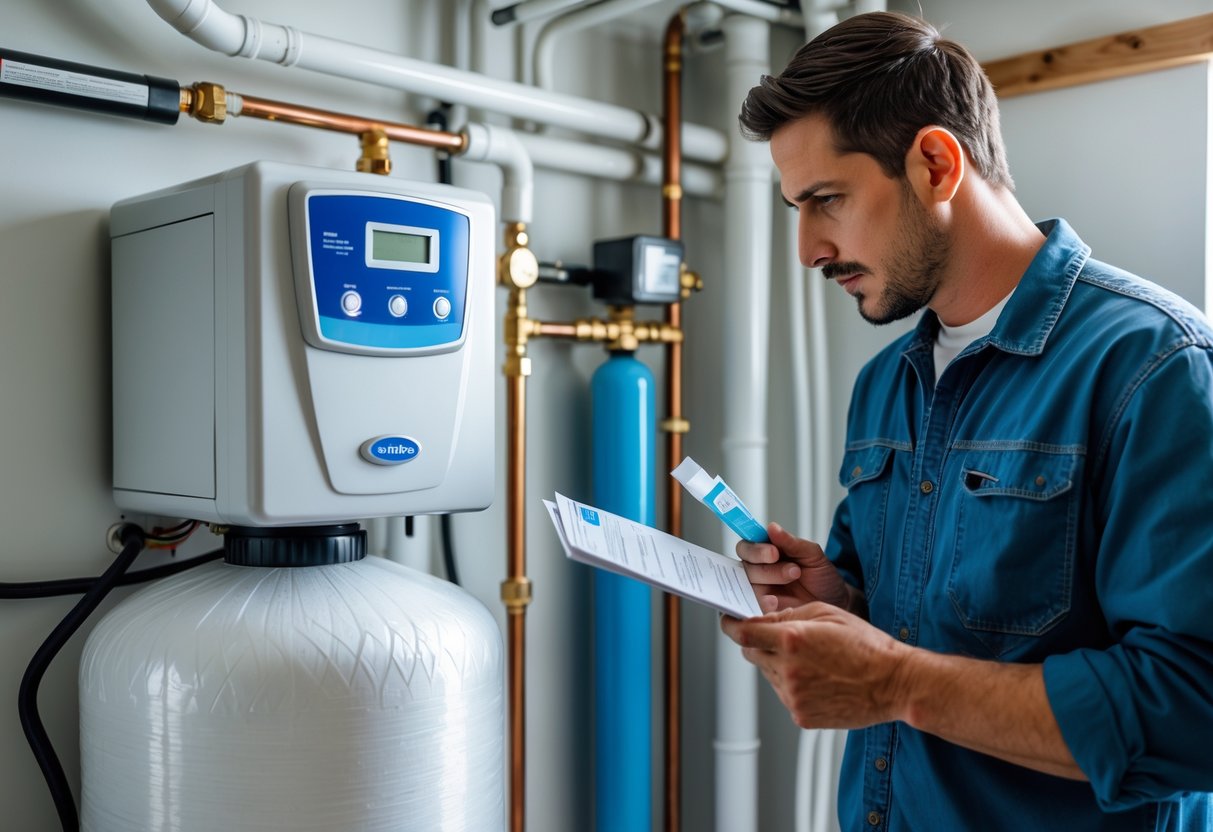
The most common reasons your water softener isn’t making soft water include wrong settings, low salt levels, clogged resin tanks, or problems with the control valve. These issues can happen to any water softener, but the good news is that most problems are easy to fix yourself.
Understanding why your water softener fails helps you get back to enjoying the benefits of soft water. From simple salt refills to cleaning dirty parts, most fixes don’t require calling a repair person or buying a new system.
Key Takeaways
- Most water softener problems come from incorrect settings, low salt, or dirty resin tanks that you can fix yourself
- Regular maintenance like checking salt levels and cleaning the system prevents most softening issues
- Water pressure problems and control valve malfunctions can also stop your softener from working properly
Top Reasons Your Water Softener Is Not Making Soft Water
When your water softener stops producing soft water, the problem usually comes from four main areas: salt issues like low levels or salt bridges, damaged resin beads that can’t remove minerals, broken brine tank parts or valves, and blocked components that prevent proper water flow.
Insufficient Salt Level or Salt Bridges
Your water softener needs enough salt to work properly. Low salt levels mean the system can’t clean the resin beads during regeneration.
Check your brine tank monthly. The salt should be at least one-third full. If you see the bottom of the tank, add more salt right away.
Salt bridges are hard crusts that form above the water in your brine tank. They create a barrier between the salt and water below.
To check for salt bridges, gently push a broom handle into the salt. If it breaks through a hard layer, you found a salt bridge.
How to fix salt bridges:
- Break up the crust with a long tool
- Remove the broken pieces
- Add fresh salt to the tank
- Run a manual regeneration cycle
Salt bridges often happen when you use too much salt or the wrong type of salt.
Resin Bed or Beads Problems
The resin bed contains tiny beads that swap hard minerals for sodium. Over time, these resin beads wear out or get coated with buildup.
Signs of resin bed problems:
- Water stays hard even with enough salt
- Yellow or brown water from faucets
- Small beads in your water
Iron and other minerals can coat the resin beads. This stops them from working properly. The beads can also break down after many years of use.
Cleaning the resin bed helps remove buildup. You can use resin cleaner products made for water softeners.
If cleaning doesn’t work, you may need new resin beads. Most resin beds last 10 to 15 years with proper care.
Brine Tank or Valve Malfunctions
The brine tank and valve control how salt water moves through your system. When these parts break, your water softener can’t regenerate properly.
Common brine valve problems:
- Valve won’t open or close
- Water doesn’t flow to the resin tank
- Regeneration cycle doesn’t start
Check if water is flowing during regeneration. You should hear water moving and see the valve position change.
The brine tank float can also stick or break. This controls how much water enters the tank. Too much or too little water stops the salt from dissolving.
Clean the brine valve and float regularly. Remove any salt buildup or debris you find.
Blocked or Clogged Water Softener Components
Sediment and mineral buildup can block pipes, screens, and other parts inside your water softener. This stops water from flowing properly.
Areas that commonly get blocked:
- Inlet and outlet pipes
- Control valve screens
- Injector assembly
- Drain line
Hard water minerals stick to surfaces over time. This creates clogs that reduce water flow and pressure.
Clean the control valve screen every few months. Remove any debris or mineral deposits you see.
Check your drain line for clogs. A blocked drain line prevents wastewater from leaving during regeneration.
If you have very hard water, clogs happen more often. You may need to clean components more frequently to keep your system working.
Troubleshooting The Regeneration Cycle and Control Settings
Problems with regeneration cycle scheduling and control settings prevent your water softener from producing soft water properly. These issues often stem from incorrect timer programming, faulty control valve components, or problems with both manual and automatic regeneration functions.
Incorrect Regeneration Cycle Scheduling
Your water softener relies on proper scheduling to start regeneration cycles when needed. Wrong settings mean your system won’t clean itself often enough to handle your home’s water demand.
Check your control panel for the current hardness setting. If set too low, your system won’t regenerate frequently enough. Most homes need settings between 10-20 grains per gallon.
Common scheduling problems include:
- Regeneration frequency set too low for water usage
- Wrong hardness level programmed into the system
- Timer reset after power outages
- Incorrect water capacity settings
Test your actual water hardness with test strips. Compare this number to your programmed settings. Adjust the hardness setting higher if your strips show harder water than programmed.
Power outages reset many timer systems to default settings. After storms or electrical problems, verify your timer shows the correct time and regeneration schedule.
Control Valve and Timer Failures
The control valve directs water flow through each stage of the regeneration cycle. When this component fails, your system cannot complete proper brine production and resin cleaning.
Listen for motor sounds during scheduled regeneration times. Working control valves make humming or clicking noises as they move through different positions.
Signs of control valve problems:
- No motor sounds during regeneration
- Regeneration starts but never finishes
- System stuck in one position
- Hard water with proper salt levels
Timer malfunctions prevent regeneration cycles from starting on schedule. Digital timers may show error codes or flashing displays when failing.
Check for loose electrical connections at the control head. Turn off power first, then look for corroded or disconnected wires. Tight connections ensure proper timer operation.
Most control valve repairs need professional service due to complex internal components.
Issues With Manual and Automatic Regeneration
Manual regeneration helps test whether your control system works properly. If manual cycles produce soft water but automatic ones don’t, your timer needs attention.
Find the manual regeneration button on your control panel. Press and hold according to your manual’s instructions. Listen for motor activation and water flow sounds.
Manual regeneration troubleshooting:
- Manual works but automatic fails = timer problem
- Neither manual nor automatic works = control valve issue
- Cycle starts but stops midway = electrical or mechanical failure
Automatic regeneration depends on proper control settings and water usage calculations. Your system tracks water flow to determine when regeneration becomes necessary.
Check if your regeneration frequency matches your household’s water usage patterns. Increased usage from guests or new appliances may require more frequent cycles.
Some systems use meter-based regeneration that counts water gallons used. Others rely on time-based scheduling every few days. Verify your system type and adjust settings accordingly.
Water Pressure and Flow Issues That Impact Softening
Water pressure problems can prevent your water softener from working properly, even when all other components function correctly. These issues range from low incoming water pressure to internal blockages that restrict water flow through the system.
Low Water Pressure in Your Plumbing
Your home’s water pressure directly affects how well your water softener removes hardness minerals. Most water softeners need at least 20-40 PSI to work effectively.
When water pressure drops below this range, water moves too slowly through the resin bed. This prevents proper contact between hard water minerals and the resin beads that remove them.
Signs of pressure-related softening problems:
- Water still feels hard after treatment
- Soap doesn’t lather well
- White spots on dishes and glassware
- Scale buildup continues on fixtures
Low pressure can come from several sources. Your municipal water supply might have reduced pressure during peak usage times. Old or corroded pipes in your home can also restrict water flow.
Check your water pressure with a simple gauge from a hardware store. Attach it to an outdoor spigot and turn on the water. If the reading is below 20 PSI, contact your water utility or a plumber.
Clogs and Flow Restrictions Within the System
Internal blockages in your water softener create the same problems as low incoming pressure. These clogs prevent water from flowing properly through the softening process.
The most common blockage happens when resin beads break down over time. These tiny pieces can clog internal valves and pipes. Salt bridges in the brine tank also block proper water flow during regeneration cycles.
Common clog locations:
- Pre-filters and sediment screens
- Control valve components
- Resin tank inlet and outlet
- Brine tank connections
Dirty pre-filters are often the easiest fix. Replace or clean these filters every 2-3 months depending on your water quality. Heavy sediment or iron in your water requires more frequent changes.
Inspect your system for visible blockages. Look for salt buildup around valves or crusty deposits on pipes. Break up any salt bridges in the brine tank with a long tool.
If cleaning doesn’t restore proper flow, the resin bed may need replacement. Resin typically lasts 8-10 years before breaking down enough to cause flow problems.
Long-Term Maintenance and Preventive Measures
Your water softener needs ongoing care to produce soft water reliably. Replacing worn resin beads keeps the system effective, while regular cleaning prevents salt buildup that blocks proper operation.
Replacing Old Resin Beads or the Entire Unit
Resin beads in your resin tank lose their effectiveness after 10-15 years of use. These tiny beads remove hard minerals from your water through ion exchange.
Signs your resin needs replacement:
- Hard water returns quickly after regeneration
- Yellow or brown water during cycles
- Resin beads appear in your household water
- Musty smell from the system
Iron and chlorine damage resin beads over time. Well water with high iron content coats the beads and reduces their ability to soften water. City water with heavy chlorine breaks down the resin material.
You can extend resin life by using quality salt pellets and installing a carbon pre-filter. The filter removes chlorine before it reaches your resin tank.
Professional replacement costs $200-500 for resin beads alone. Complete unit replacement makes more sense if your system is over 15 years old or has multiple failing components.
Test your water hardness monthly with test strips. If levels stay high after regeneration with proper salt levels, your resin likely needs attention.
Regular Salt Tank and Brine System Cleaning
Clean your salt tank twice yearly to prevent salt buildup that blocks the brine system. Empty the tank completely and scrub away white residue on the walls.
Monthly salt tank checks:
- Break up salt bridges with a broom handle
- Keep salt 3-4 inches above water line
- Remove mushy salt at the bottom
- Check for proper water levels
The venturi system draws brine into your resin tank during regeneration. Salt buildup can clog this critical component. Clean the venturi annually by removing it from the control valve and flushing with water.
Use only high-quality evaporated or solar salt pellets. Cheap rock salt leaves more residue and creates bridging problems. Replace old salt every 6-12 months even if it looks fine.
Store extra salt pellets in a dry location to prevent clumping. Moisture makes salt stick together and reduces its effectiveness in your water treatment system.
Adjusting for High Water Usage or Changing Water Hardness
Your regeneration schedule must match your household’s water usage and hardness levels. Standard settings work for average families but need adjustment for changing conditions.
When to increase regeneration frequency:
- House guests using more water
- New appliances like dishwashers
- Seasonal hardness changes
- Well pump delivering harder water
Most water treatment systems let you adjust both timing and hardness settings. Increase regeneration cycles when your usage goes up by 25% or more.
Test your water hardness every few months with test strips. Municipal water supplies can change seasonally. Well water often becomes harder during dry periods when mineral concentrations increase.
Your salt tank will empty faster with more frequent cycles. Monitor salt levels weekly during high-usage periods to avoid running out.
Consider upgrading to a larger capacity system if your family grows permanently. An undersized unit will struggle to keep up even with proper maintenance and frequent regeneration.