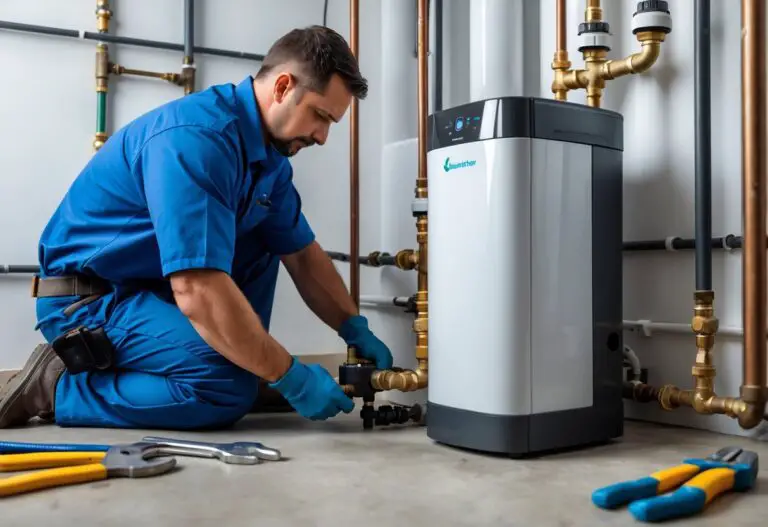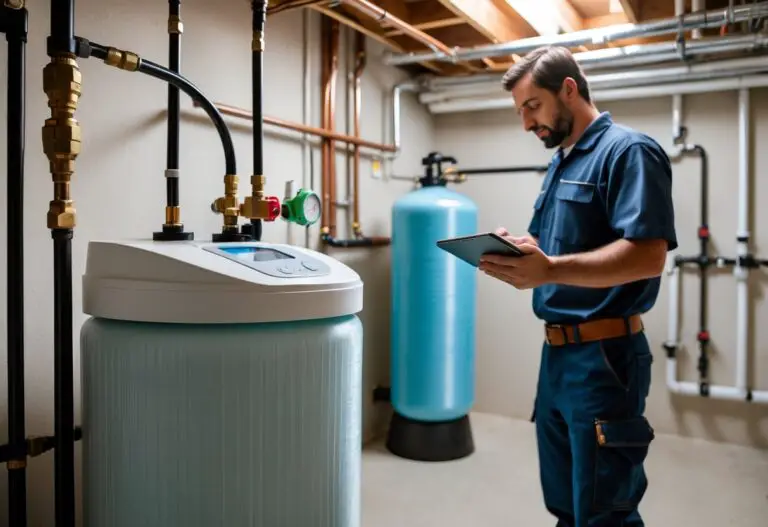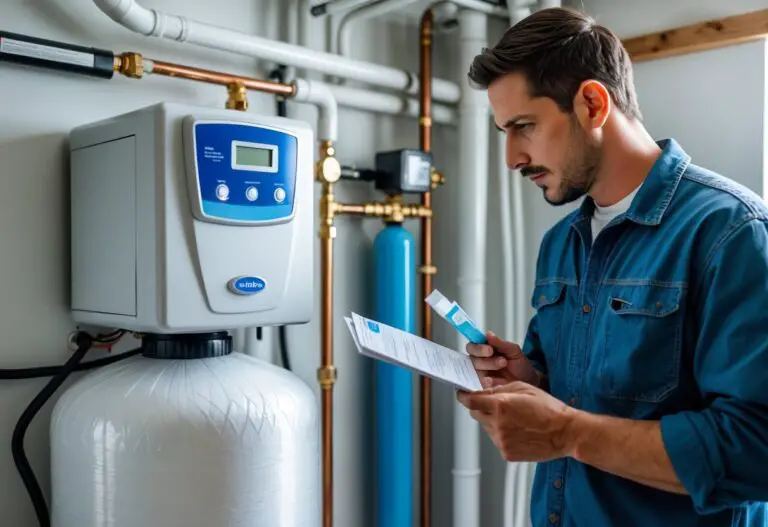

Your water softener keeps you comfortable with soft water, but when it starts making loud noises, it can leave you wondering what’s wrong. Most loud water softener noises come from normal regeneration cycles, trapped air in the system, loose parts, or high water pressure issues. While some sounds are completely normal during operation, others signal problems that need your attention.

Don’t panic when your water softener gets noisy. Many common causes have simple fixes you can handle yourself. From checking for loose fittings to breaking up salt bridges in your brine tank, most noise problems can be solved without calling a repair technician.
Understanding what different sounds mean helps you decide when to take action and when to relax. Some noises indicate your system is working properly, while others warn of potential damage that could leave you without soft water.
Key Takeaways
- Water softener noises often come from normal operation, loose parts, air bubbles, or high water pressure
- Different sounds like gurgling, banging, or humming point to specific problems you can identify and fix
- Most noise issues can be resolved through simple maintenance like tightening fittings or cleaning components
Common Reasons Your Water Softener Makes Loud Noises
Water softener noise can stem from normal operations like the regeneration cycle or indicate problems with valves, pressure issues, or worn components. Understanding when sounds are normal versus concerning helps you determine if your system needs attention.
Normal Versus Unusual Water Softener Noises
Normal water softener sounds include gentle humming from the motor and rushing water during regeneration. These noises happen during the fill, backwash, and rinse stages.
You might hear clicking as the control valve switches between cycles. Light gurgling sounds are also typical when water moves through the brine tank.
Unusual noises that need attention include loud banging, grinding, or squealing sounds. These often signal worn parts or system problems.
Grinding noises usually mean valve seals are damaged. Loud rattling suggests loose components or high water pressure issues.
| Normal Sounds | Problem Sounds |
|---|---|
| Gentle humming | Loud banging |
| Water rushing | Grinding noise |
| Light clicking | Squealing |
| Soft gurgling | Heavy rattling |
Problems With the Regeneration Cycle
The regeneration cycle can create excessive noise when air gets trapped in the resin tank. This causes loud gurgling or banging sounds during backwash and rinse phases.
Salt bridges in the brine tank make regeneration harder. The system works overtime, creating more noise than normal.
Clogged drain lines cause water to back up during regeneration. This creates unusual gurgling and makes the cycle take longer.
Sediment buildup in the resin bed restricts water flow. Your water softener making noise during regeneration often points to this problem.
Manual regeneration can help remove trapped air. Break up salt bridges with a broom handle to restore normal operation.
Issues With Valves and Control Components
The control valve manages water flow through your system. Worn valve seals create grinding or squealing noises as they move against rough surfaces.
Loose bypass valve connections cause rattling sounds. Check that all valve fittings are tight and secure.
Motor problems show up as humming or grinding sounds. An aging motor struggles to move the control valve through its cycles.
Timer issues create excessive clicking or buzzing noises. A worn timer might stick or misalign during operation.
Internal valve parts can collect mineral deposits. Hard water buildup makes valves work harder and creates more noise.
Regular valve maintenance prevents most noise problems. Clean mineral deposits and replace worn seals as needed.
Impact of Water Pressure on Noise Levels
High water pressure above 80 psi makes your water softener vibrate and rumble. Excessive pressure stresses all system components.
Install a pressure-reducing valve if your home pressure is too high. This protects your entire plumbing system from damage.
Low water pressure can also cause problems. The system may struggle to complete regeneration cycles properly.
Water hammer from pressure changes creates loud banging noises. This happens when valves close quickly during cycle changes.
Check your water pressure with a gauge at an outdoor faucet. Normal pressure should stay between 40-60 psi.
Pressure problems affect soft water quality too. Your system needs proper pressure to work efficiently and quietly.
Specific Loud Water Softener Sounds and Their Causes
Different types of loud noises point to specific problems within your water softener system. Water hammer indicates pressure issues, while grinding sounds suggest motor or gear problems, and hissing points to flow restrictions.
Banging and Water Hammer Noises
Water hammer creates loud banging sounds when water flow stops suddenly in your pipes. This happens when valves close too quickly during the regeneration cycle.
Your brine line can cause banging if it refills the tank too fast. The sudden rush of water creates pressure waves that make pipes shake and bang.
Common causes of banging include:
- High water pressure in your home
- Fast-closing valves during regeneration
- Air trapped in the resin tank
- Loose mounting brackets
A water hammer arrestor can fix this problem. This device absorbs pressure waves before they create banging sounds. You can install it on the main water line near your softener.
Check if banging only happens during regeneration or at other times. Banging during regeneration means your system refills too quickly. Random banging suggests a broader plumbing pressure problem.
Grinding or Clicking From Motors and Gears
Your water softener has a drive motor that controls the regeneration process. When this motor struggles or fails, it makes grinding or loud clicking sounds.
A timer motor controls when regeneration starts. Normal clicking during regeneration is fine. But constant or very loud clicking means the motor is working too hard.
Signs of motor problems:
- Grinding sounds during regeneration
- Clicking that never stops
- The system gets stuck in one cycle
- Error codes on the display
Broken gears inside the valve head cause grinding noises. These plastic gears wear out over time. When they break, the motor can’t move the valve properly.
A failing motor makes loud humming or buzzing sounds. It may struggle to complete regeneration cycles. This often happens after 10-15 years of use.
Worn valves can also cause clicking. The valve seals get rough over time. This makes the motor work harder to move between positions.
Hissing and Gurgling During Operation
Hissing sounds mean water is trying to flow through a restricted area. This usually happens at valves or connections in your system.
Worn valves often cause hissing when water squeezes through damaged seals. The rough surfaces create turbulence as water passes through.
Your brine line can hiss if it gets clogged with salt or debris. This creates a narrow opening that makes water whistle as it flows.
Common hissing causes:
- Partially closed bypass valve
- Mineral buildup in valve seats
- Damaged O-rings or seals
- Clogged injector screen
Gurgling usually comes from air in the resin tank or brine tank. This happens when water levels change during regeneration.
Check your inlet and outlet valves first. Make sure they are fully open. If hissing continues, the problem is likely inside the valve head where seals have worn out.
Normal gurgling during regeneration is fine. But constant gurgling means air is getting into your system where it should not be.
Troubleshooting and Fixing Water Softener Noise Issues
Most water softener noise problems come from high water pressure, loose parts, salt bridges, or sediment buildup. You can fix many of these issues yourself with basic tools and simple steps.
Checking and Adjusting Water Pressure
High water pressure is one of the most common causes of water softener noise. Your system can vibrate and make loud sounds when pressure exceeds normal levels.
Check your home’s water pressure first. Normal pressure should be between 40-60 psi. Anything above 80 psi can damage your water softener and create noise problems.
You can test water pressure with a simple gauge that screws onto an outdoor spigot. Turn off all water in your home for accurate readings.
If pressure is too high, install a pressure regulator near your main water line. This device controls water flow and protects your entire plumbing system.
Signs of high water pressure:
- Loud banging or vibrating sounds
- Water hammer in pipes
- Shortened appliance life
- High water bills
A pressure regulator costs $50-150 and can stop most noise issues caused by excessive pressure. Many homeowners can install basic models themselves.
Identifying and Repairing Mechanical Problems
Loose parts create rattling and banging sounds in water softeners. Check these components first when troubleshooting noise issues.
Inspect the brine tank lid. Make sure it sits firmly in place. A loose lid vibrates during operation and creates unnecessary noise.
Check all brackets and screws. Water softener vibrations can loosen mounting hardware over time. Tighten everything with a wrench or screwdriver.
Examine the bypass valve. This component should be secure and properly positioned. Loose valves rattle as water flows through the system.
Look for damaged resin tanks or loose fittings. The resin tank should sit firmly without movement or shifting.
Air trapped in the resin tank causes gurgling and banging sounds. Run a manual regeneration cycle to flush out air bubbles. This often fixes noise problems immediately.
Motor and timer issues need professional attention. Grinding or excessive humming sounds usually mean worn parts that need replacement.
Addressing Salt Bridges and Sediment Buildup
Salt bridges form when salt hardens into a crust in your brine tank. This prevents proper salt dissolving and strains your system during regeneration cycles.
Check your brine tank monthly for hard salt formations. Break up salt bridges carefully with a broom handle or wooden stick. Never use metal tools that might damage the tank.
Signs of salt bridge problems include hard water returning and loud noises during regeneration. Your system works harder when salt cannot dissolve properly.
Sediment buildup from hardness minerals like calcium and magnesium can clog valves and create rattling sounds. Clean these components regularly.
Flush the resin tank every few months to remove accumulated debris. This prevents sediment from interfering with normal operation.
Clean the brine line and valve if you notice restricted water flow or unusual sounds. Disconnect these parts and rinse thoroughly with clean water.
Replace your sediment filter if your system has one. Dirty filters force your water softener to work harder and create more noise.
When to Call a Professional
Some water softener problems need expert diagnosis and repair. Call a professional when you hear grinding motor sounds or electrical buzzing.
Timer malfunctions require specialized knowledge and replacement parts. These components control regeneration cycles and need proper calibration.
Resin bed replacement is a complex job that most homeowners should avoid. Damaged resin cannot soften water effectively and may need complete replacement.
Contact a technician if basic troubleshooting does not solve your noise problems. Continuing to run a damaged system can cause expensive repairs.
Professional help is needed for:
- Motor replacement
- Electrical problems
- Complex valve repairs
- Complete system diagnosis
Poor installation causes ongoing noise and performance issues. A qualified technician can identify installation problems and make necessary corrections.