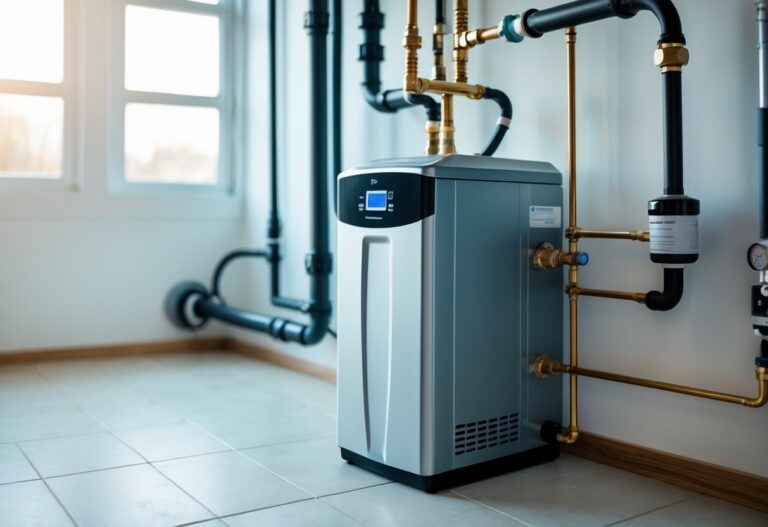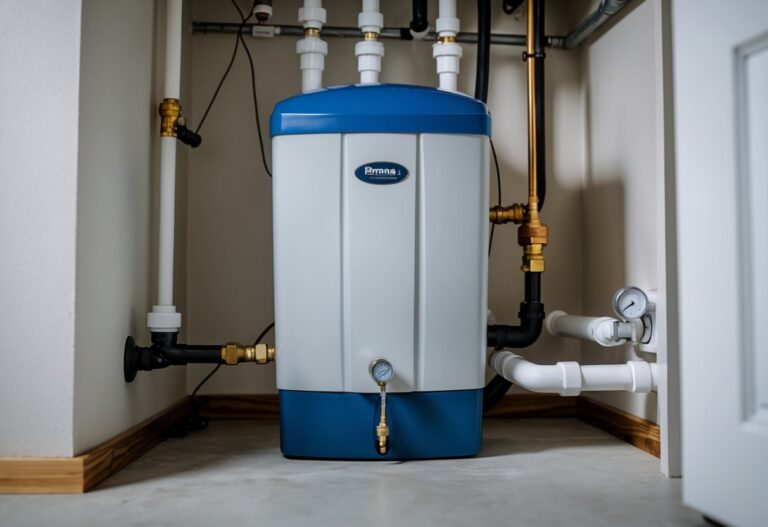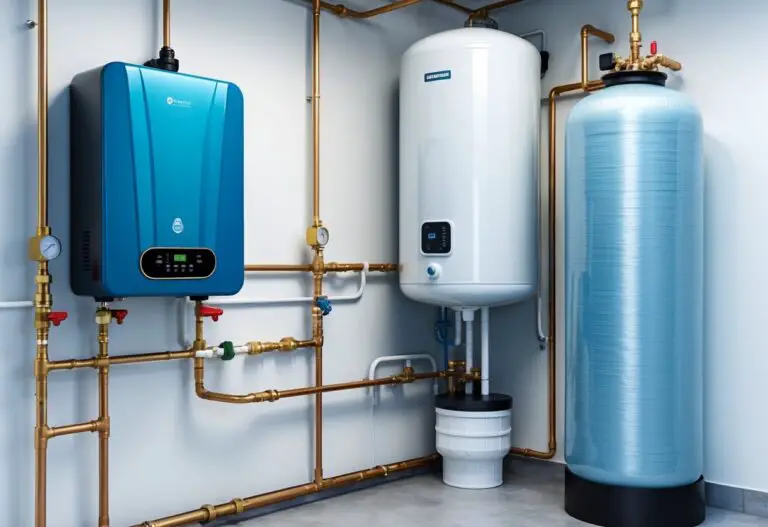

A water softener that won’t stop running is more than just an annoying noise problem—it’s a sign that something has gone wrong with your system’s regeneration cycle. Most continuously running water softeners are stuck in regeneration mode due to faulty timer settings, clogged components, or problems with the brine tank that prevent the cycle from completing properly. The good news is that you can often diagnose and fix these issues yourself without calling a professional.
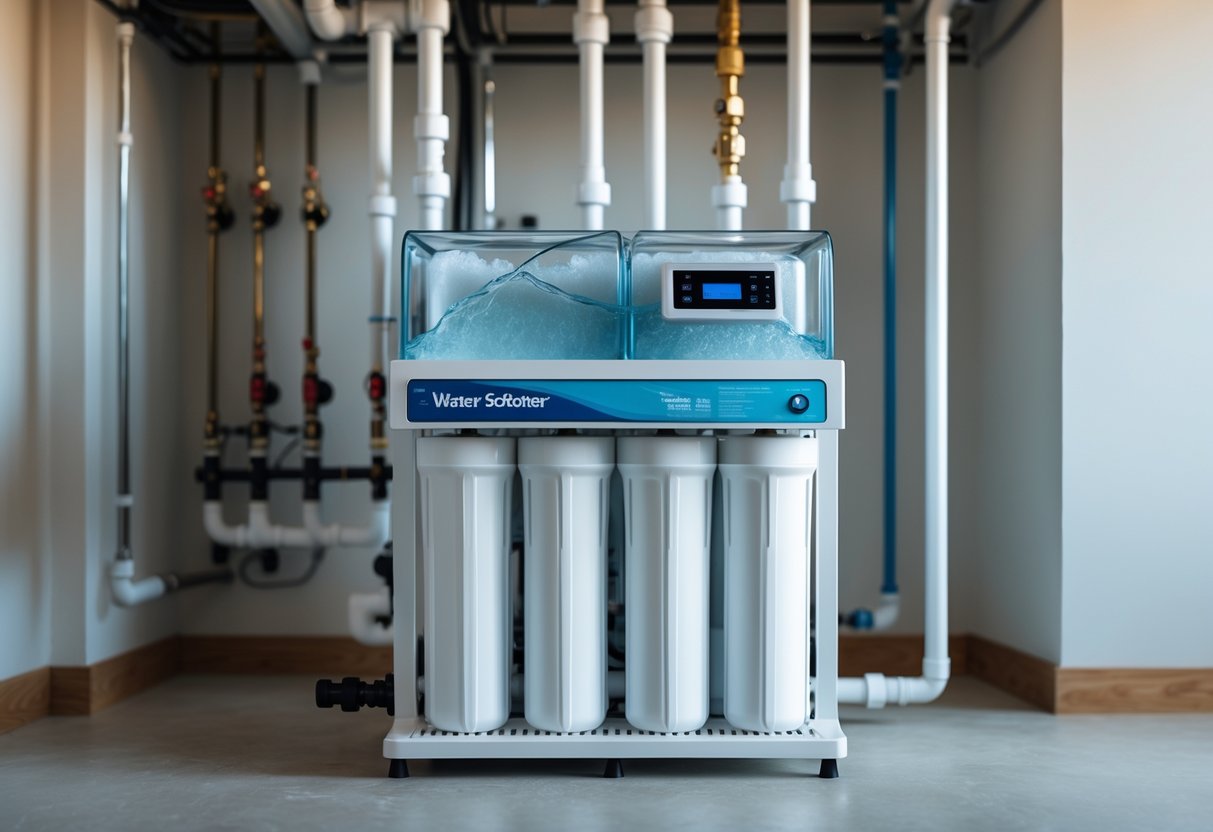
When your water softener runs constantly, it wastes water, drives up your utility bills, and can eventually damage the system. The most common culprits include salt bridges in the brine tank, clogged injector valves, incorrect programming settings, or a faulty control head that can’t detect where it is in the cycle.
Understanding what causes this problem and knowing how to troubleshoot it can save you time and money. With the right approach, you can get your water softener back to its normal quiet operation and prevent future issues from occurring.
Key Takeaways
- Most water softeners run continuously because they’re stuck in regeneration mode due to timer problems, clogs, or brine tank issues
- Simple troubleshooting steps like checking settings, cleaning the float valve, and clearing salt bridges can often solve the problem
- Regular maintenance and proper programming prevent most continuous running issues and extend your system’s lifespan
Why Your Water Softener Won’t Stop Running
Several key issues can cause your water softener to operate continuously instead of cycling normally. Problems with the regeneration process, faulty internal components, incorrect settings, and water pressure issues are the main culprits behind this frustrating problem.
Continuous Regeneration Cycle Causes
Your water softener gets stuck in endless regeneration when internal components fail or become blocked. The system cannot complete its normal cleaning cycle and keeps trying to finish the process.
Salt bridge formation is a common cause. Hard salt crust forms over the water in your brine tank. This prevents proper brine solution from reaching the resin bed during regeneration.
Salt mushing creates another problem. Undissolved salt settles at the tank bottom and clogs the system. Your float valve cannot work properly with this buildup.
A clogged injector valve stops brine from moving to the resin tank. The system keeps running because it cannot draw the saltwater solution it needs.
Blocked drain lines prevent waste water from leaving during regeneration. Kinks or clogs in these lines halt the normal cycling process.
Resin bed fouling occurs when iron or sediment builds up over time. The bed cannot clean itself properly and triggers continuous regeneration attempts.
Stuck or Defective Valves
Faulty valves are major causes of water softeners that won’t stop running. These components control water flow during different cycle phases.
The rotor position switch tells your system where it is in the regeneration cycle. When this switch fails, your water softener cannot move between cycle steps. It gets stuck in one phase and keeps running.
Control valve problems prevent normal operation. Internal seals wear out or debris blocks moving parts. Water continues flowing when it should stop.
Bypass valve issues can cause problems too. A partially open bypass valve confuses the system sensors. Your water softener may think it needs to keep regenerating.
Brine valve malfunctions stop the proper brine draw process. The valve may stick open or closed. This prevents the regeneration cycle from completing normally.
Regular valve maintenance prevents many of these problems. Clean valves work better and last longer than neglected ones.
Incorrect Timer and Control Settings
Wrong timer settings cause your water softener to regenerate too often or get stuck in cycles. Power outages often reset these settings to factory defaults.
Hardness level settings that are too high trigger excessive regeneration. Your system thinks it needs to clean more often than necessary.
Salt dose programming affects cycle length. Too high settings make regeneration take longer. The system may seem like it never stops running.
Regeneration frequency settings control how often cycles occur. Daily regeneration is usually unnecessary for most homes. Every 2-3 days is typical.
Time of day settings should match your household schedule. Most systems regenerate at night when water use is low.
Check your owner’s manual for correct settings. Write down your proper settings after power outages to restore them quickly.
High Water Pressure Issues
Water pressure problems can make your water softener run continuously. Both high and low pressure cause different operational issues.
Excessive water pressure above 80 PSI damages internal seals and valves. Components cannot close properly under high pressure. Water keeps flowing through the system.
Pressure surges from municipal water systems harm sensitive components. Install a pressure reducing valve if your home pressure exceeds recommended levels.
Low water pressure below 40 PSI prevents complete regeneration cycles. The system cannot draw brine effectively or complete backwash phases.
Fluctuating pressure confuses system sensors. Inconsistent pressure makes the control head think regeneration is incomplete.
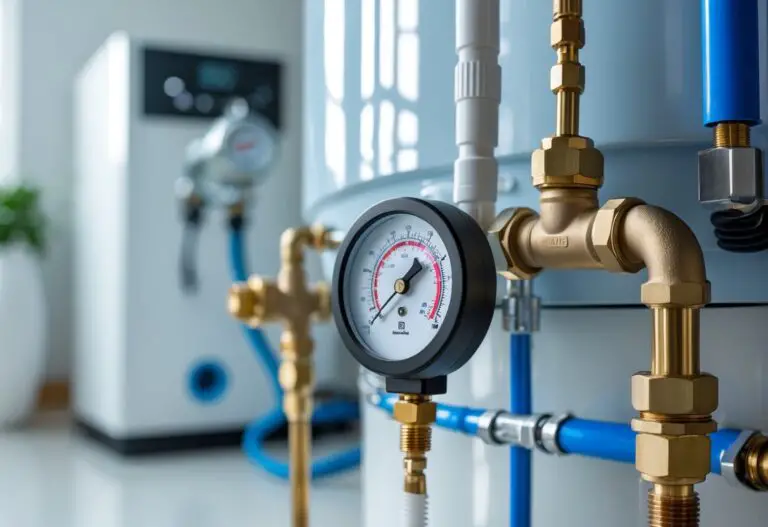
Use a pressure gauge to test your home’s water pressure. Install pressure regulation equipment if needed to maintain steady 40-80 PSI range.
Diagnosing and Troubleshooting the Problem
A water softener that won’t stop running typically indicates issues with the regeneration cycle, power settings, or brine tank problems. The most effective approach involves checking error codes first, examining the brine tank for salt bridges, and reviewing your household’s water usage patterns.
Checking Error Codes and Power Supply
Start by examining your water softener’s display panel for error codes or warning lights. These codes provide specific clues about what’s causing the continuous operation.
Check if the unit has power and the display is functioning normally. A blank or flashing display often means the timer reset after a power outage.
Common error indicators to look for:
- Flashing lights on the control panel
- Numeric error codes in the display
- Blank or dim screen
- Unusual beeping sounds
Press the bypass valve to stop water flow to the system while you troubleshoot. This prevents wasting water and allows safe inspection of components.
Verify that all electrical connections are secure. Loose wiring can cause the control head to malfunction and keep the system stuck in regeneration cycles.
If the display shows normal readings but the unit keeps running, the problem likely lies elsewhere in the system.
Inspecting Brine Tank and Salt Bridge Formation
Open your brine tank and look for a salt bridge – a hard crust that forms over the water surface. This crust prevents proper brine formation during regeneration cycles.
Gently tap the salt with a broom handle or similar tool. If it sounds hollow underneath, you have a salt bridge that needs breaking up.
Steps to fix salt bridge problems:
- Break up the crust carefully with a long tool
- Remove chunks of hardened salt
- Add hot water to dissolve remaining buildup
- Clean the tank walls of salt residue
Check the bottom of the tank for salt mushing – wet, undissolved salt that clogs the system. This sludge prevents the float valve from working correctly.
Remove mushy salt with a wet vacuum or by scooping it out manually. The brine tank should contain mostly dry salt with some water at the bottom.
Inspect the float assembly for salt buildup or debris that might prevent proper operation.
Assessing Water Usage Patterns
Review your household’s recent water usage patterns to determine if increased demand is causing more frequent regeneration cycles. Extra guests, additional laundry loads, or new appliances can trigger excessive cycling.
Check your water bill for unusual spikes in consumption. Hidden leaks from running toilets, dripping faucets, or outdoor spigots can cause constant water draw.
Calculate your typical daily usage:
- Count household members
- Note extra activities (guests, parties, gardening)
- Check for running water anywhere in the home
- Review appliance usage (dishwasher, washing machine)
Walk around your property listening for running water sounds. Even small leaks can keep your softener in continuous operation.
Compare your current usage to previous months. A sudden increase often points to leaks or changes in household routines that affect regeneration cycles.
Consider whether your water softener is properly sized for your home’s needs. An undersized unit will struggle to keep up with normal demand and run constantly.
Solutions for a Continuously Running Water Softener
Most water softener running issues stem from incorrect timer settings, dirty components, or worn-out parts. These problems can waste water and increase your bills if left unfixed.
Adjusting Timer and Regeneration Settings
Check your timer settings first. Many units run constantly because the regeneration cycle is set wrong.
Look at your control panel. Find the regeneration frequency setting. Most homes need regeneration every 2-3 days.
Key timer adjustments:
- Set regeneration time for 2-4 AM when water use is low
- Program frequency based on water hardness and household size
- Reset to factory defaults if settings seem wrong
Your float valve height also matters. If it’s too high, too much water enters the system. This forces continuous operation.
Lower the float valve gradually. Test different levels until the unit cycles properly.
Check if your system size matches your water use. Small units struggle with high demand. They run constantly trying to keep up with your needs.
Cleaning and Maintaining System Components
Salt bridges block proper water flow. These crusty layers form on top of the brine tank water.
Break up salt bridges with a long tool. Remove the pieces by hand. Clean the tank walls too.
Regular cleaning tasks:
- Remove sediment buildup from resin tank
- Clean brine tank monthly
- Check for mineral deposits on valves
- Scrub internal surfaces with soft brush
Sediment clogs passages and confuses sensors. The system thinks water isn’t soft yet. It keeps running trying to fix the problem.
Use a mineral cleaner designed for water softeners. Follow the label directions exactly. Some cleaners can damage your system.
Repairing or Replacing Faulty Parts
The regeneration timer controls when cycles start and stop. A broken timer can’t signal the system to shut off.
Replace faulty timers with exact matches. Check your model number first. Install following manufacturer instructions.
Common parts that need replacement:
- Water entry valve (usually part of the lid)
- Float valve assembly
- Regeneration timer motor
- Worn seals and gaskets
Check all electrical connections. Loose or crossed wires prevent proper signals. Look for burned or melted areas.
Units over 8 years old often need full replacement. Repair costs add up quickly on older systems. New units work more efficiently and save money long-term.
Inspect the brine tank for cracks. Water shouldn’t flood the salt storage area. Replace damaged tanks immediately to prevent further problems.
Preventative Maintenance and Optimization
Regular maintenance prevents most water softener problems before they start. Proper settings based on your actual water usage patterns keep regeneration cycles running smoothly.
Routine Inspection Procedures
Check your water softener monthly to catch issues early. Start by examining the brine tank for salt bridges or mushing at the bottom.
Monthly Tasks:
- Test salt levels and break up any crusted areas
- Clean the brine tank float valve
- Check for water pooling around the unit
- Listen for unusual sounds during regeneration
Inspect the injector valve every three months. Remove it and rinse away any mineral buildup that blocks brine flow.
Quarterly Tasks:
- Clean the resin bed with iron-out cleaner if needed
- Test your home’s water pressure with a gauge
- Check all connections for leaks or loose fittings
High water pressure above 80 PSI can damage internal parts. Install a pressure reducer if readings stay consistently high.
Replace worn seals and O-rings yearly. These small parts prevent internal leaks that cause constant running.
Optimizing Settings for Household Needs
Match your softener settings to actual water usage patterns. Many units come with default settings that don’t fit real homes.
Key Settings to Adjust:
| Setting | How to Optimize |
|---|---|
| Hardness Level | Test your water yearly and update the number |
| Salt Dose | Lower if you use less water than average |
| Regeneration Frequency | Set based on actual daily water use |
Calculate your true daily water usage. Most people use 75-100 gallons per day, not the 150+ that default settings assume.
Set regeneration cycles for low-demand times like 2 AM. This prevents interruptions and ensures complete cycles.
Check your water usage patterns seasonally. Summer lawn watering or winter guests change how often regeneration should happen.
Adjust the backwash time if you have high iron content. Extra minutes help clear more minerals from the resin bed.