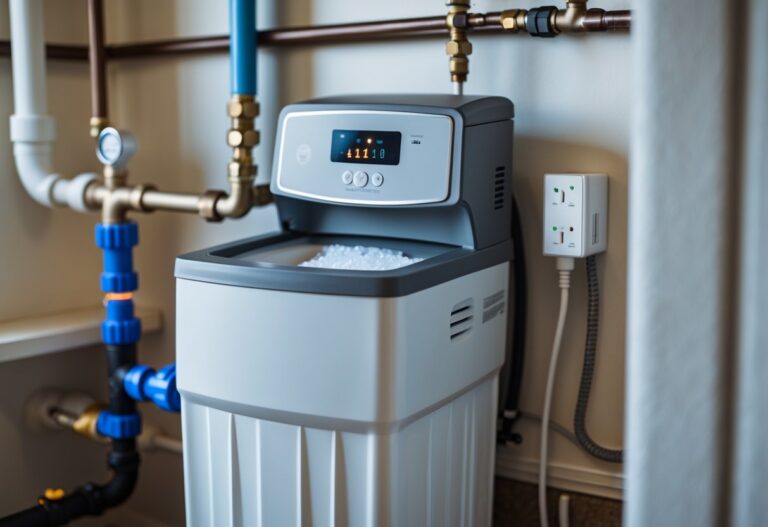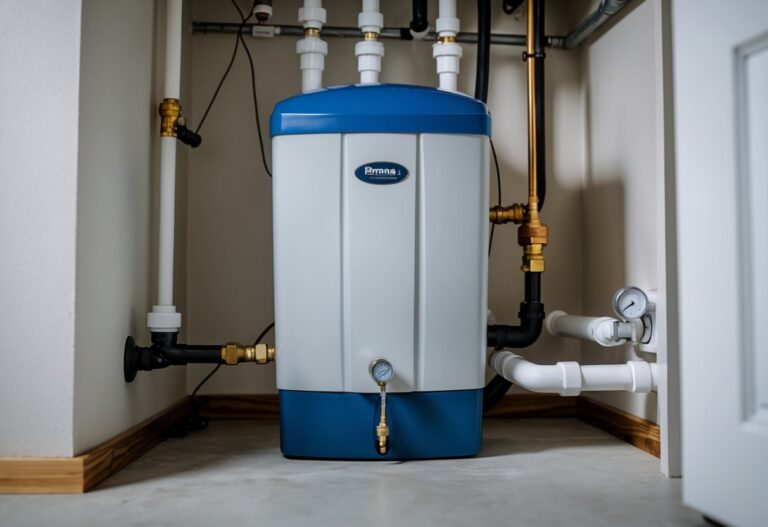

A foul smell coming from your water softener can turn your daily routine into an unpleasant experience. When your water softener starts giving off that unmistakable rotten egg odor, you’re dealing with hydrogen sulfide gas that forms when sulfur bacteria grows inside your system.
The sulfur smell in your water softener comes from bacteria that feeds on the sodium in your brine tank, creating hydrogen sulfide gas as a byproduct. This problem affects water softeners of all brands and ages, but the good news is that it’s completely fixable with the right approach.
Understanding why this happens and how to solve it will help you get your water softener back to normal operation. You can eliminate these odors and prevent them from coming back with proper cleaning and maintenance techniques.
Key Takeaways
- Sulfur bacteria grows in water softener tanks because it feeds on sodium, producing hydrogen sulfide gas that smells like rotten eggs
- Regular cleaning with bleach and dish soap every 5-10 years can eliminate existing bacteria and prevent future odor problems
- Water softeners alone cannot remove sulfur smells from incoming water and require additional carbon filtration systems
Why Does a Water Softener Smell Like Sulfur?
Several factors can make your water softener smell like sulfur, from hydrogen sulfide gas in your water supply to bacteria growing inside the softener system. The source of the sulfur smell determines whether the problem comes from your original water or develops within the softener itself.
How Hydrogen Sulfide Gas Causes Sulfur Odors
Hydrogen sulfide gas creates that distinctive rotten egg smell in your water. This gas forms naturally when bacteria break down organic matter in groundwater or well water.
When hydrogen sulfide gas dissolves in your water, it travels through your plumbing system. The gas can pass right through your water softener because softeners remove minerals like calcium and magnesium, not gases.
Your water softener cannot eliminate hydrogen sulfide gas on its own. The gas stays dissolved in the water and releases into the air when you turn on faucets or use water.
Common sources of hydrogen sulfide include:
- Decaying plant material in wells
- Natural sulfur deposits underground
- Sewage contamination in water sources
Sulfur Bacteria and Rotten Egg Smell in Softened Water
Sulfur bacteria can grow inside your water softener tank and create hydrogen sulfide gas. These bacteria thrive in the warm, moist environment of softener systems.
The bacteria feed on sulfur compounds in your water. As they multiply, they produce hydrogen sulfide gas that gives your softened water a strong rotten egg smell.
Key places bacteria grow in water softeners:
- Brine tank with standing salt water
- Resin bed where water gets treated
- Pipes and fittings inside the system
Poor maintenance makes bacterial growth worse. Old salt, dirty tanks, and infrequent cleaning create perfect conditions for sulfur bacteria to multiply.
Role of Water Softeners and Plumbing Issues
Your water softener may not cause the sulfur smell but can make existing problems worse. Softened water can pick up odors more easily than hard water.
Plumbing issues can also create sulfur smells that seem to come from your softener. Hot water heaters with magnesium rods can produce hydrogen sulfide when they react with sulfur bacteria.
Plumbing factors that affect sulfur smells:
- Water heater temperature settings
- Magnesium anode rods in tanks
- Stagnant water in unused pipes
- Cross-connections between systems
Sometimes the problem occurs only with hot water. This usually means your water heater, not your softener, has the sulfur bacteria problem.
Differentiating Source Water Versus Softener Issues
You need to test different water sources to find where the sulfur smell starts. This helps you choose the right solution for your specific problem.
Test your water before it enters the softener by checking your main water line. If this water smells like sulfur, the problem comes from your water supply, not your softener.
Testing steps to identify the source:
- Test water at main line before softener
- Test water after softener treatment
- Test hot water separately from cold
- Check water at different faucets
If only softened water smells bad, bacteria likely grew inside your softener system. If all water smells like sulfur, you need treatment for your incoming water supply.
Common Causes of Sulfur Smell in Water Softeners
Sulfur bacteria growth in your water softener creates the most common source of rotten egg odors, while contaminated components and water heater interactions can also produce hydrogen sulfide gas that smells like sulfur.
Bacterial Growth Inside the Water Softener
Sulfur bacteria thrive inside your water softener because they feed on the sodium in your brine tank. These bacteria grow in the warm, moist environment and release hydrogen sulfide gas as waste.
The bacteria attach themselves to the walls of your tank and resin bed. Over time, they multiply and create stronger smells. You’ll notice the odor gets worse if you don’t use your water softener regularly.
Signs of bacterial growth include:
- Rotten egg smell from faucets
- Black or dark buildup in the brine tank
- Slimy residue on tank walls
- Stronger odors after the system sits unused
The bacteria enter your system through your water supply or contaminated salt. Once inside, they multiply quickly in the oxygen-free environment.
Contamination in Brine Tanks or Resin Beds
Your brine tank can develop contamination from old salt, debris, or stagnant water. When salt sits too long, it creates a breeding ground for bacteria that produce sulfur smells.
Resin beds also trap organic matter and minerals over time. This buildup feeds bacteria and creates hydrogen sulfide gas. Poor water quality makes this problem worse.
Common contamination sources:
- Old or low-quality salt
- Debris in the tank
- Stagnant water between regeneration cycles
- Organic matter from your water supply
Your resin beads can become coated with iron, sulfur, or other minerals. This coating reduces their ability to soften water and creates more places for bacteria to grow.
Water Heater and Anode Rod Interactions
Your water heater’s anode rod can react with sulfur compounds in softened water to create hydrogen sulfide gas. This reaction happens when the rod breaks down to prevent tank corrosion.
Magnesium anode rods cause more sulfur smells than aluminum rods. The reaction gets stronger when your water heater temperature stays below 140°F.
Key factors that increase the reaction:
- Magnesium anode rods
- Low water heater temperatures
- High sulfur content in source water
- Bacteria in the water heater tank
You might only smell sulfur from your hot water taps if this is the cause. The smell often gets stronger after your water heater sits unused for several hours.
How to Fix and Prevent Sulfur Odors in Softened Water
Fixing sulfur odors requires identifying the source through proper testing and implementing targeted cleaning methods. Regular maintenance and upgraded filtration systems work together to prevent future hydrogen sulfide problems.
Testing for Hydrogen Sulfide and Sulfur Bacteria
You need to test both your hot and cold water to find where the sulfur smell starts. Run cold water only from your faucet and smell it. Then run hot water only and compare the odors.
If only hot water smells like sulfur, your water heater likely has hydrogen sulfide gas buildup. When both hot and cold water smell bad, the problem comes from your main water supply or water softener system.
Professional water testing checks for:
- Hydrogen sulfide gas levels
- Sulfur bacteria presence
- Iron and sediment concentrations
- Overall water quality
You can also buy home test kits that detect hydrogen sulfide gas. These strips change color when they touch contaminated water. Test your water at different times during the day since sulfur levels can change.
Cleaning and Disinfecting the Water Softener System
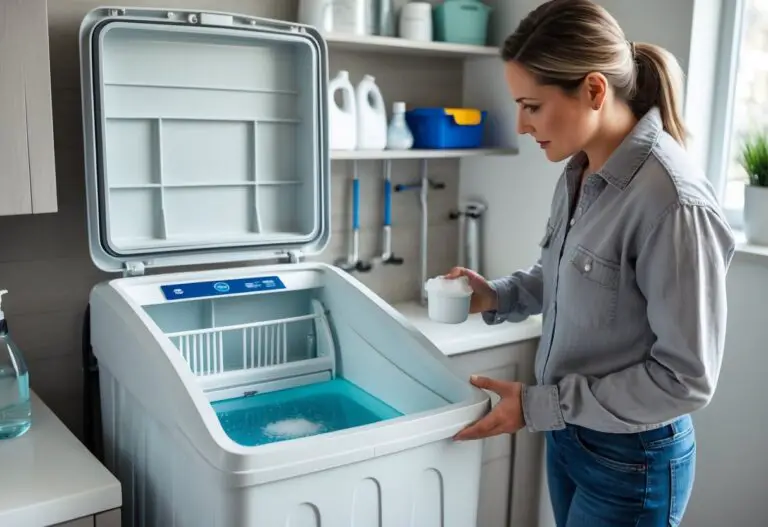
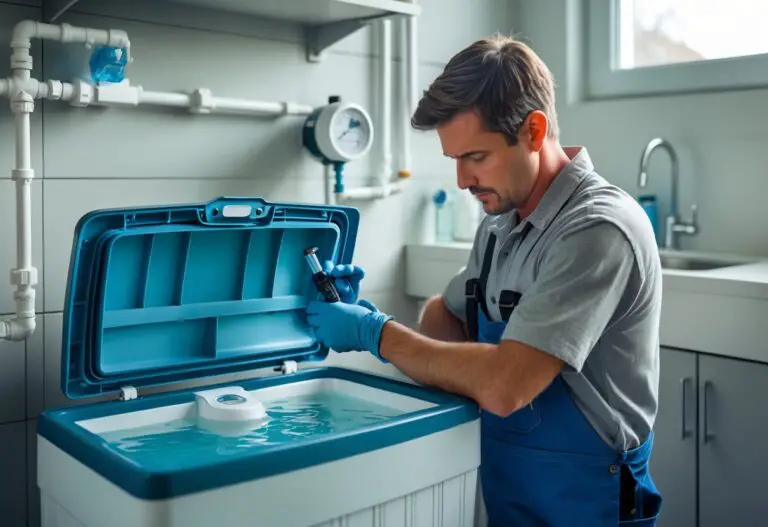
Water softener cleaning removes sulfur bacteria that create hydrogen sulfide gas. Start by turning off your system and draining the brine tank completely.
Mix 2 gallons of water with liquid dish soap to clean all components. Scrub the salt reservoir, nozzle, and venturi parts thoroughly. Rinse everything with clean water afterward.
Disinfection steps:
- Fill the brine tank with chlorine bleach solution
- Run a complete regeneration cycle
- Let the system sit for 8 hours minimum
- Flush until chlorine smell disappears
- Refill with fresh salt
The resin beads inside your water softener trap minerals and bacteria. Regular cleaning prevents sulfur bacteria from building up and creating that rotten egg smell.
Replace your salt with high-quality options. Cheap salt often contains impurities that feed sulfur bacteria growth.
Water Filtration and Treatment Upgrades
A chlorinator-activated carbon filter removes hydrogen sulfide gas that causes sulfur smells. These filters work alongside your water softener to target specific odor problems.
GAC (granular activated carbon filters) block harmful chemicals and reduce sulfur bacteria. Install these filters before your water softener for best results.
Treatment options include:
- Whole house carbon filtration systems
- Chlorine injection systems
- Hydrogen peroxide treatment units
- Specialized sulfur removal filters
For severe sulfur problems, combine multiple treatment methods. Use chlorine injection to kill bacteria, then carbon filtration to remove remaining odors and chemicals.
Your water heater may need a magnesium anode rod replacement. This rod prevents hydrogen sulfide buildup inside the tank. Replace it every 3-5 years to stop sulfur gas formation.
Routine Water Softener Maintenance Tips
Clean your water softener every 3-4 months to prevent sulfur bacteria growth. Check salt levels monthly and add fresh salt as needed.
Monthly maintenance checklist:
- Inspect salt level and quality
- Clean brine tank exterior
- Check for unusual odors
- Test water softness levels
Replace old salt that looks dirty or clumped together. Sulfur bacteria thrive in stagnant, contaminated salt. Use solar salt or evaporated salt instead of rock salt for cleaner operation.
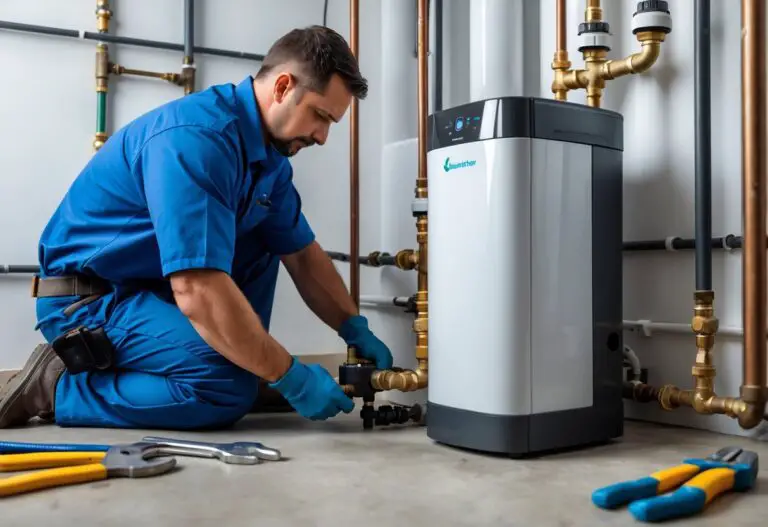
Schedule annual professional servicing for deep cleaning and system inspection. Technicians can spot problems before they create major sulfur odor issues.
Keep your brine tank covered to prevent bacteria contamination. Clean water lines and connections regularly to stop sulfur bacteria from spreading throughout your plumbing system.
Monitor your water’s smell and taste daily. Early detection helps you address sulfur problems before they become severe or damage your water softening equipment.
Additional Factors Affecting Sulfur Odors in Water Systems
Several factors beyond your water softener can create or worsen sulfur smells in your home’s water supply. The source of your water, the condition of your plumbing, and the complexity of your sulfur problem all play important roles in determining the best solution.
Well Water Versus Municipal Water Considerations
Well water typically has higher sulfur concentrations than city water. This happens because groundwater sits in contact with sulfur-containing rocks and soil for long periods.
Bacteria thrive in well environments. The low oxygen conditions in wells create perfect conditions for sulfur-reducing bacteria. These bacteria convert sulfates into hydrogen sulfide gas, which causes the rotten egg smell.
Your well’s depth affects sulfur levels too. Shallow wells often have more organic matter that feeds bacteria. Deep wells may have higher mineral content that contributes to sulfur problems.
Municipal water goes through treatment plants that remove most sulfur compounds. However, city water can still develop sulfur smells if:
- Treatment systems fail
- Distribution pipes contain bacteria
- Your home’s plumbing creates sulfur compounds
Well water requires more aggressive treatment. A basic water softener may not handle high sulfur levels from wells. You might need additional filtration or oxidation systems.
Plumbing System Corrosion and Odor Issues
Old pipes can make sulfur smells worse or create new odor problems. Corroded metal pipes provide surfaces where bacteria can grow and multiply.
Iron pipes are especially problematic. When iron corrodes, it creates sulfates that bacteria can convert to hydrogen sulfide. This means your plumbing issue becomes a sulfur smell problem.
Your water heater can be a major source of sulfur odors. The warm environment inside the tank encourages bacterial growth. Magnesium anode rods in water heaters can react with bacteria to produce hydrogen sulfide.
Hot water often smells worse than cold water. This indicates your water heater is the main source of the problem. Replacing the anode rod or flushing the tank can help.
Galvanized steel pipes that are more than 20 years old often contribute to sulfur smells. The zinc coating breaks down over time, creating conditions that promote bacterial growth.
When to Call a Water Treatment Professional
Contact a water treatment professional when your water softener cannot eliminate sulfur smells. High hydrogen sulfide levels require specialized equipment beyond basic ion exchange systems.
Professional testing identifies the exact problem. Home test kits cannot measure all types of sulfur compounds. A professional can determine sulfur concentrations and identify the specific source.
Call a professional if sulfur smells return quickly after treatment. This suggests your current system is inadequate or needs major adjustments.
Multiple treatment methods may be needed. Professionals can design systems that combine water softening with oxidation, filtration, or other sulfur removal technologies.
You should also seek professional help if sulfur smells appear suddenly in previously odor-free water. This could indicate a serious plumbing issue or contamination problem that needs immediate attention.
Professional installation ensures proper system sizing and operation. Incorrectly installed sulfur removal systems often fail to solve the problem completely.