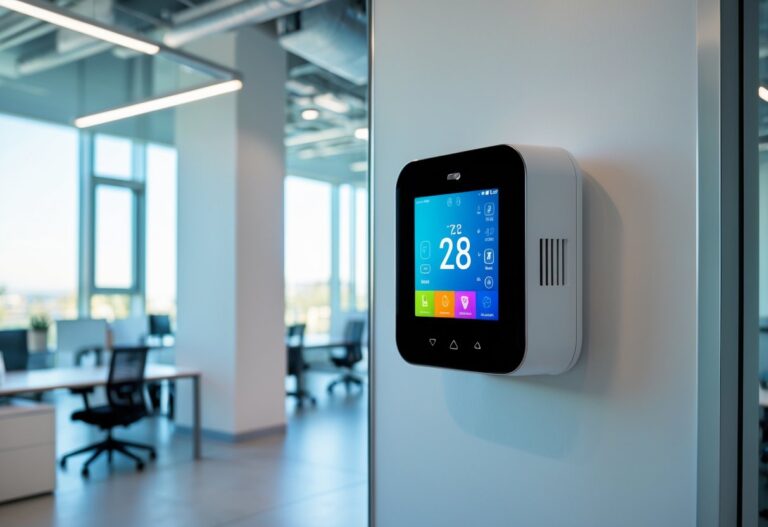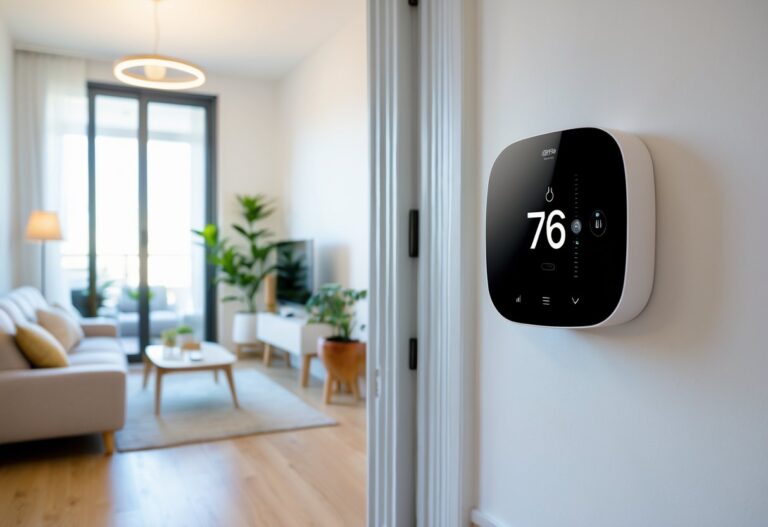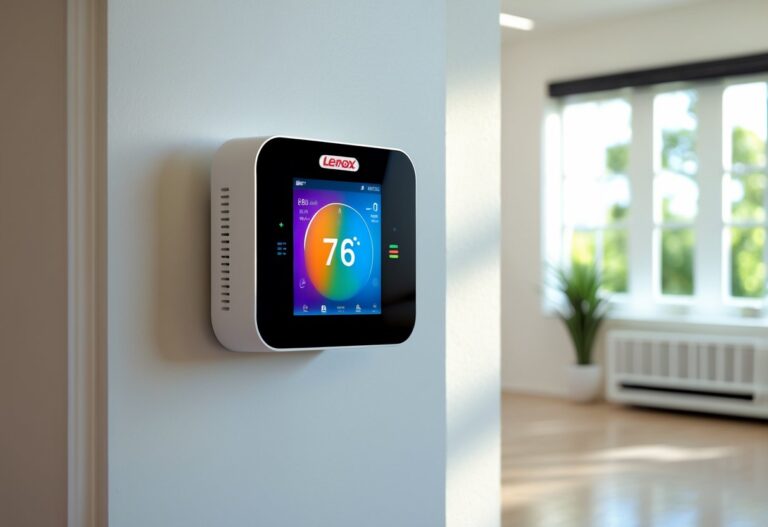

Smart thermostats do more than just control your home’s temperature. They connect to your phone, learn your habits, and work with other devices to make your home more comfortable and efficient. When you link a smart thermostat to your home automation system, it can adjust settings based on whether you’re home, what time of day it is, and even the weather outside.
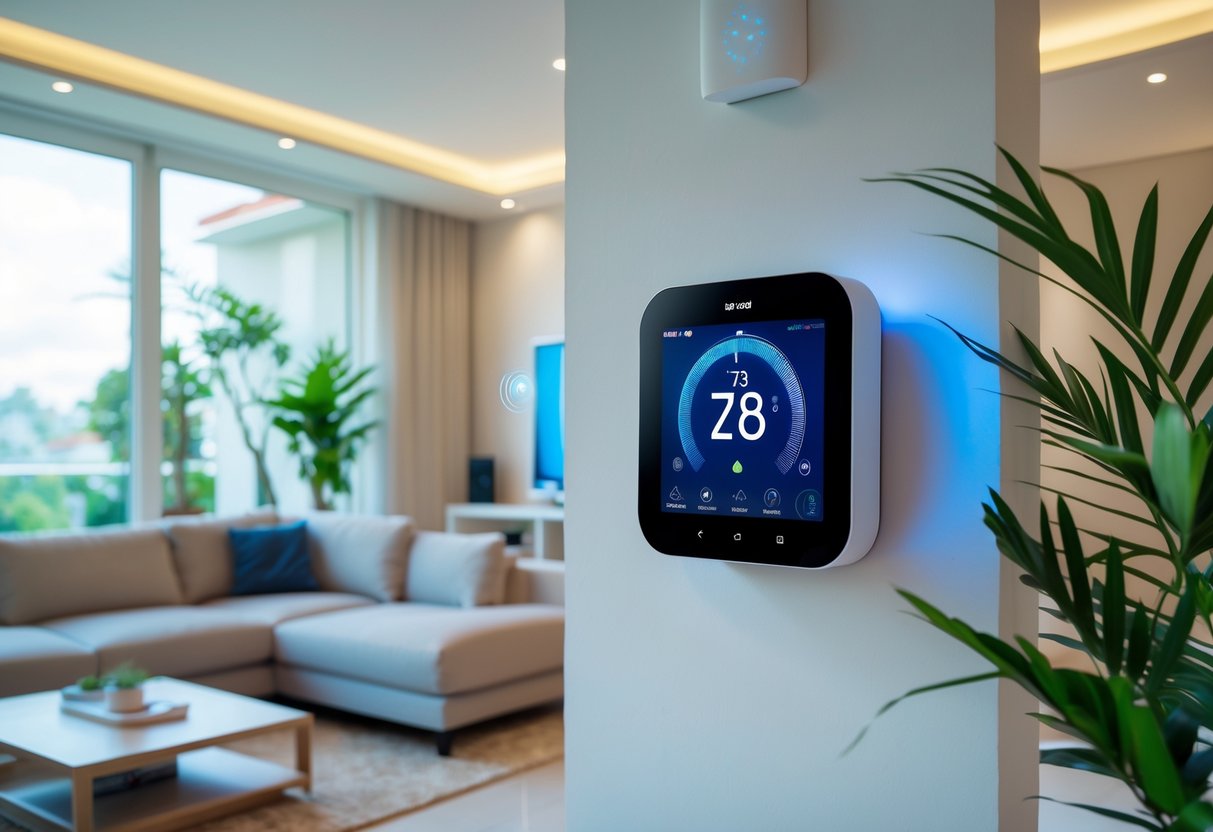
Smart thermostats integrated with home automation can reduce your energy bills by up to 23% while giving you complete control over your home’s climate from anywhere. These devices work with voice assistants like Alexa, Google Assistant, and Siri, letting you change the temperature with simple voice commands. They can also talk to your lights, locks, and sensors to create a home that responds to your needs automatically.
The best part is that you don’t need to be a tech expert to set up and use these systems. Most smart thermostats work with popular automation platforms right out of the box. They guide you through setup and start saving you money from day one.
Key Takeaways
- Smart thermostats integrate with home automation platforms to provide voice control, remote access, and automated temperature adjustments based on your schedule and preferences
- These devices can significantly reduce energy costs through features like geofencing, occupancy detection, and learning algorithms that optimize heating and cooling
- Popular platforms like Google Home, Amazon Alexa, and Apple HomeKit offer broad compatibility with most major smart thermostat brands for seamless integration
What Is Home Automation?
Home automation is a network of smart devices and technology that lets you control your home’s systems automatically or remotely. You can manage lighting, temperature, security, and entertainment from your smartphone, tablet, or with voice commands.
Smart devices communicate with each other through the internet and wireless protocols. The most common connection types include Wi-Fi, Zigbee, and Z-Wave. These devices are often called Internet of Things (IoT) devices because they share information with each other over the internet.
The system works by connecting various devices to a central hub or app on your phone. You can then monitor and control these devices from anywhere. For example, you can adjust your thermostat while at work or check your security cameras from vacation.
Core components of home automation include:
- Smart lighting systems
- Connected thermostats
- Security cameras and smart locks
- Entertainment systems
- Smart appliances
Each device serves a specific purpose but can work together to create automated routines. You might set your lights to turn on when you arrive home, or have your thermostat adjust when you leave for the day.
Home automation enhances convenience, comfort, and energy efficiency in your daily life. The technology has moved from a futuristic concept to an accessible reality for most homeowners. You can start small with a single device and expand your system as you become more comfortable with the technology.
How Smart Thermostats Fit Into Home Automation
Smart thermostats work as a central control point for your home’s heating and cooling system. They connect to your Wi-Fi network and communicate with other devices in your home automation setup.
Key Integration Points:
- Voice assistants like Amazon Alexa, Google Home, and Apple HomeKit
- Smart lighting systems that adjust based on occupancy
- Motion sensors that detect when rooms are empty
- Smart locks that signal when you leave or arrive home
- Window sensors that detect open windows and adjust heating or cooling
Your smart thermostat collects data about your daily routines and temperature preferences. It uses this information to automatically adjust settings without you having to make manual changes. The device tracks when you wake up, leave for work, and return home.
When connected to other smart devices, your thermostat becomes more effective. For example, if your smart lock detects that you’ve left home, it can tell your thermostat to switch to an energy-saving mode. When your phone’s GPS shows you’re returning, the system can start adjusting the temperature for your arrival.
Home automation platforms allow you to create custom rules and schedules. You can set your lights, thermostat, and other devices to work together based on specific triggers. This coordination reduces energy waste and improves comfort throughout your home.
The thermostat also provides detailed reports about your energy usage patterns. You can view this data through a smartphone app and identify opportunities to save more energy.
Key Benefits of Integrating Smart Thermostats With Home Automation
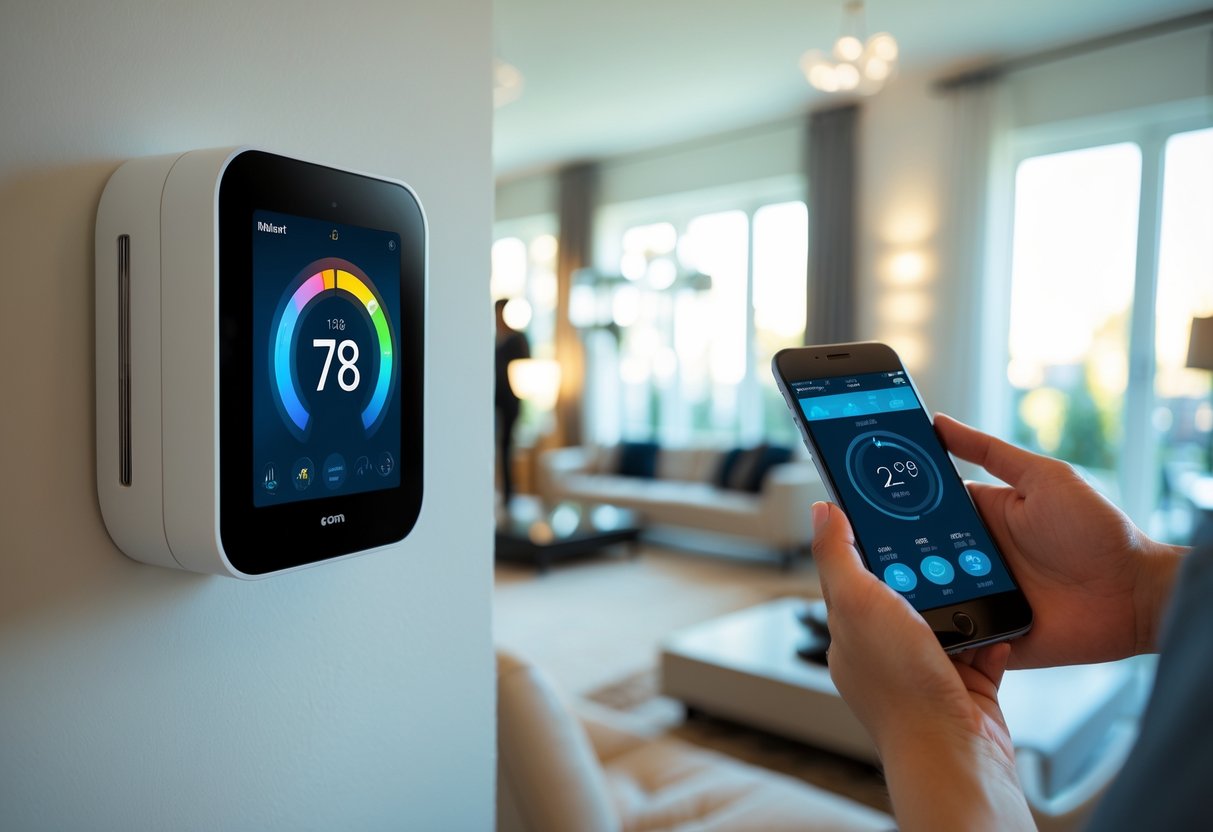
Energy savings stand out as one of the biggest advantages when you connect your smart thermostat to your home automation system. These devices can reduce your heating and cooling costs by up to 23% through intelligent temperature management. They learn your daily patterns and adjust settings automatically to avoid wasting energy when you’re away or asleep.
Your comfort level improves significantly with integrated smart thermostats. You can control your home’s temperature from anywhere using your smartphone. Voice commands through Alexa, Google Assistant, or Siri let you adjust settings without getting up.
The system works with other smart devices like motion sensors and smart blinds to maintain ideal temperatures throughout your home. Remote sensors detect which rooms you’re actually using and focus climate control where you need it most.
Cost savings add up quickly over time. Lower energy bills mean you can recover the cost of your smart thermostat within 1-2 years. You’ll also receive alerts about system maintenance needs before they turn into expensive repairs.
The automation features save you time and mental energy. You don’t need to remember to adjust the thermostat when you leave for work or go to bed. The system handles these changes based on your schedule and location automatically.
Your home becomes more sustainable with reduced energy consumption. Detailed usage reports show exactly when and how you’re using energy, helping you make smarter decisions about your heating and cooling habits. This data-driven approach lets you fine-tune your settings for maximum efficiency.
Popular Home Automation Platforms and Compatibility
When choosing a smart thermostat, you need to consider which home automation platform it works with. Most modern thermostats support multiple platforms, but compatibility varies by model.
Amazon Alexa is the most widely supported platform. It works with nearly every smart thermostat on the market and lets you control temperature through voice commands using Echo devices. You can also set up routines that adjust your thermostat based on other smart home triggers.
Google Home offers similar functionality with strong natural language processing. You can ask Google Assistant to change temperatures, and it integrates well with Nest thermostats and most third-party brands. The Google Home app provides a central place to manage all your connected devices.
Apple HomeKit is more selective about compatible devices. You need HomeKit-certified thermostats to work with Siri and the Home app. This platform focuses on privacy and security but has fewer compatible models than Alexa or Google Home.
Matter is a new standard that connects different platforms together. It lets your thermostat work across Amazon, Apple, Google, and Samsung ecosystems without being locked into one system. More devices are adding Matter support in 2026.
Before buying a smart thermostat, check which platforms it supports. If you already use Alexa speakers or Google devices, pick a thermostat that matches your existing setup. For future flexibility, look for Matter-compatible models that work across multiple platforms.
Automation Features and Use Cases
Smart thermostats offer several automation features that make your home more comfortable and efficient. These devices connect to your home network and work with other smart devices to create a complete system.
Scheduling and routines let you program different temperatures for specific times of day. You can set cooler temperatures while you sleep and warmer settings when you wake up. The thermostat will automatically adjust without you touching it.
Geofencing and occupancy detection use your phone’s location to know when you leave or return home. When you drive away, your thermostat switches to energy-saving mode. It starts heating or cooling again when you get close to home. Some models also use motion sensors to detect if rooms are empty.
Voice control works with assistants like Alexa and Google Assistant. You can change the temperature just by speaking. This is helpful when your hands are full or you’re in another room.
Scene-based automation connects your thermostat with other smart devices. When you activate “Movie Night,” your lights might dim while the temperature adjusts for comfort. An “Away” scene could turn down the heat, lock your doors, and turn off lights all at once.
These features work together to reduce energy waste. Your HVAC system only runs when needed, and settings adjust based on your actual habits. You can also track your energy use through smartphone apps to see where you’re saving money.
Smart Thermostats and Energy Management Systems
Smart thermostats work as the control center for your home’s energy management system. They connect with other smart devices like lights, plugs, and appliances to create a complete system that tracks and controls your energy use.
Real-time energy monitoring lets you see exactly how much energy your heating and cooling system uses at any moment. You can check this information on your phone or tablet throughout the day. This helps you spot when your system uses the most energy and find ways to cut costs.
Your smart thermostat collects data about your energy patterns and creates usage reports and insights. These reports show you trends over weeks or months. The system can suggest changes based on your habits, like adjusting temperatures when you’re away or asleep.
Many smart thermostats connect to demand response programs offered by energy companies. These programs help balance the power grid during peak times. When you join, your thermostat can automatically adjust settings during high-demand periods. You often get rewards or lower rates for participating.
The ENERGY STAR Smart Home Energy Management Systems program requires at least three components:
- Smart thermostat
- Smart lighting
- Smart plugs to monitor and control devices
You can add more devices like appliances and EV chargers to expand your system. Studies show that smart thermostats can reduce your heating and cooling costs by 10-23% each year. The system learns your schedule and adjusts temperatures automatically to save energy while keeping your home comfortable.
Security, Privacy, and Data Considerations
Smart thermostats collect detailed information about your home and daily habits. This includes when you’re home or away, your temperature preferences, and your daily schedule. The device transmits this data over the internet to manufacturer servers for processing and storage.
Key Data Collection Points:
- Home occupancy patterns and schedules
- Temperature adjustment preferences
- Location data from connected smartphones
- Energy usage statistics
- Voice commands (if equipped with voice control)
You need to understand how manufacturers handle your data. Review privacy policies before purchasing to see what information is collected, how it’s used, and whether it’s shared with third parties. Some companies share data with advertisers to create targeted marketing profiles based on your habits.
Encryption protocols protect your data during transmission. Strong encryption makes it difficult for hackers to intercept your information. Weak or outdated encryption creates vulnerabilities that cybercriminals can exploit to access your home network.
Essential Security Practices:
- Use strong, unique passwords for your thermostat account
- Enable two-factor authentication when available
- Update firmware regularly to patch security vulnerabilities
- Review and adjust privacy settings to limit data sharing
- Choose devices from reputable manufacturers with transparent security policies
Your smart thermostat can become an entry point for broader network attacks if not properly secured. Hackers who gain access might control your device or reach other connected systems in your home.
Active management of permissions gives you control over what data is collected and shared. Most devices offer settings to disable certain tracking features or opt out of third-party data sharing.
Installation and Setup Considerations
Before you install a smart thermostat, you need to check if your HVAC system is compatible with the device. Most smart thermostats work with standard systems, but some older setups may require a C-wire (common wire) for continuous power.
Basic Hardware Requirements:
- Compatible HVAC system
- C-wire or adapter (may be included)
- Standard voltage (24V is common)
- Wi-Fi router within range
- Smartphone or tablet for setup
You should turn off power at the circuit breaker before removing your old thermostat. Label each wire as you disconnect it or take a clear photo of the existing setup. This makes reconnecting much easier and prevents errors.
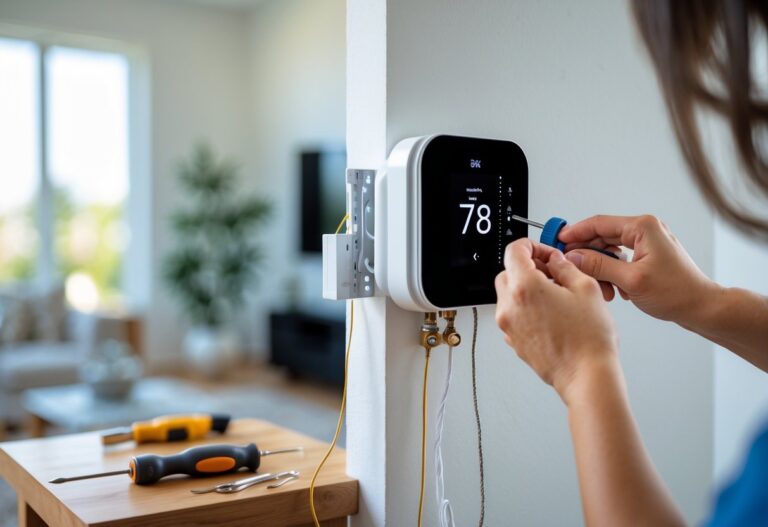
The physical installation involves mounting the base plate level on your wall and connecting the wires to their correct terminals. Each wire connects to a specific letter terminal (R, W, Y, G, C) based on your system type.
App Setup Steps:
- Download the manufacturer’s app
- Create an account
- Connect the thermostat to your Wi-Fi network
- Follow the guided setup process
- Configure your heating and cooling preferences
If your thermostat won’t connect to Wi-Fi, verify your password is correct and check signal strength. Moving your router closer or using a Wi-Fi extender can help.
Integration with other smart home devices happens through the app or a central hub like Google Home or Amazon Alexa. You may need to enable specific skills or link accounts to allow communication between devices. Test each connection to confirm everything works properly.
Who Benefits Most From Smart Thermostat Automation
Homeowners gain the most value from smart thermostat automation because they control their heating and cooling systems and see direct savings on their utility bills. You can recoup the $150-$300 investment through energy savings within a few years. Renters may face limitations since landlords often control HVAC upgrades and equipment.
Families and households with multiple people benefit significantly from automation features. Smart thermostats learn different schedules and preferences without constant manual adjustments. You can set the system to warm up before kids return from school or cool down before everyone arrives home from work.
Tech-savvy users appreciate the integration capabilities with other smart home devices. You can create automation routines that coordinate your thermostat with lights, blinds, and security systems through voice commands or smartphone apps.
People concerned about environmental impact find value in the energy tracking features. You can monitor your consumption patterns and reduce your carbon footprint while cutting costs. The EPA estimates annual savings of $50-$100 for most households.
| User Type | Key Benefits |
|---|---|
| Homeowners | Direct bill savings, property value increase |
| Large Households | Automated scheduling, comfort optimization |
| Tech Enthusiasts | Smart home integration, remote control |
| Eco-Conscious | Energy tracking, reduced consumption |
Busy professionals who travel frequently benefit from geofencing features. Your thermostat automatically adjusts when you leave and prepares your home before you return.
Future Trends in Smart Thermostats and Home Automation
Smart thermostats are becoming more advanced through AI-driven automation. These devices will learn your daily routines and adjust temperatures without you needing to program them. The technology processes data locally on the device, which means faster responses and better privacy protection.
Matter protocol is changing how devices work together. This new standard lets thermostats from different brands connect with your other smart home products without compatibility problems. You can mix and match devices and control everything through one app or hub.
Smart thermostats will soon connect directly to power grids. This connection lets your thermostat adjust energy use during peak hours automatically. You save money on bills while helping reduce strain on the electrical grid.
Here are key features coming in the next few years:
- Predictive learning that adjusts settings based on weather forecasts
- Voice control that understands natural language commands
- Energy tracking with detailed reports on your usage patterns
- Remote monitoring through cellular connections that don’t need Wi-Fi
- Solar integration for homes using renewable energy
The global market for smart thermostats will grow significantly, reaching over $30 billion by 2035. More homes will adopt these systems because of rising energy costs and new green building requirements.
Your thermostat will work with other devices to create automated scenes. When you unlock your smart lock, the system can adjust temperature, turn on lights, and start other routines. This level of integration makes your home more efficient and responsive to your needs.