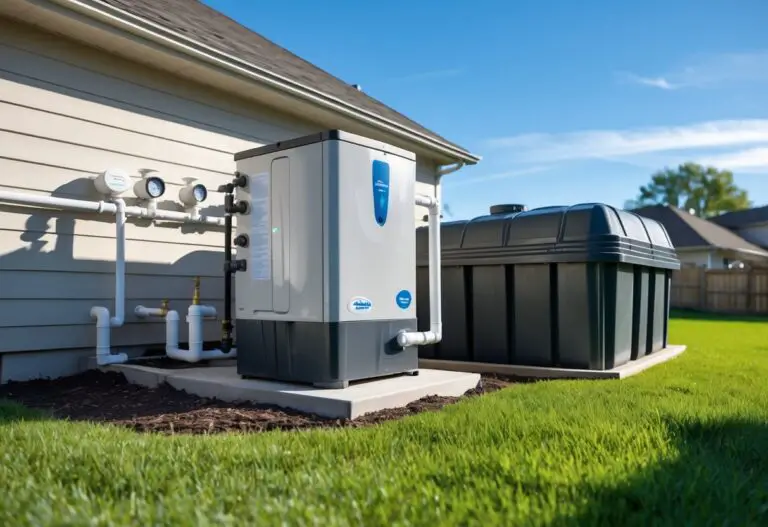

Hard water affects over 85% of American homes, leaving mineral deposits on fixtures and making soap less effective. The right water softener can transform your daily water experience, but choosing among the many brands can feel overwhelming.
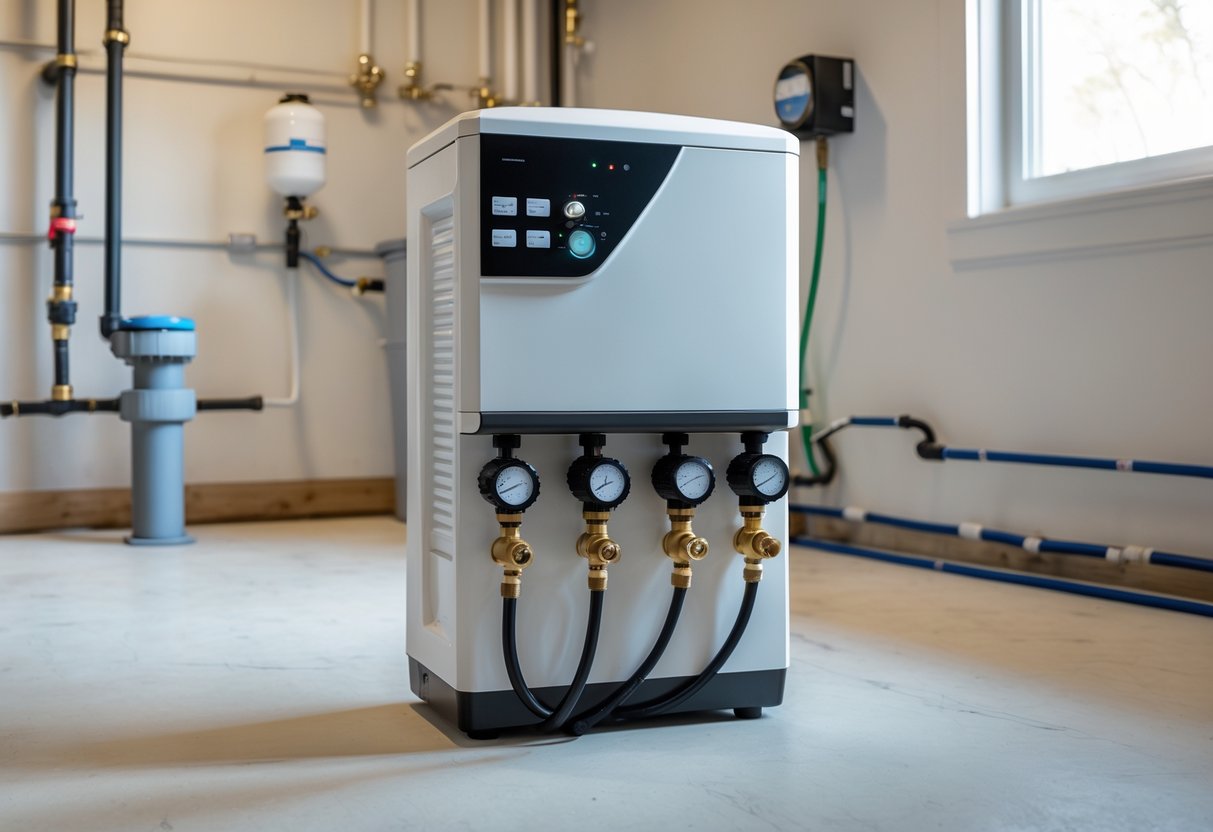
The most reliable water softener brands in 2025 include Fleck, Clack, Kinetico, Culligan, and EcoWater, each offering different advantages in durability, efficiency, and maintenance requirements. These brands have proven track records spanning decades and offer systems ranging from budget-friendly DIY options to premium dealer-installed units.
Your choice depends on factors like your water hardness level, household size, budget, and whether you prefer professional installation or want to tackle the project yourself. Some brands excel at salt efficiency, while others focus on durability or ease of maintenance.
Key Takeaways
- Top water softener brands offer different strengths in reliability, efficiency, and service support to match various household needs
- Brand selection should consider factors like installation requirements, maintenance complexity, and long-term operational costs
- Performance varies significantly between budget models and premium systems, with durability ranging from 3-20 years depending on the brand
Key Features of Top Water Softener Brands
Top water softener brands stand out through their technology choices, regeneration methods, and control systems. These features determine how well your system removes minerals and fits your household needs.
Salt-Based vs. Salt-Free Systems
Salt-based water softeners use ion exchange to remove calcium and magnesium from your water. These systems swap hard minerals for sodium ions through resin beads.
Most top brands offer salt-based models because they truly soften water. You’ll notice soap lathers better and your skin feels smoother.
Salt-free systems work differently. They condition water by changing mineral structure instead of removing minerals. This prevents scale buildup but doesn’t create soft water.
Salt-based benefits:
- Removes minerals completely
- Works with all water hardness levels
- Proven technology
Salt-free benefits:
- No salt purchases needed
- Keeps beneficial minerals
- Lower maintenance
Your choice depends on water hardness and personal preferences. Salt-based systems handle very hard water better than salt-free options.
Regeneration Cycle Innovations
Modern water softener systems use smart regeneration cycles to save salt and water. Older models regenerated on fixed schedules regardless of actual use.
Meter-based regeneration tracks your water usage. The system only regenerates when you’ve used enough water to exhaust the resin capacity. This cuts salt use by up to 40%.
Time-initiated systems regenerate on preset schedules. These work well for predictable water usage patterns but waste resources during low-use periods.
High-efficiency models from top brands use advanced algorithms. They learn your usage patterns and adjust regeneration timing automatically.
Some premium systems offer twin-tank designs. One tank softens water while the other regenerates. This ensures continuous soft water availability.
Control Valve Technology
Control valves manage water flow and regeneration cycles in your water softener system. Digital valves offer more precision than mechanical timers.
Smart controls let you monitor system performance through smartphone apps. You can track salt levels and receive maintenance alerts remotely.
Flow sensors measure actual water usage instead of estimating. This data helps optimize regeneration timing and salt efficiency.
Multi-port valves handle different cycle stages automatically. They switch between service, backwash, and regeneration modes without manual intervention.
Top brands include bypass valves as standard equipment. These let you maintain water flow during repairs or maintenance work.
Programmable settings allow customization for your water conditions. You can adjust hardness levels and regeneration frequency based on test results.
Comparing Leading Water Softener Brands
Several major brands dominate the water softener market through different strengths and approaches. Fleck leads with mechanical reliability, Culligan offers comprehensive service networks, Kinetico focuses on twin-tank non-electric systems, and SpringWell provides smart technology integration.
Fleck 5600 and Other Fleck Models
The Fleck 5600 remains one of the most popular control valves in residential water treatment systems. This mechanical valve uses a timer-based regeneration system that runs on a preset schedule.
Fleck valves are known for their durability and ease of repair. Most local plumbers can service these systems because replacement parts are widely available. The 5600 model typically lasts 15-20 years with proper maintenance.
Key Fleck Models:
- Fleck 5600: Timer-based, budget-friendly option
- Fleck 5600SXT: Metered regeneration for better efficiency
- Fleck 7000: High-capacity commercial applications
The main advantage of Fleck systems is their non-proprietary design. You’re not locked into one service provider. Any water treatment professional can work on these units.
Fleck valves regenerate based on water usage rather than time schedules in metered models. This saves salt and reduces waste water compared to timer-only systems.
Culligan Systems and Technology
Culligan operates through a network of local dealers who provide installation and ongoing service. Their water softener systems often include built-in monitoring and salt delivery services.
Most Culligan units use high-efficiency regeneration cycles that reduce salt usage by up to 40%. Their newer models include smart features like low-salt alerts and usage tracking through mobile apps.
Culligan’s Service Model:
- Local dealer network for installation
- Regular maintenance programs
- Salt delivery services available
- Warranty support through local dealers
Culligan systems typically require annual maintenance visits to maintain warranty coverage. These visits cost around $200-300 but include system cleaning and performance checks.
The brand offers both single-tank and twin-tank configurations. Twin-tank systems provide continuous soft water even during regeneration cycles.
Kinetico and Non-Electric Designs
Kinetico water softener systems operate without electricity using water pressure to power regeneration cycles. This twin-tank design ensures you always have soft water available.
The non-electric operation means no timers to set or power outages to worry about. Regeneration happens automatically based on actual water usage through a mechanical meter system.
Kinetico Advantages:
- No electrical connection required
- Twin tanks provide continuous soft water
- Water-powered operation
- Demand-based regeneration only
Kinetico systems use proprietary components that require authorized dealers for service and repairs. This limits your service options but ensures trained technicians handle maintenance.
The brand focuses on efficiency with their countercurrent regeneration process. This method uses less salt and water compared to traditional co-current systems.
Installation costs are typically higher due to the specialized dealer network and twin-tank configuration requirements.
SpringWell and DROP: Smart Water Softeners
SpringWell offers app-connected water softeners that provide real-time monitoring and control through smartphone integration. Their systems include built-in sediment pre-filters and bypass valves.
The SpringWell mobile app tracks salt levels, water usage, and system performance. You receive alerts when maintenance is needed or when salt runs low.
Smart Features Include:
- Mobile app connectivity
- Usage tracking and reporting
- Low salt notifications
- Remote system diagnostics
DROP smart water softeners take connectivity further with detailed water quality reporting and integration with home automation systems. These units learn your usage patterns and optimize regeneration schedules.
Both brands focus on DIY installation with detailed instructions and phone support. This approach reduces initial costs compared to dealer-installed systems.
SpringWell systems include lifetime warranties on tanks and 6-year coverage on electronics. DROP offers similar warranty coverage with emphasis on their smart technology components.
Brand Performance Metrics and Efficiency
Water softener performance varies dramatically between brands, with grain capacity ranging from 35,000 to 80,000 grains and salt efficiency differences of up to 300%. Water usage during regeneration cycles also differs significantly, impacting both your utility bills and environmental footprint.
Grain Capacity and Hard Water Removal
Grain capacity determines how much hard water your system can treat before regeneration. SpringWell leads with 80,000-grain capacity, making it ideal for large households with severe hard water issues.
Fleck 5600SXT offers 48,000 grains at a more budget-friendly price point. This capacity works well for medium to large homes with moderate hard water levels.
HydroClean3 provides 35,000-grain removal capability but compensates with superior efficiency in other areas. The system maintains consistent performance across varying hardness levels.
Flow rate matters just as much as capacity. SpringWell maintains 20 GPM flow rates, preventing pressure drops when multiple appliances run simultaneously. Lower-capacity systems often struggle during peak usage periods.
Your household size and water hardness level should guide your capacity choice. A family of four with 10-15 GPG hardness typically needs at least 40,000-grain capacity for optimal performance.
Salt Efficiency Comparison
Salt efficiency varies dramatically between brands, directly affecting your operating costs. HydroClean3 achieves 5,880 grains per pound of salt, nearly triple the efficiency of some competitors.
Fleck models average 2,182 grains per pound, requiring more frequent salt additions. SpringWell systems use 50% less salt than traditional models while removing 97.5% of hardness minerals.
| Brand | Grains per Pound | Salt Savings |
|---|---|---|
| HydroClean3 | 5,880 | Highest |
| SpringWell | 4,000+ | 50% less |
| Fleck | 2,182 | Standard |
Demand-initiated regeneration improves salt efficiency across all brands. SoftPro Elite systems reduce salt consumption by up to 50% through usage-based cycling instead of time-based schedules.
Higher salt efficiency means fewer trips to buy salt bags. It also reduces sodium discharge into your local water system, benefiting the environment.
Water Usage and Environmental Impact
Regeneration cycles consume significant water, making efficiency crucial for environmental responsibility. HydroClean3 uses only 21 gallons per regeneration cycle compared to Fleck’s 48 gallons.
This difference adds up quickly. Over one year, efficient systems save thousands of gallons. HydroClean3 saves approximately 10,836 gallons annually compared to less efficient models.
Kinetico’s dual-tank design eliminates regeneration downtime while minimizing water waste. Their non-electric systems regenerate based on actual water usage rather than predetermined schedules.
Water-efficient models reduce your utility bills and environmental impact. They’re especially valuable in drought-prone areas or regions with water restrictions.
Look for systems with metered regeneration technology. These models monitor your actual water consumption and regenerate only when necessary, maximizing both water and salt efficiency.
Choosing the Right Water Softener Brand for Your Needs
The best water softener brand depends on your home’s water usage, your maintenance preferences, and your budget. Smart brand selection considers installation requirements and long-term service support.
Home Size and Water Demand
Your household size directly affects which water softener system you need. A family of four uses about 300 gallons per day on average.
Small homes with 1-2 people need systems that handle 20,000-30,000 grains of hardness. Medium households with 3-4 people require 30,000-40,000 grain capacity units.
Large families of 5+ people should look for systems with 40,000+ grain capacity. Some brands offer dual-tank designs that provide continuous soft water even during regeneration cycles.
Water hardness levels also matter:
- Moderately hard water (3-7 grains per gallon)
- Hard water (7-10 grains per gallon)
- Very hard water (10+ grains per gallon)
Test your water first. Brands like Fleck and Culligan offer different models based on hardness levels. Higher hardness requires more frequent regeneration and larger salt storage.
Installation, Maintenance, and Service
Some water softener brands require professional installation while others offer DIY-friendly designs. Complex systems with electronic controls typically need professional setup.
Installation considerations include:
- Available space for the unit
- Electrical requirements
- Plumbing connections needed
- Drain access
Salt-based water treatment systems need regular salt refills every 6-8 weeks. You’ll also need to clean the brine tank annually and replace filters as needed.
Salt-free systems require less hands-on maintenance. They don’t need salt refills but may need media replacement every 3-5 years.
Check if brands offer local service support in your area. Some companies provide maintenance packages while others rely on independent contractors.
Cost Effectiveness and Warranty Coverage
Water softener prices range from $500 for basic units to $3,000+ for premium systems. Factor in installation costs of $200-800 if you hire professionals.
Ongoing costs include:
- Salt purchases ($50-100 annually)
- Electricity usage
- Water for regeneration
- Filter replacements
Compare warranty terms carefully. Basic warranties cover 1-3 years while premium brands offer 5-10 year coverage. Some warranties cover parts only while others include labor costs.
Look for brands that offer performance guarantees. The best companies stand behind their water softener systems with satisfaction promises and responsive customer service.
Calculate total cost over 10 years including purchase price, installation, and maintenance. Sometimes higher upfront costs save money long-term through better efficiency and fewer repairs.