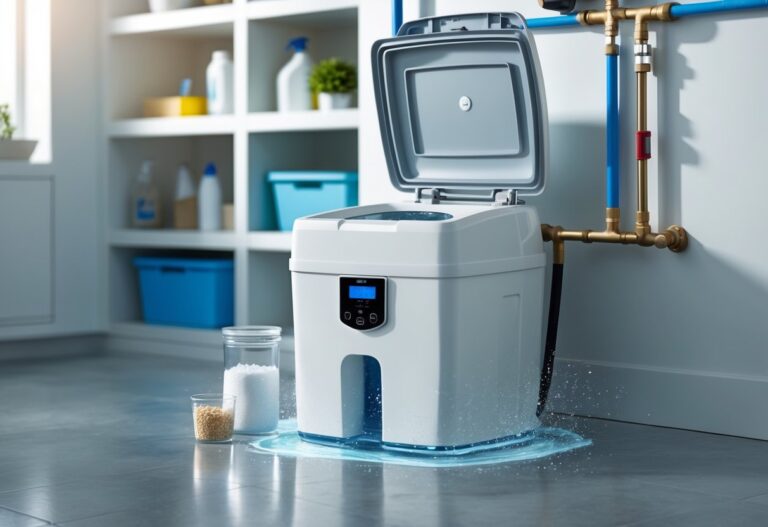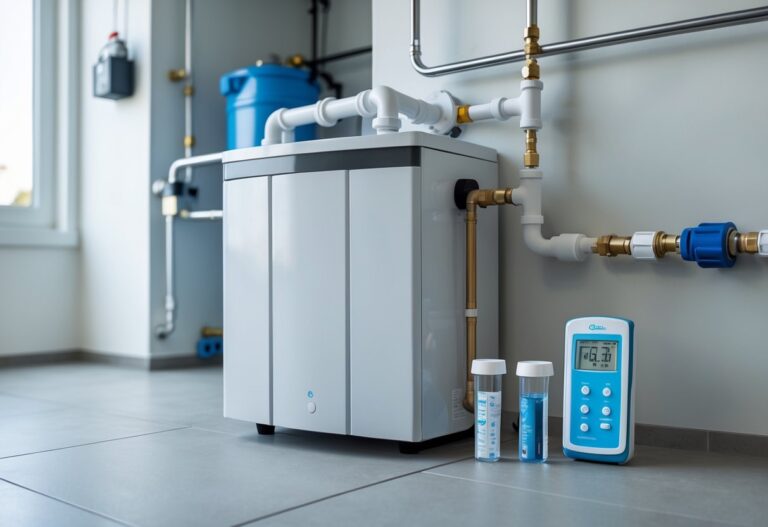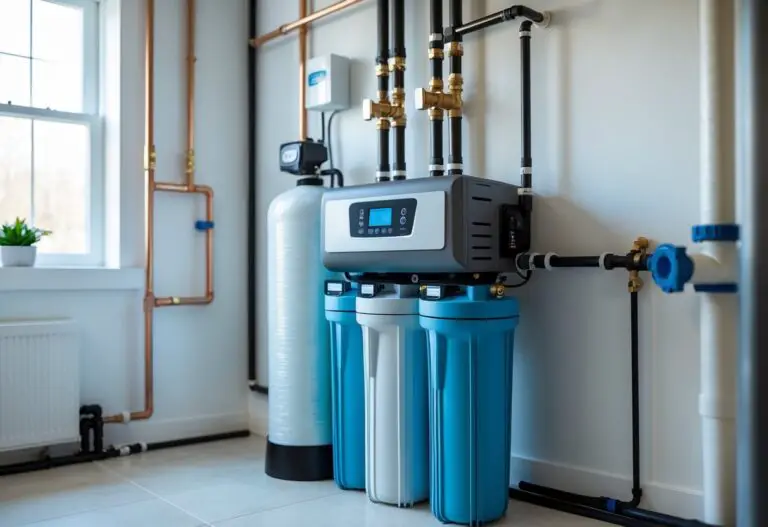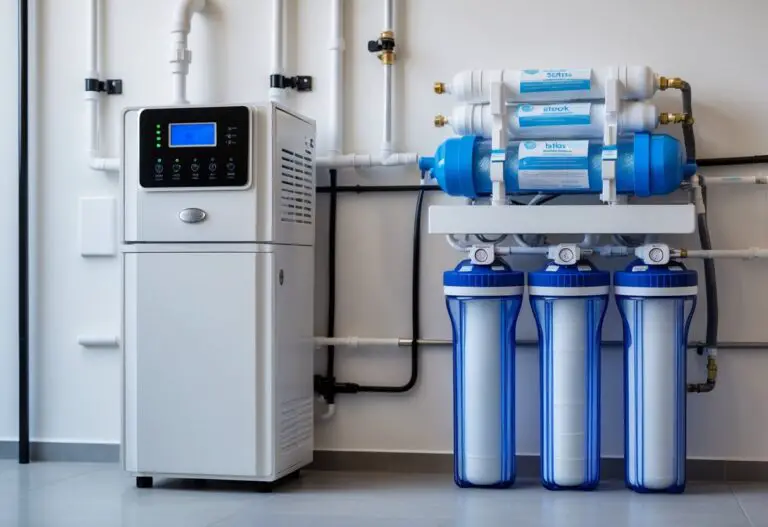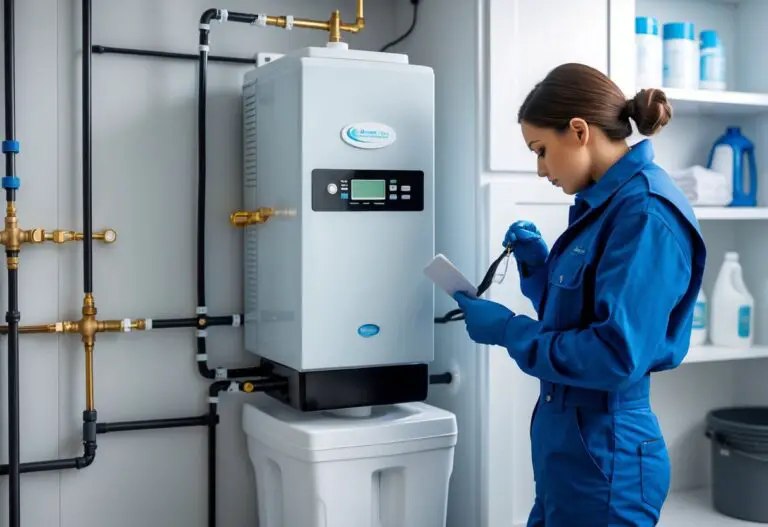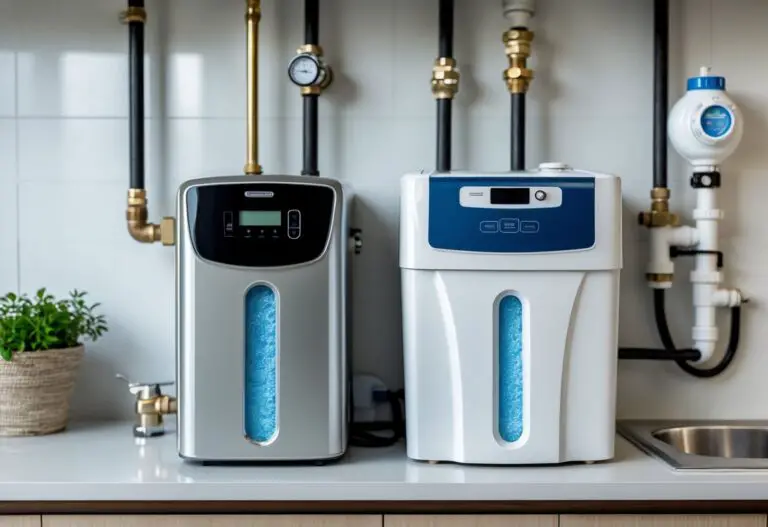

You may have invested in a tankless water heater for its energy efficiency and endless hot water supply, but if you live in an area with hard water, you could be unknowingly shortening its lifespan and reducing its performance. Hard water contains minerals like calcium and magnesium that build up inside your system, creating scale deposits that make your heater work harder and wear out faster.
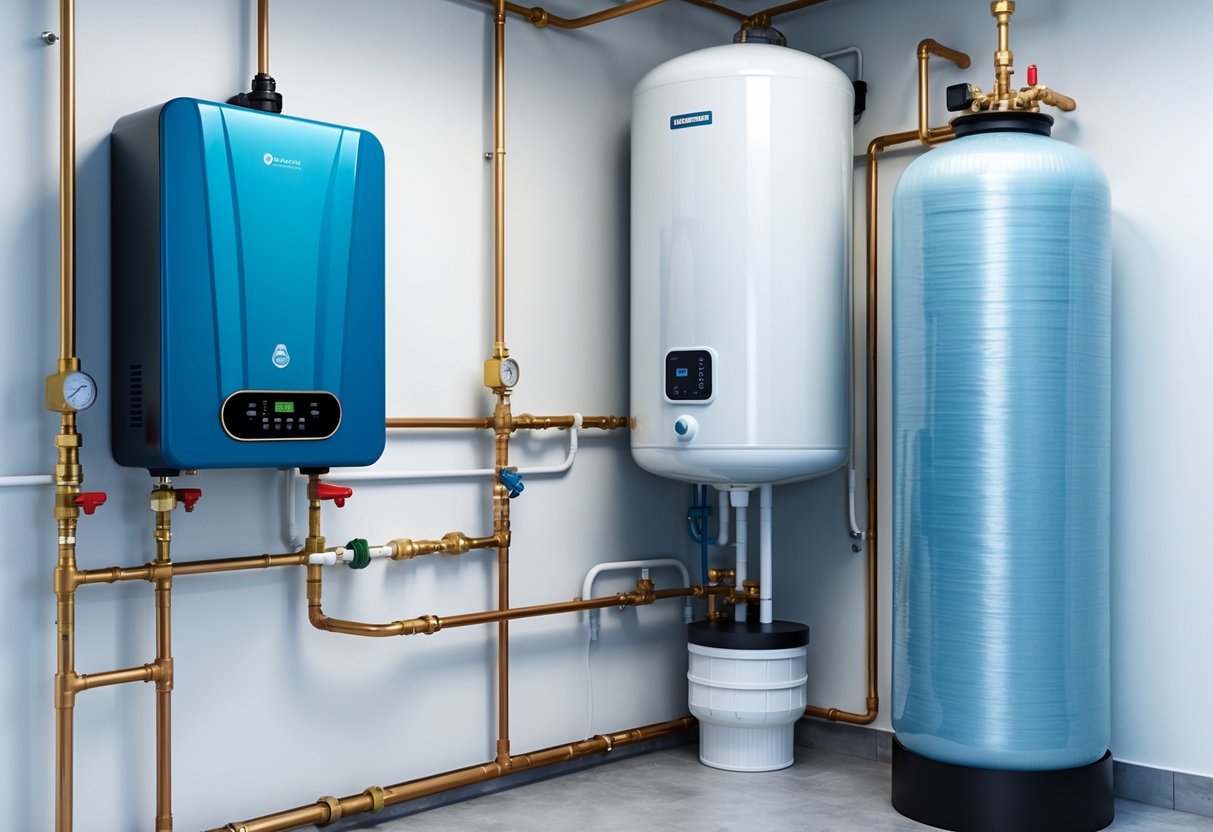
You don’t absolutely need a water softener with a tankless water heater, but installing one can extend your unit’s life from the typical 20 years to over 20 years while reducing maintenance costs and improving efficiency. Without a water softener, you’ll need to descale your tankless heater annually, but with one, you can stretch that maintenance to every three to five years.
The decision ultimately depends on your water’s hardness level, your budget, and how long you plan to stay in your home. Understanding the relationship between water quality and your tankless system’s performance will help you make the right choice for your situation.
Key Takeaways
- Water softeners prevent mineral buildup that reduces tankless water heater efficiency and lifespan
- Hard water requires annual descaling while soft water extends maintenance intervals to three to five years
- Installation costs range from $200 to $6,000 but can save money on repairs and energy bills long-term
Why Water Softeners Matter for Tankless Water Heaters
Hard water creates significant problems for tankless water heaters by causing mineral deposits that reduce efficiency and require frequent maintenance. Scale buildup from calcium and magnesium can damage the heat exchanger and void manufacturer warranties.
Impact of Hard Water on Tankless Units
Hard water contains high levels of calcium and magnesium minerals that create serious problems for your tankless water heater. These minerals stick to the internal components of your unit, especially the heat exchanger.
The heat exchanger is the most important part of your tankless water heater. It heats water as it flows through narrow passages. Hard water minerals coat these passages and make it harder for heat to transfer properly.
Your tankless water heater will start working less efficiently as mineral buildup increases. The unit has to work harder and use more energy to heat the same amount of water.
Hard water effects on tankless units:
- Reduced heat transfer efficiency
- Increased energy consumption
- Slower hot water delivery
- Higher operating costs
The heating elements in your tankless water heater face constant exposure to these minerals. Over time, this exposure causes permanent damage that cannot be reversed through cleaning alone.
Scale Buildup and Efficiency Issues
Scale deposits form when calcium and magnesium minerals heat up and stick to metal surfaces inside your tankless water heater. This scale buildup acts like insulation between the heating element and the water.
Your tankless water heater’s efficiency drops significantly as scale accumulates. A thin layer of scale can reduce efficiency by 10% or more. Thicker buildup can cut efficiency by 25% to 30%.
Scale buildup problems:
- Blocks water flow through narrow passages
- Creates hot spots that damage components
- Increases risk of system overheating
- Reduces unit lifespan from 20 years to 12-15 years
Without a water softener, you need to descale your tankless water heater every year. This maintenance costs $200 to $300 each time. The process takes about 90 minutes and requires special equipment and chemicals.
Scale buildup also causes your tankless water heater to cycle on and off more frequently. This constant cycling wears out internal components faster and leads to expensive repairs.
Manufacturer Recommendations and Warranty Requirements
Most tankless water heater manufacturers require regular maintenance to keep your warranty valid. Many companies recommend using a water softener in areas with hard water to prevent mineral damage.
Your warranty may become void if you fail to maintain your tankless water heater properly. Scale damage from hard water often shows clear evidence of poor maintenance practices.
Common warranty requirements:
- Annual descaling in hard water areas
- Professional maintenance records
- Use of approved cleaning products
- Installation of water treatment systems
Some manufacturers specifically recommend installing a water softener when water hardness exceeds 7 grains per gallon. This recommendation appears in official installation and maintenance guides.
Water softeners reduce descaling frequency from yearly to every 3-5 years. This extended maintenance schedule often satisfies warranty requirements while reducing your long-term costs.
Professional installers typically recommend water softeners for tankless water heaters in areas with moderate to severe hard water. This recommendation protects both your investment and warranty coverage.
Understanding Water Hardness and Its Measurement
Water hardness comes from dissolved calcium and magnesium minerals in your water supply. You can measure hardness levels using simple tests to determine if your tankless water heater needs protection from mineral buildup.
What Makes Water Hard?
Hard water forms when groundwater passes through limestone, chalk, or gypsum deposits. These rocks contain high amounts of calcium and magnesium that dissolve into the water supply.
Calcium is the main mineral that causes hardness. It comes from limestone and creates white, chalky buildup on your fixtures.
Magnesium is the second major contributor. It adds to the total mineral content and makes soap less effective.
Your geographic location affects water hardness levels. Areas with limestone bedrock typically have harder water than regions with granite or other rock types.
Municipal water systems may add chemicals that increase hardness. Well water often has higher mineral content than city water supplies.
How to Test for Water Hardness
You can test your water hardness using several methods. Test strips provide quick results and cost less than $10 at most hardware stores.
Dip the strip in your water for the time shown on the package. Compare the color to the chart included with your strips.
The soap test offers a simple way to check hardness. Fill a clear bottle with water and add liquid dish soap drop by drop. Shake after each drop.
Soft water creates lots of suds quickly. Hard water produces few bubbles and leaves a scummy film on the water surface.
Professional testing gives the most accurate results. Many water treatment companies offer free testing services.
Interpreting Grains per Gallon (gpg) and Water Quality
Water hardness gets measured in grains per gallon (gpg) or milligrams per liter. One grain per gallon equals 17.1 milligrams per liter.
| Hardness Level | GPG Range | Description |
|---|---|---|
| Soft | 0-3.5 gpg | No treatment needed |
| Moderate | 3.5-7 gpg | Minor issues possible |
| Hard | 7-10 gpg | Water softener recommended |
| Very Hard | 10+ gpg | Water softener necessary |
Water quality becomes a concern when hardness exceeds 7 gpg. At this level, you’ll notice soap scum, spots on dishes, and mineral buildup in appliances.
Your tankless water heater faces the most risk when hardness levels reach 10 gpg or higher. The heating elements work harder and may fail sooner without water treatment.
Most manufacturers recommend water softening when hardness exceeds 7 gpg. Some may void warranties if you don’t treat very hard water.
Benefits and Considerations of Using a Water Softener
Water softeners prevent mineral buildup that can damage tankless water heaters while improving energy efficiency. However, they may slightly affect water pressure and require ongoing maintenance to function properly.
Extended Lifespan and Reduced Maintenance
Hard water creates scale buildup inside your tankless water heater’s heat exchanger. This mineral buildup forces you to descale your unit every 6-12 months instead of annually.
A water softener removes calcium and magnesium before they reach your heating elements. This prevents scale formation and reduces maintenance needs significantly.
Key maintenance benefits:
- Descaling frequency drops to once per year or less
- Heat exchanger components last 3-5 years longer
- Fewer service calls and repair costs
- Warranty coverage remains intact
Your tankless water heater will require less frequent flushing when you use softened water. The manufacturer’s warranty often requires regular maintenance, which becomes easier and less expensive with a water softener installed.
Energy Efficiency and Cost Savings
Scale buildup acts like insulation on your heating elements. Even a thin layer of mineral deposits can reduce efficiency by 10-15%.
Your tankless water heater works harder to heat water through scale buildup. This increases energy consumption and utility bills over time.
Energy efficiency improvements:
- Heat transfer remains optimal without mineral interference
- Gas or electric consumption stays consistent
- Water heating times remain fast
- Monthly energy bills stay lower
A water softener maintains your tankless water heater’s original efficiency rating. You’ll save money on energy costs and avoid the gradual performance decline that hard water causes.
Effects on Water Flow and Pressure
Most residential water softeners don’t significantly reduce water pressure when properly sized. However, undersized units or clogged resin beds can create restrictions.
Your tankless water heater needs adequate water flow to activate properly. Most units require 0.5-0.75 gallons per minute minimum flow rate.
Water flow considerations:
- Choose a water softener with adequate flow rate capacity
- Monitor resin bed condition during regular maintenance
- Replace worn components to maintain optimal performance
Water pressure drops of 5-10 PSI are normal with most water softener systems. This small reduction won’t affect your tankless water heater’s operation if your home has adequate water pressure to begin with.
Water Softener Options and Installation Insights
Three main water softener types work with tankless systems, each requiring specific placement and sizing considerations. Regular maintenance keeps these systems running smoothly for years.
Types of Water Softeners: Ion Exchange, Salt-Free, Descalers
Ion exchange systems are the most common water treatment option. They swap hard minerals like calcium and magnesium for sodium or potassium ions. These units cost $500 to $1,700 for single-tank models.
Dual-tank ion exchange systems cost up to $5,000. They provide continuous soft water even during regeneration cycles.
Salt-free systems condition water without removing minerals. They cost $800 to $4,000 and don’t require salt refills. These units change how minerals behave instead of removing them completely.
Electronic descalers use electromagnetic fields to alter mineral structure. They’re the cheapest option but may not work as well as other types.
Ion exchange systems work best with tankless water heaters. They remove the minerals that cause limescale buildup in your system.
Placement and Sizing for Tankless Systems
Install your water softener before your tankless water heater. This placement treats all water entering the system.
Size your unit based on your home’s water usage and hardness level. A family of four typically needs a 32,000 to 48,000 grain capacity system.
Your installation space needs room for the softener tank and salt storage. Most units need 2-3 feet of clearance around them.
Professional installation costs $200 to $6,000 depending on your setup. Complex installations with new plumbing lines cost more.
The softener needs a drain connection and electrical outlet. Your installer will connect it to your main water line before the tankless unit.
Ongoing Maintenance Requirements
Add salt to your brine tank every 6-8 weeks. Use about 40 pounds of salt each month for average households.
Clean the brine tank once per year. Remove old salt buildup and check for clogs in the system.
Replace the resin bed every 10-15 years. This is the part that removes hard minerals from your water.
With a water softener, descale your tankless heater every 3-5 years instead of yearly. This reduces maintenance time and costs significantly.
Check your water hardness monthly with test strips. This helps you adjust regeneration cycles as needed.