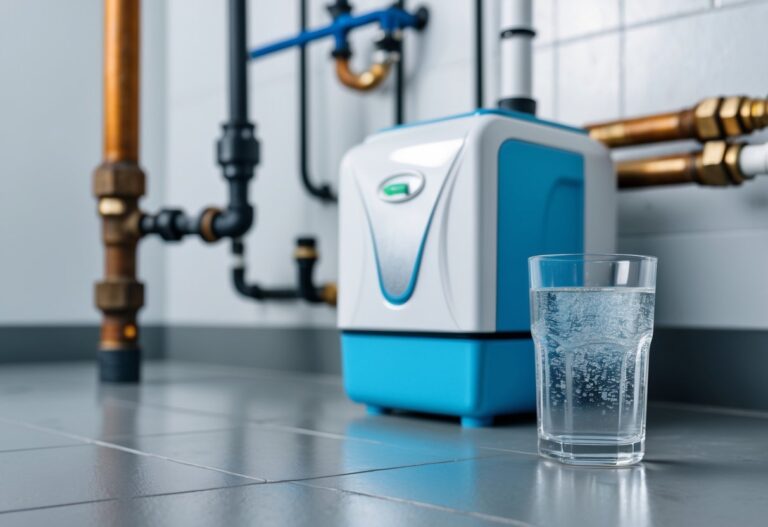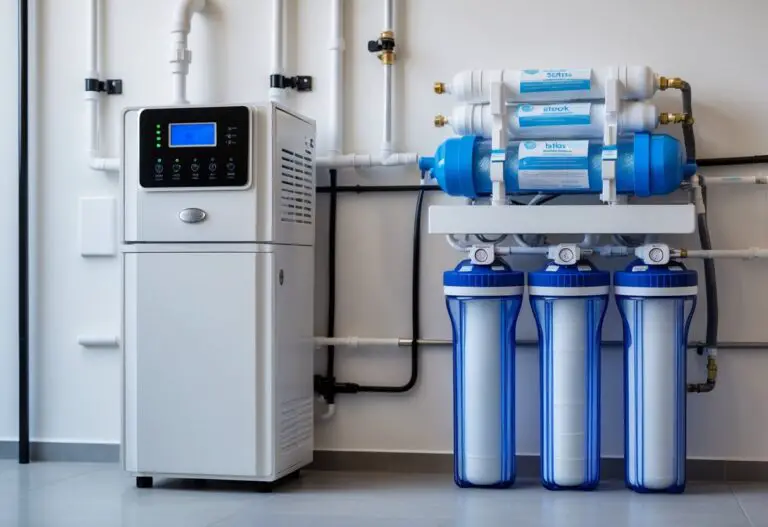

Many homeowners think installing a whole house filter solves all their water problems, but this common assumption can leave you dealing with stubborn soap scum, spotted dishes, and shortened appliance lifespans. You may still need a water softener even with a whole house filter because these systems address completely different water issues – filters remove contaminants while softeners eliminate hard water minerals like calcium and magnesium.
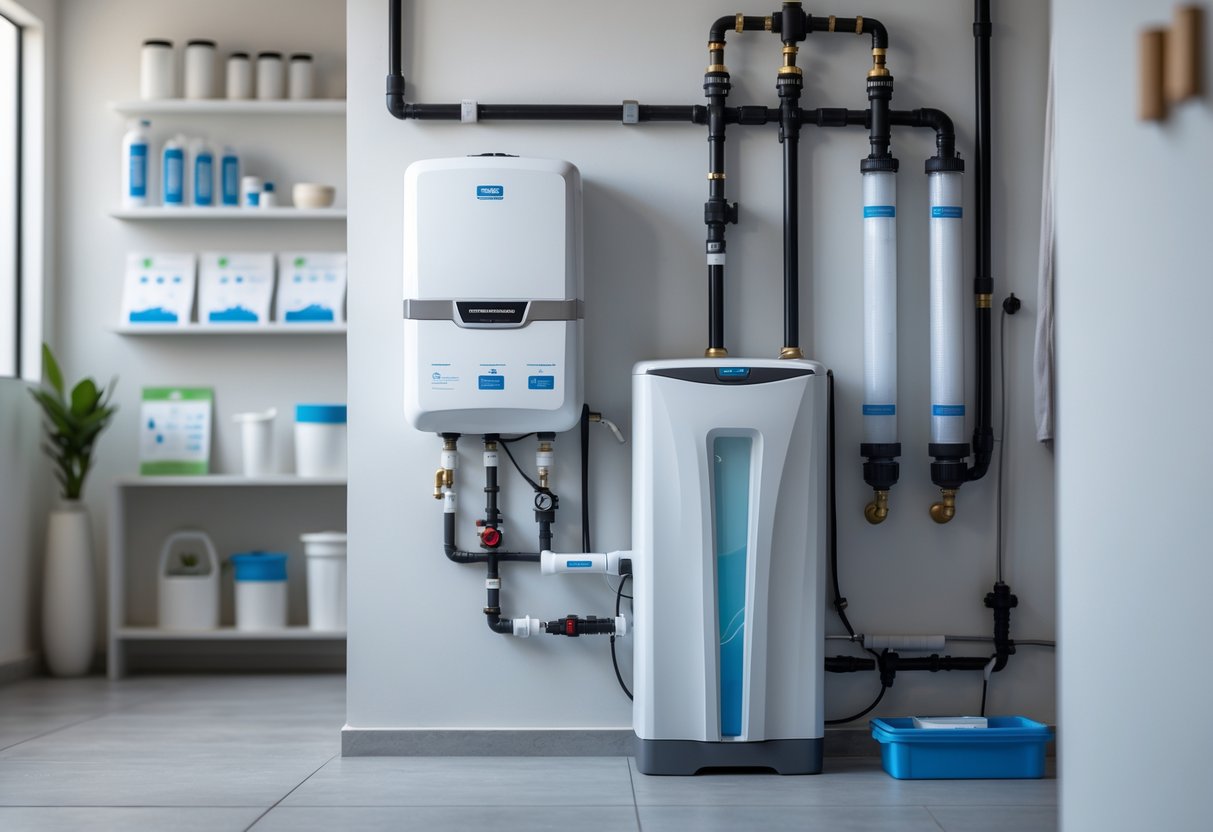
Understanding when you need one system versus both can save you thousands in appliance repairs and endless frustration with cleaning. Your water might be perfectly filtered yet still cause scale buildup throughout your home, or it could be soft but contain harmful chemicals that affect taste and health.
The decision depends entirely on your specific water quality issues, and getting it wrong means you’ll continue experiencing problems that the right combination of systems could easily solve.
Key Takeaways
- Water filters and softeners solve different problems and cannot replace each other’s functions
- You need both systems if your water has hardness minerals plus contaminants like chlorine or heavy metals
- Testing your water is essential to determine which treatment systems will actually address your specific issues
Key Differences Between Water Softeners and Whole House Filters
Water softeners and whole house water filters serve completely different purposes in water treatment. Water softeners remove calcium and magnesium minerals that create hard water, while whole house filters eliminate contaminants like chlorine, sediment, and chemicals to improve overall water quality.
How Water Softeners Work
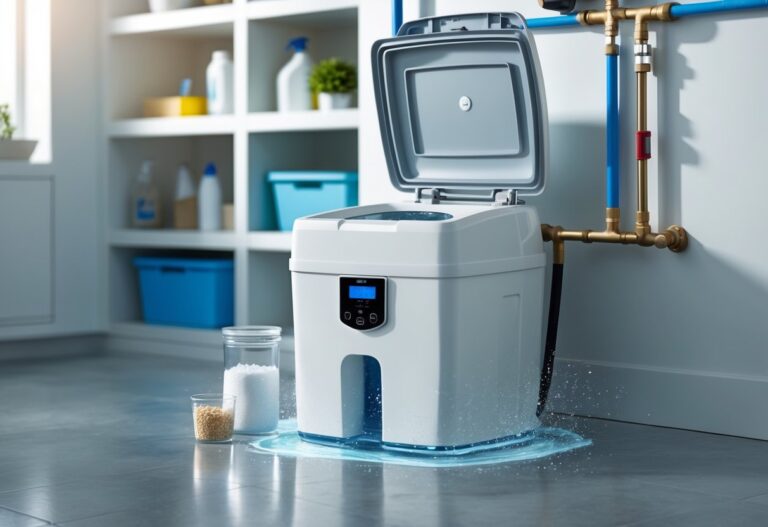
A water softener uses ion exchange technology to remove calcium and magnesium from your water supply. The system contains special resin beads that attract and capture these hard water minerals.
When hard water flows through the resin tank, the beads grab calcium and magnesium ions. They replace them with sodium or potassium ions instead.
This process turns hard water into soft water. The minerals that cause scale buildup in your pipes and appliances get removed before water reaches your faucets.
Most water softeners need salt to regenerate the resin beads. During regeneration, salt water washes away the collected minerals so the beads can capture more calcium and magnesium.
Key components of a water softener:
- Resin tank with ion exchange beads
- Brine tank for salt storage
- Control valve for regeneration cycles
How Whole House Filters Operate
Whole house water filters use different methods to remove various contaminants from your entire water supply. These systems install at your main water line to treat all water entering your home.
Common filtration methods include:
- Activated carbon filters that remove chlorine and volatile organic compounds
- Sediment filters that catch dirt, rust, and sand particles
- UV purifiers that kill bacteria and viruses
Multi-stage systems combine several filter types for better water treatment. Water flows through each filter stage, removing different types of contaminants along the way.
Unlike water softeners, these filters don’t change the mineral content of your water. They focus on removing harmful chemicals, sediment, and other impurities that affect taste and safety.
Filter cartridges need regular replacement to maintain effectiveness. Different filter types have different lifespans based on your water quality and usage.
Water Softening vs Filtration: What Each Removes
Water softeners and whole house filters target completely different water problems. Understanding what each system removes helps you choose the right solution for your needs.
Water softeners remove:
- Calcium minerals
- Magnesium minerals
- Iron in some cases
- Hard water scale formation
Whole house filters remove:
- Chlorine and chlorine taste
- Sediment and rust particles
- Volatile organic compounds
- Heavy metals like lead
- Bacteria and viruses (with UV systems)
- Chemical contaminants
Water softening only addresses hard water issues. It won’t improve taste, remove chlorine, or eliminate other contaminants.
Water filtration improves overall water quality but doesn’t soften hard water. Your water will still contain calcium and magnesium after filtration.
| System Type | Primary Purpose | What It Removes | What It Doesn’t Remove |
|---|---|---|---|
| Water Softener | Eliminate hard water | Calcium, magnesium | Chlorine, sediment, chemicals |
| Whole House Filter | Remove contaminants | Chemicals, sediment, chlorine | Hard water minerals |
Do You Still Need a Water Softener with a Whole House Filter?
Most whole house water filters don’t remove calcium and magnesium minerals that cause hard water problems. You may still need both systems depending on your water source and specific water quality issues.
Limitations of Whole House Filters on Hardness
Whole house water filters focus on removing contaminants like chlorine, sediment, and chemicals. They don’t address water hardness caused by calcium and magnesium minerals.
Standard whole house filters cannot:
- Remove calcium and magnesium ions from water
- Prevent limescale buildup on fixtures and appliances
- Stop scale formation in water heaters
- Eliminate soap scum and white spots on dishes
Carbon filters remove chlorine taste and odor. Sediment filters trap dirt and particles. Neither affects the mineral content that makes water hard.
Your tap water can taste great and look clear after filtration. But you’ll still see limescale buildup in your shower, dishwasher, and pipes if hardness minerals remain.
Water hardness levels above 3.5 grains per gallon cause noticeable problems. A whole house water filter won’t change this number at all.
When Both Systems Are Necessary
You need both a water filter and water softener when your water contains hardness minerals plus other contaminants. This combination is common in many areas.
Install both systems if you have:
- Hard water above 3.5 GPG plus chlorine taste
- Scale buildup and sediment problems
- Well water with minerals and bacteria
- Municipal water with hardness and chemical treatment
The water filter should go first to protect your water softener. Chlorine can damage the resin beads inside softener tanks. Installing the filter upstream removes chlorine before it reaches the softener.
Some areas have very hard water with high contamination levels. Your municipal water might contain 15 GPG hardness plus chlorine and lead. Only using both systems addresses all these issues completely.
Water Sources and Hardness: Municipal vs Well Water
Municipal water often contains moderate hardness (5-10 GPG) plus chlorine for disinfection. Your city treats water for safety but doesn’t remove hardness minerals.
Many municipal supplies add chemicals that whole house filters remove:
- Chlorine for disinfection
- Fluoride for dental health
- Chloramines as secondary disinfectant
Well water typically has higher mineral content and hardness levels. Private wells can contain 15-25 GPG hardness plus iron, sulfur, and bacteria.
Well water hardness varies by location and rock formations. Areas with limestone bedrock produce very hard water. Your whole-house water filter removes sediment and bacteria but leaves calcium and magnesium untouched.
Test your water source to determine exact hardness levels and contamination. Municipal water reports show average hardness for your area. Well water needs professional testing for accurate results.
Selecting and Combining Water Treatment Systems
The right water treatment approach depends on your specific water chemistry and quality issues. Testing helps you choose between ion exchange softeners, TAC systems, or combined filtration and softening solutions.
Assessing Your Water Quality Needs
Test your water before selecting any treatment system. Hard water levels above 3.5 GPG require softening solutions. Chemical tastes or odors indicate filtration needs.
Key testing priorities:
- Hardness minerals (calcium and magnesium)
- Chlorine and chemical contaminants
- Heavy metals like lead or iron
- Total dissolved solids (TDS levels)
You can request a water quality report from your local water authority if you use city water. Well water users need comprehensive testing kits.
Document specific problems you notice. White spots on dishes and dry skin suggest hard water. Metallic tastes or rotten egg odors point to filtration requirements.
Consider seasonal water changes. Some areas experience higher mineral content during certain months.
Choosing Between Ion Exchange and TAC Systems
Ion exchange water softeners use salt to remove hardness minerals completely. The resin tank exchanges calcium and magnesium for sodium ions. You must refill the brine tank with salt regularly.
TAC water conditioners crystallize hardness minerals without removing them. These salt-free systems prevent scale buildup but don’t produce truly soft water.
Ion exchange works best for:
- Very hard water (over 10 GPG)
- Severe scale problems
- Soap efficiency concerns
TAC systems suit homes with:
- Moderate hardness (3-10 GPG)
- Salt intake restrictions
- Low maintenance preferences
Ion exchange systems need more space for the pressure tank and brine tank setup. TAC units are typically smaller and require less plumbing work.
Benefits of Integrated Filtration and Softening
Combined systems address both hardness and contaminant issues simultaneously. Install a whole-house filtration system before your water softener to protect the resin from chlorine damage.
Filtration extends softener resin life significantly. Chlorine breaks down ion exchange resins over time. Pre-filtration prevents this expensive damage.
Integration advantages:
- Complete water treatment in one setup
- Lower long-term costs through system protection
- Better water quality throughout your home
- Simplified maintenance schedules
Reverse osmosis systems work well after softening for drinking water. Soft water improves RO membrane performance and lifespan.
Some manufacturers offer combined units. These space-saving options include both filtration and softening in single cabinets.
Placement and Installation Considerations
Install water softeners at your main water line’s point of entry, before the water heater. This protects all plumbing and appliances from hard water damage.
Place whole-house filtration systems upstream from softeners when combining systems. This order protects the softener resin from chlorine and extends its life.
Installation requirements:
- Adequate floor space for tanks and equipment
- Electrical outlets for control heads
- Drain access for backwashing cycles
- Bypass valves for maintenance needs
Consider your home’s water pressure. Multiple treatment systems can reduce flow rates. Check manufacturer specifications for pressure requirements.
Leave service space around all equipment. You need access to refill salt, change filters, and perform routine maintenance on both systems.
Maintenance, Cost, and Other Considerations
Water softeners typically cost $1,000-$3,000 plus ongoing salt expenses, while whole house filters need regular cartridge changes. Both systems protect appliances from damage and reduce energy costs over time.
Water Softener Cost and Upkeep
Water softeners require a bigger upfront investment than most filtration systems. Most homeowners pay between $1,000 and $3,000 for installation.
Your main ongoing expense is salt. You’ll spend $50-$200 per year on salt pellets depending on your water usage and hardness levels.
Monthly maintenance tasks include:
- Checking salt levels
- Adding salt when needed
- Cleaning the brine tank annually
The system needs professional service every 2-3 years. This costs $100-$300 but keeps your water softener running well.
Hard water levels affect your total costs. Very hard water uses more salt and requires more frequent maintenance than moderately hard water.
Filter System Maintenance
Whole house water filtration systems need regular filter changes to work properly. Most filters last 3-12 months depending on your water quality and usage.
Filter replacement costs vary by type:
- Sediment filters: $10-$30 each
- Carbon filters: $20-$60 each
- Specialty filters: $50-$150 each
You can change most filters yourself in 15-30 minutes. The system usually has indicator lights that tell you when filters need changing.
Some systems need annual professional maintenance. This costs $100-$200 but helps prevent problems and extends system life.
Environmental and Appliance Impacts
Water softeners remove minerals that cause limescale buildup in your hot water heater and other appliances. This keeps them running efficiently and lasting longer.
Clean water from both systems reduces soap scum in bathrooms and makes cleaning easier. Your appliances work better when they don’t fight against hard water minerals.
Water softeners add sodium to your water through the treatment process. People on low-sodium diets should consider this factor.
Filtration systems create less waste than bottled water but do require regular filter disposal. Most filters can go in regular trash.
Both systems can reduce your energy bills by protecting appliances and improving their efficiency.