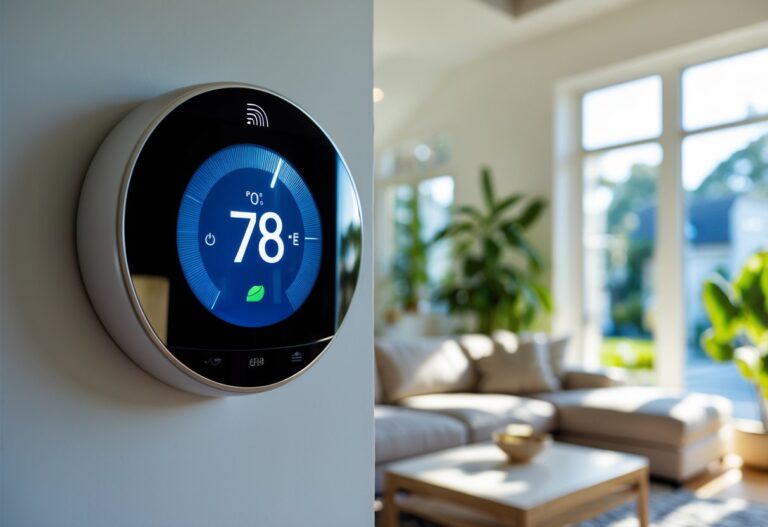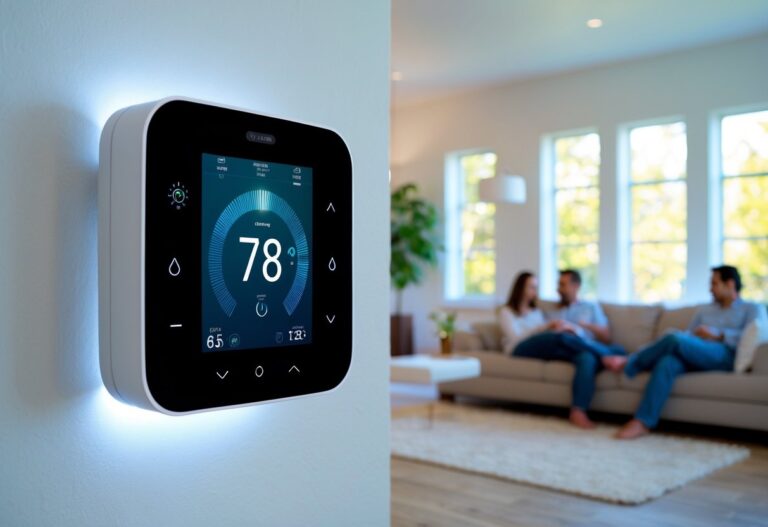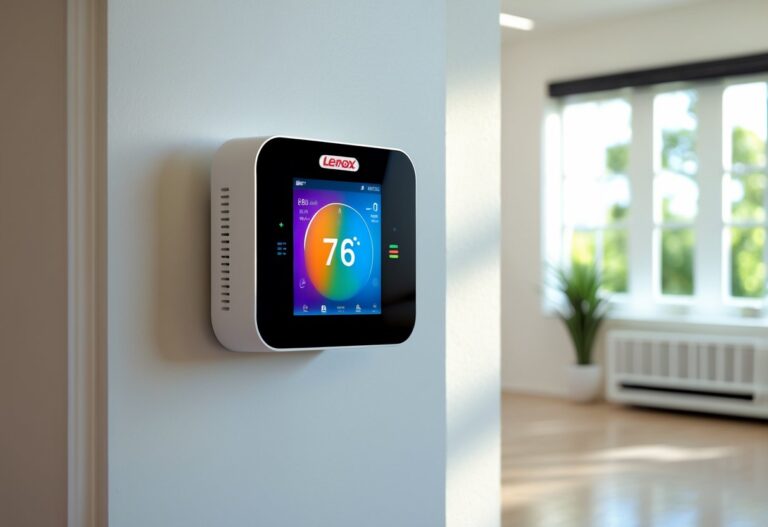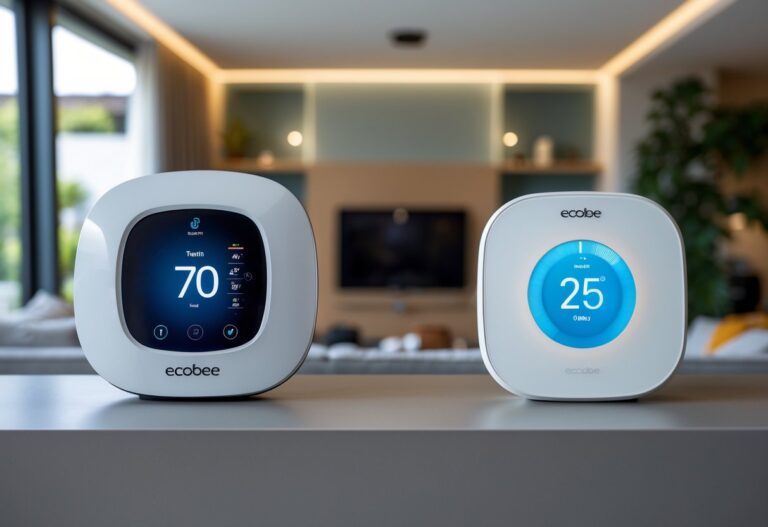

Thinking about upgrading your home’s comfort with a smart thermostat? It’s a common question if these modern devices can work with older furnaces, especially in houses that haven’t had HVAC updates in years. You can use a smart thermostat with an old furnace, but there are a few important details you need to check first.
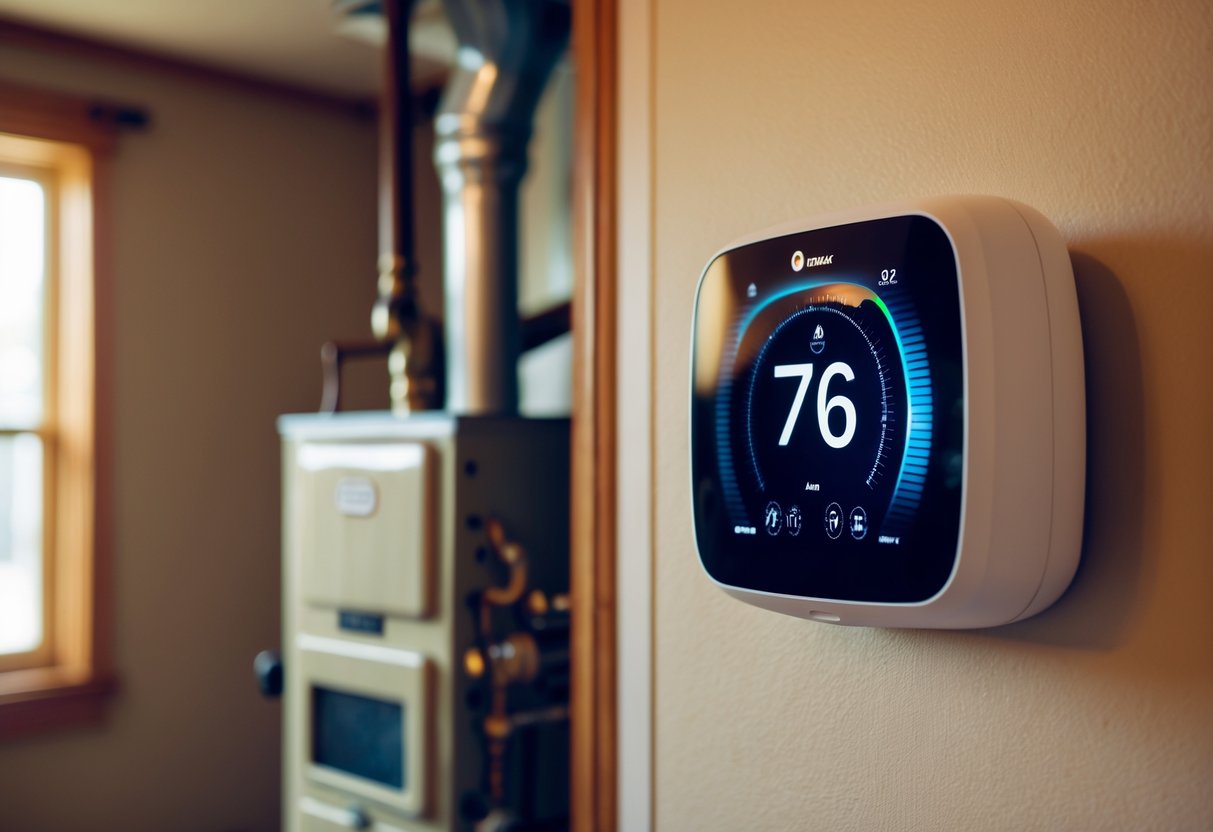
The answer is usually yes, but some older systems have wiring and compatibility quirks that can make installation tricky. The process might involve a little troubleshooting, and you may need extra equipment, but the rewards can include better control, smarter features, and more energy savings.
Key Takeaways
- Smart thermostats often work with older furnaces.
- You may need wiring updates for best performance.
- Compatibility checks help avoid issues.
Compatibility of Smart Thermostats With Old Furnaces
Smart thermostats can work with many old furnaces, but you need to look at several important factors before installing one. The furnace’s age and type, compatibility challenges, and wiring setup all play key roles in how well a smart thermostat will function with your system.
Identifying Furnace Age and Type
Start by checking the label or manual of your furnace to identify its model and installation year. Older furnaces—often over 20 years old—may use different technology than new ones.
Furnace types include gas, oil, and electric. Smart thermostats are generally compatible with most gas and electric furnaces. Oil furnaces can be trickier, and some smart thermostats do not support them.
Write down any information about your system’s brand, type, and serial number. This helps you check compatibility with specific smart thermostat models. Knowing your furnace’s heating system type (forced-air, radiant, or heat pump) also matters, as not all smart thermostats support every system.
Recognizing Common Compatibility Issues
Compatibility issues with old furnaces often appear in two main areas: voltage and control method. Most smart thermostats are built for low-voltage (24V) systems. Older or less common furnaces may use line-voltage (120V or 240V), which is not compatible.
Another key problem is the absence of necessary wires, especially the “C-wire” or common wire. The C-wire supplies continuous power, which many smart thermostats require for Wi-Fi and advanced features.
Common Issues Table:
| Issue | Impact | Solutions |
|---|---|---|
| No C-wire | Loss of features or power | Install adapter or run new wire |
| Line-voltage system | Incompatibility | Seek a compatible thermostat |
| Unsupported system type | Malfunction or limited use | Contact manufacturer/HVAC tech |
If your system lacks critical features, you may need an adapter or professional help.
Evaluating Wiring Requirements
Most smart thermostats need several wires, including power, heating, cooling, fan, and especially the C-wire. Older furnaces might not have all these connections. Pull the cover off your current thermostat and count the wires.
If you do not see a wire labeled “C”, your furnace might not provide it. Some brands offer power extender kits to fix this.
Make sure your wiring matches the requirements shown in the smart thermostat’s manual before buying. If you are unsure, a professional HVAC technician can inspect the wiring and confirm what your system supports. Using the right wiring setup ensures safe, reliable operation of your smart thermostat.
Wiring Challenges and Solutions
Many old furnaces have different wiring needs than modern systems. Installing a smart thermostat may require special attention to how your wires are set up, especially if your furnace lacks a common wire, or C wire.
Understanding the Role of the C Wire
The C wire stands for “common wire.” It’s used to provide constant power to your thermostat, which is important for running features like Wi-Fi and smart sensors.
Most old furnaces don’t come with a C wire. Without this wire, your smart thermostat may not stay powered or could lose its connection. The chart below shows how common wires connect to a thermostat:
| Wire Name | Usual Purpose |
|---|---|
| R | Power (Red) |
| W | Heat (White) |
| Y | Cooling (Yellow) |
| G | Fan (Green) |
| C | Common (Blue or Black) |
When you open your thermostat, look for a wire connected to the “C” terminal. If it’s missing, you’ll need to think about other options.
Smart Thermostat Options Without a C Wire
Some smart thermostats can run without a C wire. Certain models, like the Nest Thermostat, use a process called “power stealing,” which draws small amounts of power from other wires.
Other smart thermostats, such as some ecobee models, often include a Power Extender Kit (PEK). This kit makes it possible to connect your thermostat even if your furnace doesn’t have a C wire.
If you are shopping for a new smart thermostat, check the packaging or the manufacturer’s website for a note about “C wire required” or “works without C wire.” Always review the compatibility details before you buy.
Common Installation Workarounds
If your system doesn’t have a C wire, you have a few options:
- Install a C Wire: You or an HVAC technician can run a new wire from your furnace to your thermostat.
- Use a C Wire Adapter: Some companies offer adapters that let you create a virtual C wire with your existing wires.
- External Power Supply: In rare cases, you can use a plug-in power adapter to supply power directly to your smart thermostat.
Each method has pros and cons. A real C wire is most reliable, but adapters and kits work for many homes. If wiring feels overwhelming, contact a professional for advice and installation.
Performance Considerations by Furnace Type
The way a smart thermostat works with your furnace depends on the type of system you have. Different furnace types can affect what features you’ll be able to use and how well the thermostat controls your home’s temperature.
Single-Stage and Two-Stage Furnaces
Single-stage furnaces only have one setting—on or off. Most smart thermostats work well with these systems since the wiring and controls are simple and widely supported.
Two-stage furnaces have low and high heat settings. Many smart thermostats support two-stage control, but you must check that yours does. If a smart thermostat is not matched to a two-stage furnace, you might lose the efficiency benefits of the extra stage.
Wiring is important. Two-stage systems often need extra wires for full control. Some smart thermostats use adapters if your furnace wiring is missing these.
Key Points:
- Most smart thermostats support single-stage.
- Two-stage support is common, but always verify.
- Use manufacturer compatibility tools or check your furnace manual.
Modulating Furnace Compatibility
Modulating furnaces adjust their output in small steps to match your home’s needs. These furnaces offer precise temperature control and higher energy efficiency, but they are more complex.
Many smart thermostats cannot fully use the advanced features of a modulating furnace. Most models only support single-stage or two-stage operation. If you use a standard smart thermostat, your modulating furnace may not modulate and could act like a basic furnace.
Some brands make proprietary thermostats designed for modulating systems. Using these is usually the best way to keep full functionality. Always check both your furnace and thermostat documentation for compatibility details before buying.
Table: Modulating Furnace Support
| Furnace Type | Standard Smart Thermostat | Proprietary Thermostat |
|---|---|---|
| Modulating | Partial/Not Full Use | Full Feature Support |
Potential Feature Limitations
While many smart thermostats add convenience, you may not get all their features with older furnaces.
A common issue is the need for a C-wire (common wire) to power Wi-Fi features. Many older systems lack this wire. Some thermostats can work with adapters, but not all functions may work without steady power.
Other advanced features, like remote temperature sensors and continuous fan control, might not work if your furnace does not support them. Voice assistant and smart home integrations typically depend on the smart thermostat, but certain furnace models or wiring limitations can reduce compatibility.
Check both your furnace type and wiring before purchase. Using an HVAC professional or compatibility checker helps avoid unwanted surprises.