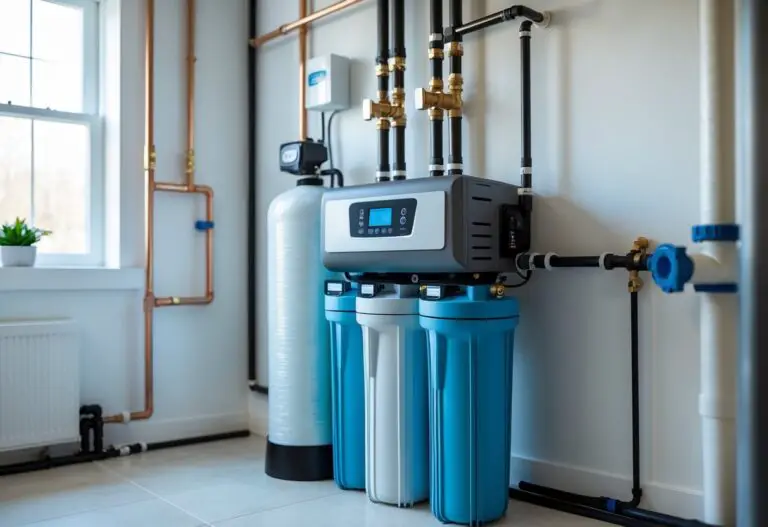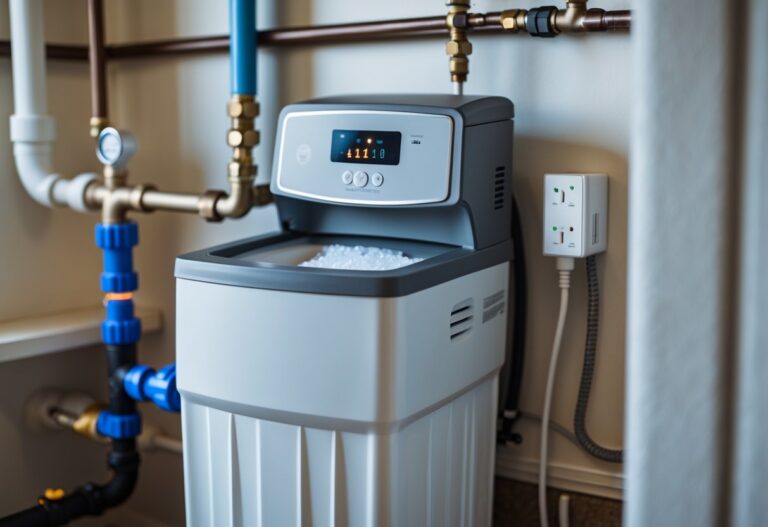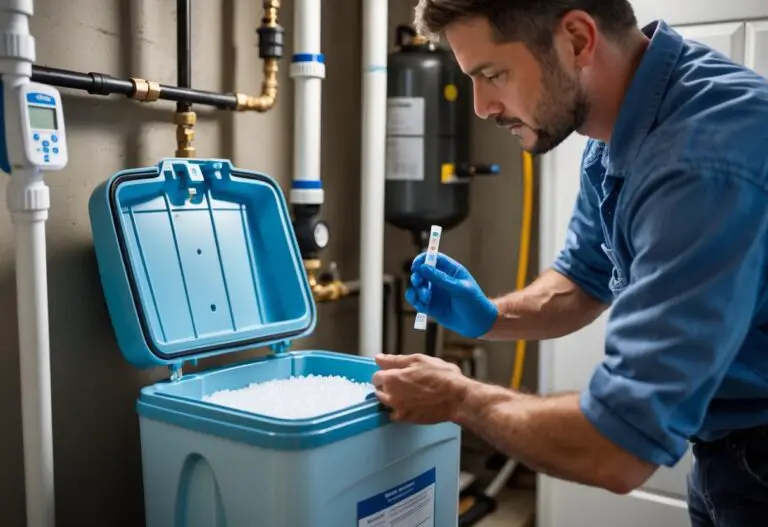

You might have noticed your water pressure isn’t quite what it used to be after installing a water softener. This common concern affects many homeowners who want the benefits of soft water but worry about losing the strong flow they’re used to in their showers and faucets.
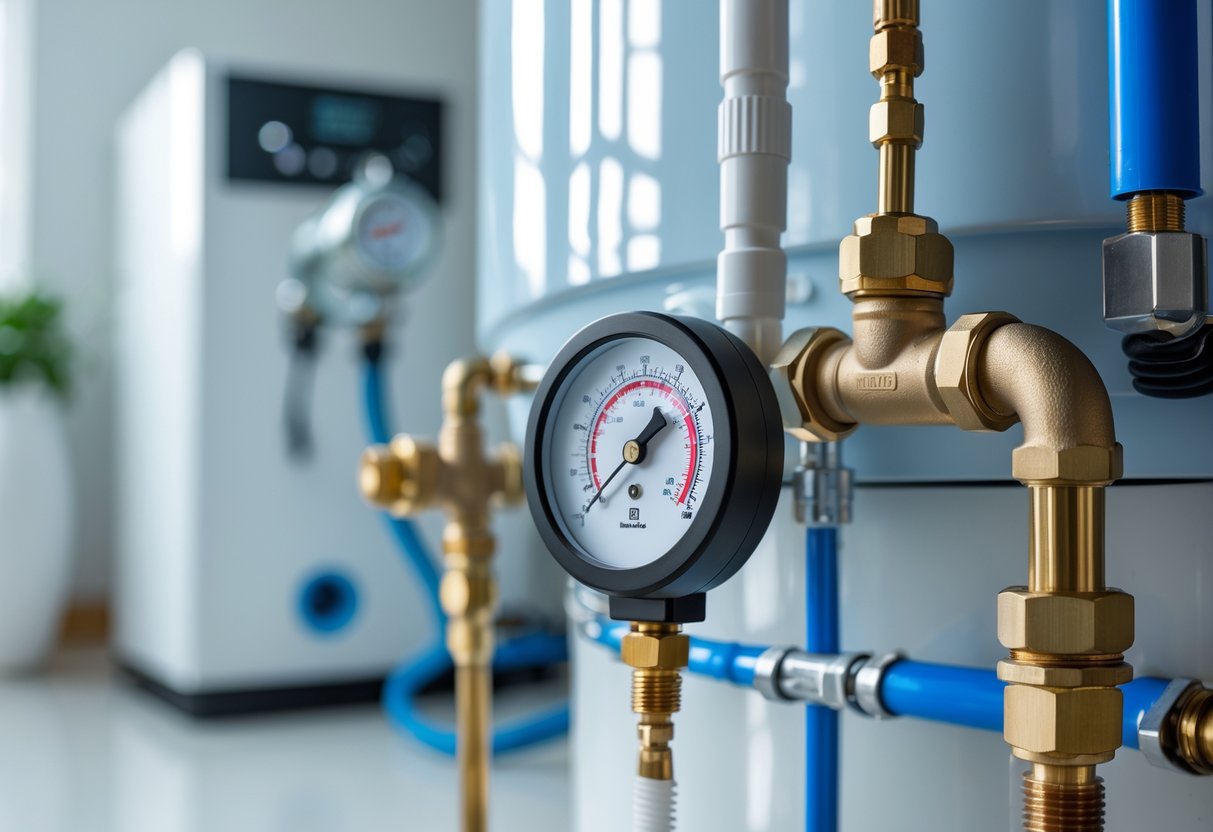
A properly sized and maintained water softener should not significantly reduce your water pressure. While the softening process does create a small pressure drop as water passes through the resin beads, this change should be barely noticeable in most homes. When pressure problems do occur, they’re usually caused by specific issues like clogged filters, incorrect sizing, or maintenance problems rather than the softener itself.
Understanding the real relationship between water softeners and pressure can help you enjoy soft water without sacrificing the flow you need. The key lies in knowing what causes pressure drops and how to prevent them.
Key Takeaways
- Water softeners create only a minor pressure drop when properly sized and maintained
- Most pressure problems come from clogged components, wrong sizing, or poor installation
- Regular maintenance and correct system sizing prevent most water pressure issues
How Water Softeners Influence Water Pressure
Water softeners create measurable changes to your home’s water pressure through mechanical processes and system design factors. The degree of pressure impact depends on your specific equipment type, installation quality, and maintenance practices.
Ion Exchange and Flow Resistance
The ion exchange process creates natural resistance as water moves through resin beads inside your softener tank. These tiny beads capture calcium and magnesium minerals while releasing sodium ions.
Your water must flow around millions of these resin beads. This creates friction that reduces pressure by 2-5 PSI in most systems.
The resin bed depth affects resistance levels. Deeper beds remove more minerals but create greater pressure drops. Standard residential systems use 12-18 inches of resin depth.
Flow resistance increases when:
- Resin beads become compacted
- Sediment builds up in the tank
- Iron or other contaminants coat the resin
Regular backwashing helps maintain proper flow by loosening packed resin beads. This process happens automatically during regeneration cycles.
Pressure Drop in Water Softener Systems
Every water softener system causes some pressure drop as water passes through internal components. Normal pressure loss ranges from 3-8 PSI for properly sized units.
Your system’s pressure drop depends on these factors:
| Component | Typical Pressure Loss |
|---|---|
| Resin tank | 2-5 PSI |
| Control valve | 1-2 PSI |
| Distribution tubes | 0.5-1 PSI |
Undersized systems create excessive pressure drops. A softener too small for your home forces water through at higher velocities, increasing resistance.
Clogged components multiply pressure loss problems. Blocked distributor screens or damaged internal parts can drop pressure by 10-15 PSI or more.
Impact of Water Flow Rates
Your water flow rate directly affects how much pressure drop occurs across the softener system. Higher flow rates create greater pressure losses through increased friction.
Peak demand periods like morning showers stress your system most. Multiple fixtures running simultaneously can reveal pressure problems not noticed during low-flow use.
Flow rates above your system’s capacity cause significant pressure drops. Most residential softeners handle 8-12 gallons per minute effectively.
Optimal flow management includes:
- Sizing softeners for peak household demand
- Installing bypass valves for maintenance
- Monitoring pressure during high-use periods
Regeneration cycles temporarily reduce available flow. Some systems maintain partial flow during regeneration while others stop completely.
Types of Water Softeners and Pressure Effects
Salt-based ion exchange softeners create the most noticeable pressure changes due to resin bed resistance. These systems offer the best mineral removal but require proper sizing to minimize pressure impact.
Salt-free conditioners cause minimal pressure drop since they don’t remove minerals. Instead, they change mineral structure to reduce scale formation. Your pressure stays nearly unchanged with these systems.
Dual-tank systems maintain consistent pressure during regeneration. One tank stays in service while the other regenerates, preventing pressure interruptions.
Cabinet-style softeners fit in smaller spaces but may have higher pressure drops. The compact design forces water through tighter pathways than larger tank systems.
Magnetic and electronic water conditioners attach to pipes without interrupting flow. These systems create zero pressure drop but offer limited effectiveness compared to traditional softeners.
Common Causes of Pressure Loss Linked to Water Softeners
Water softeners can reduce water pressure through several mechanical problems that restrict water flow. These issues typically involve blocked resin beds, salt-related problems in the brine tank, mineral deposits, and timing problems with the cleaning cycles.
Resin Bed Compaction and Fouling
The resin bed is the heart of your water softener system. Over time, the tiny resin beads can get packed down tightly or become dirty with sediment.
Compaction happens when resin beads press together too much. This creates less space for water to flow through. You’ll notice weaker water pressure throughout your home.
Fouling occurs when dirt, sand, and other particles stick to the resin beads. Well water often contains fine sand that coats the beads. City water can bring in sediment from old pipes.
Iron and manganese are common culprits that make fouling worse. These metals create a slimy coating on resin beads. The coating blocks water flow and reduces pressure.
Signs of resin bed problems:
- Gradual pressure loss over weeks or months
- Pressure gets worse during heavy water use
- Water tastes different or feels less soft
Regular resin bed cleaning with special cleaners can help. Some cases require complete resin replacement if the damage is too severe.
Salt Bridges and Brine Tank Issues
Your brine tank mixes salt and water to clean the resin bed. Problems here can mess up the whole system and cause pressure drops.
A salt bridge forms when salt hardens into a crusty layer above the water. This prevents proper salt mixing during regeneration cycles. Without enough salt solution, the resin bed can’t clean itself properly.
Hard salt bridges block the regeneration process completely. Your resin bed stays dirty and restricts water flow more and more.
Common brine tank problems:
- Salt bridges from humidity or wrong salt type
- Clogged brine line connections
- Broken float switches
- Old salt that has turned into mush
Check your brine tank monthly by pushing a broom handle down through the salt. It should reach water at the bottom easily. If you hit a hard layer, you have a salt bridge that needs breaking up.
Use the right type of salt for your system. Avoid rock salt, which leaves more residue.
Mineral Buildup and Scale Formation
Hard water minerals don’t just disappear when your softener removes them. Sometimes they build up inside the softener itself.
Scale formation happens when calcium and carbonate create hard deposits. These deposits stick to pipes, valves, and internal parts of your softener.
The bypass valve and control head are common spots for mineral buildup. Even small amounts of scale can reduce water flow significantly.
Iron buildup is especially problematic. It creates reddish-brown deposits that are harder to remove than regular scale. Iron also makes other minerals stick better.
High water pressure makes mineral buildup worse. Most softeners work best at 60-80 psi. Higher pressure forces minerals into tiny spaces where they harden.
Prevention steps:
- Keep water pressure under 100 psi
- Use iron-removing salt if you have iron problems
- Clean the system annually with acid-based cleaners
Frequent or Disrupted Regeneration Cycles
The regeneration cycle cleans your resin bed with salt water. Problems with this cycle can cause pressure issues.
Too-frequent regeneration wastes salt and water. More importantly, it can compact the resin bed over time. Each cycle forces high-pressure brine through the resin.
Disrupted cycles leave the resin bed partially dirty. This happens when power goes out or the timer malfunctions. Partially regenerated resin doesn’t work as well and restricts flow.
Wrong cycle timing also causes problems. If regeneration happens during peak water use, you get low pressure when you need it most.
Cycle-related pressure problems:
- Pressure drops right after regeneration
- Inconsistent pressure at different times
- Pressure that slowly gets worse between cycles
Check your regeneration schedule matches your water use patterns. Most homes do best with overnight regeneration every few days.
Plumbing System and Installation Factors Affecting Pressure
Your home’s pipe size, bypass valve function, and softener placement directly control water flow and pressure throughout your plumbing system. These installation factors determine whether your water softener helps or hurts your water pressure.
Pipe Diameter and System Layout
The size of your pipes plays a major role in water pressure after softener installation. Standard 3/4-inch pipes work best for most water softener systems.
Smaller 1/2-inch pipes create more resistance. This reduces water flow and pressure throughout your home.
Your plumbing system layout also affects pressure. Long pipe runs between your softener and fixtures reduce pressure. Sharp bends and turns in pipes slow water flow.
Key pipe factors:
- Use 3/4-inch pipes for main softener connections
- Keep pipe runs as short as possible
- Minimize sharp turns and bends
- Install softener close to main water line
Old galvanized pipes often have mineral buildup inside. This buildup narrows the pipe opening and reduces pressure even more after softener installation.
Bypass Valve Operation
Your bypass valve lets you test if your water softener causes pressure problems. This valve sends water around the softener instead of through it.
Turn the bypass valve to redirect water flow. If your pressure goes back to normal, your softener needs attention.
A partially closed bypass valve reduces water pressure. Check that your valve is fully open during normal operation.
Bypass valve testing steps:
- Turn bypass valve to redirect water
- Test water pressure at multiple faucets
- Compare pressure with softener on and off
- Check valve position is fully open
Some bypass valves get stuck or fail over time. Replace faulty bypass valves to restore proper water flow through your plumbing systems.
Water Softener Sizing and Placement
An undersized water softener system creates pressure drops during high water use times. Your softener must match your home’s peak water demand.
Sizing factors:
- Number of people in household
- Daily water usage patterns
- Peak flow rate needs
- Grain capacity requirements
Install your softener after pressure tanks but before water heaters. This placement protects the unit and maintains good pressure.
Place your softener near your main water line. Long pipe runs from the main line to your softener reduce pressure.
Your water softener system needs 5-7 gallons per minute for backwash cycles. Make sure your plumbing system can handle this flow rate without pressure loss.
Maintenance and Troubleshooting for Optimal Water Pressure
Testing your water pressure with a gauge helps identify issues early, while regular resin bed cleaning prevents clogs that cause pressure loss. Post-installation pressure problems often require specific diagnostic steps to restore proper flow.
Using a Pressure Gauge for Testing
A pressure gauge is your best tool for measuring water pressure accurately. Attach the gauge to a faucet or hose spigot near your water softener to get baseline readings.
Normal water pressure should read between 40-70 PSI. Readings below 40 PSI indicate low pressure problems that need attention.
Test pressure both before and after your water softener. Put your system in bypass mode and take a reading. Then switch back to normal operation and test again.
If pressure drops significantly when the softener is active, the problem lies within your system. A drop of more than 10 PSI suggests internal blockages or sizing issues.
Check pressure at different times of day. Morning readings may differ from evening ones due to household usage patterns.
Keep a log of your readings. This helps track changes over time and spot developing problems before they become serious.
Routine Resin Bed Cleaning and Inspection
Resin bed cleaning prevents mineral buildup that causes pressure loss. Clean your resin bed every 3-6 months depending on water hardness levels.
Use a resin bed cleaner designed for your system type. Follow the manufacturer’s instructions for proper dilution and contact time.
Remove the resin tank cover carefully. Look for signs of fouling like brown or black discoloration on the resin beads.
Backwash the system thoroughly before adding cleaner. This removes loose debris that could interfere with the cleaning process.
After cleaning, run several regeneration cycles to flush out all cleaning solution. Test water quality before normal use resumes.
Replace resin beds every 10-15 years or sooner if cleaning no longer restores performance. Old resin loses its ability to exchange ions effectively.
Diagnosing Pressure Problems Post-Installation
New water softener installations sometimes cause pressure loss due to improper sizing or installation errors. Start by checking all connections for leaks or restrictions.
Verify your softener matches your household’s flow rate requirements. An undersized unit creates bottlenecks that reduce pressure throughout your home.
Check the bypass valve position. Make sure it’s fully open to allow maximum flow through the softener during normal operation.
Examine sediment filters for clogs. New installations can stir up pipe debris that blocks filters quickly.
Look for kinked or compressed pipes near the installation area. Improper pipe routing can create pressure-reducing restrictions.
Test individual fixtures to isolate the problem. If only certain faucets have low pressure, the issue may be localized rather than system-wide.