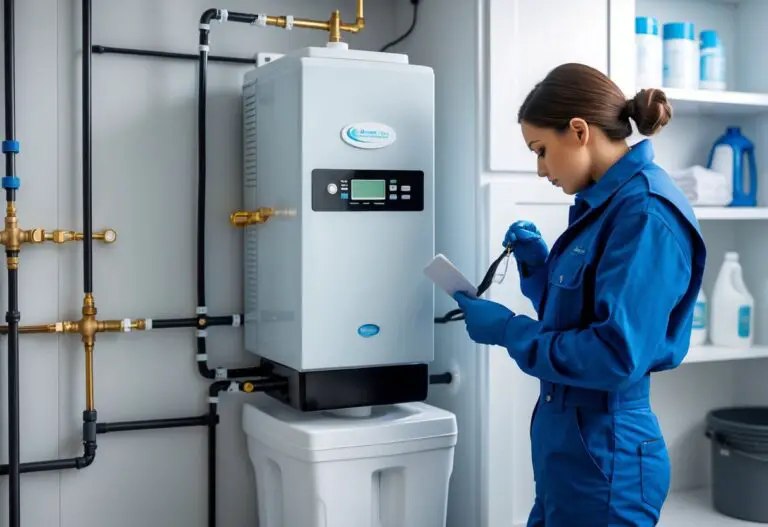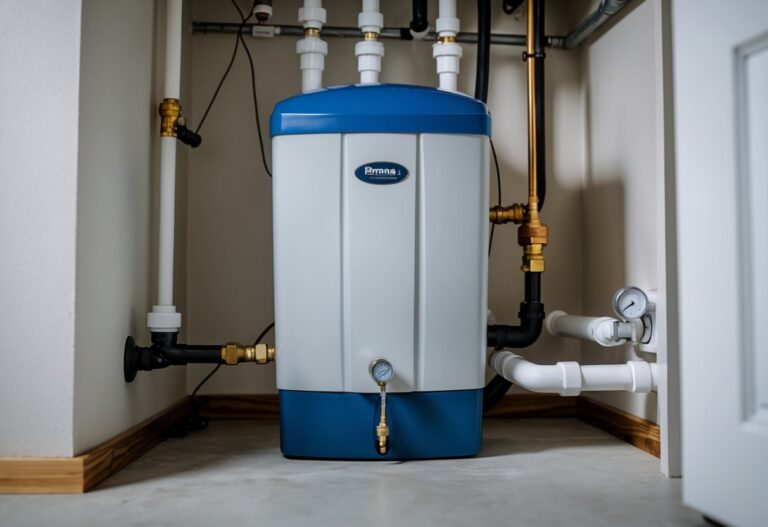

Hard water can damage your appliances and leave spots on dishes, while tap water contaminants affect taste and health. You need a solution that tackles both problems at once rather than buying separate systems that take up extra space and cost more money.
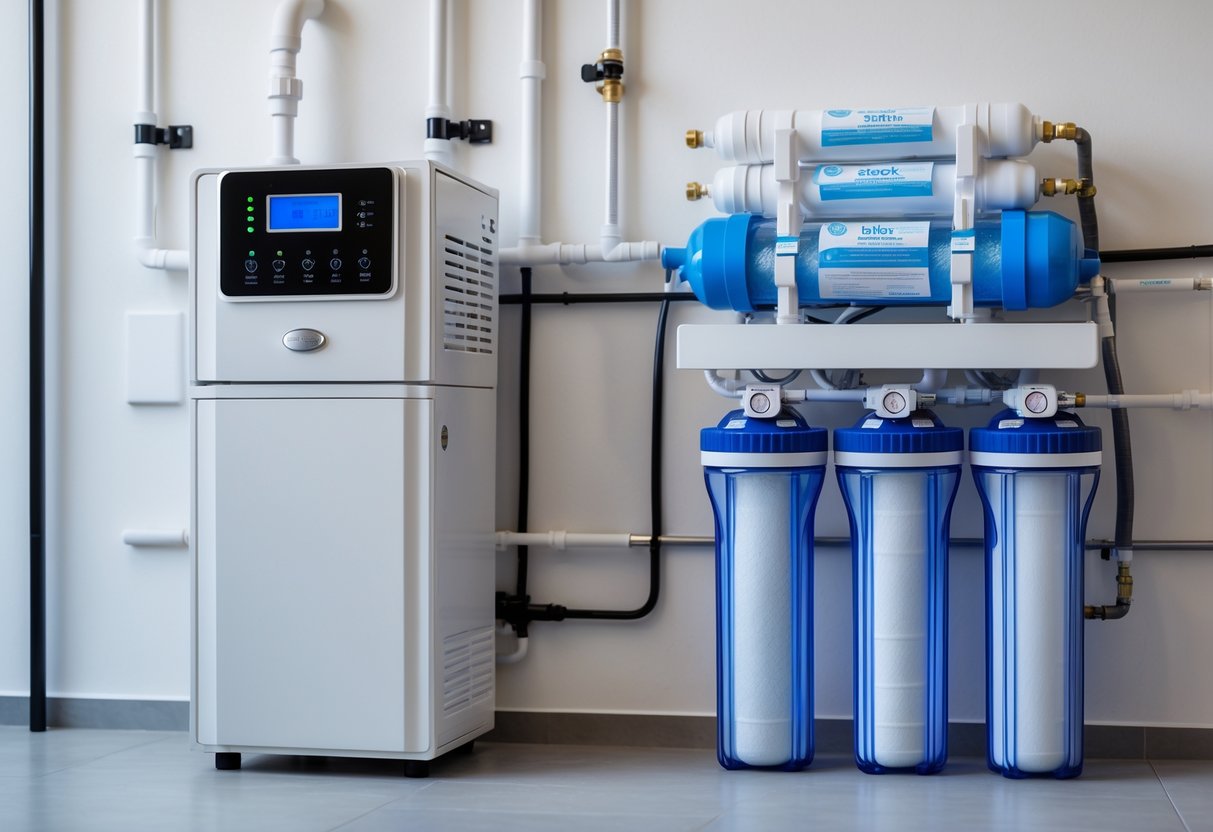
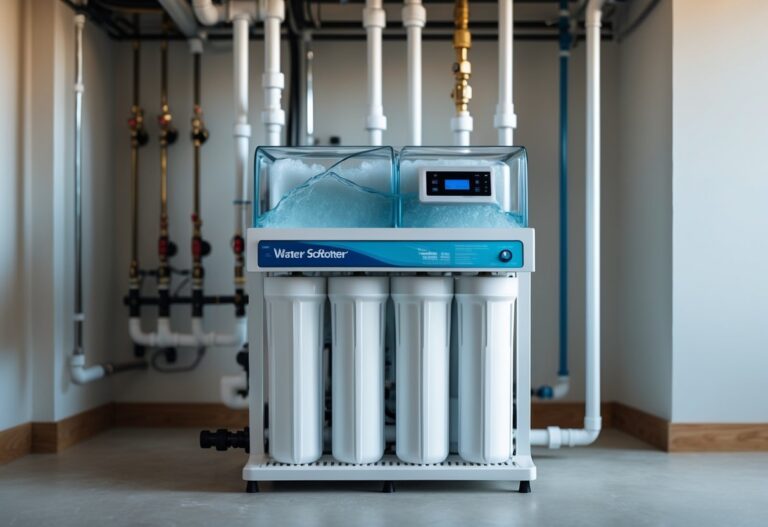
The best water softener with reverse osmosis systems combine salt-based softening technology with multi-stage RO filtration to remove hard minerals throughout your home while providing purified drinking water at your kitchen sink. These dual systems protect your plumbing and appliances from scale buildup while eliminating contaminants like chlorine, lead, and bacteria from your drinking water.
Choosing the right combination system depends on your water hardness level, household size, and budget. Systems range from $800 to $2000, with mid-range options around $1200 offering the best value for most families.
Key Takeaways
- Combined water softener and reverse osmosis systems solve both hard water and contamination problems in one complete solution
- These systems protect your home’s plumbing while providing clean drinking water, saving money on appliance repairs and bottled water
- Quality combination systems cost between $1000-$1500 and can last 10-20 years with proper maintenance
How Water Softeners With Reverse Osmosis Work
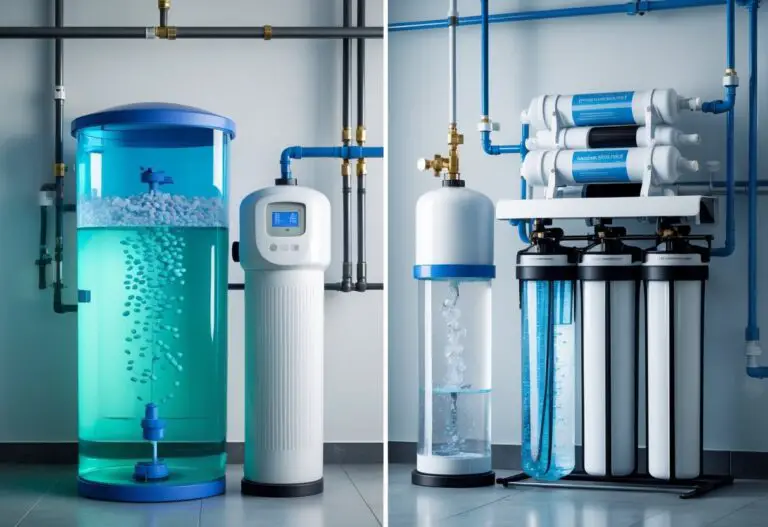
These systems combine two water treatment methods to tackle both hard water minerals and harmful contaminants. The water softener removes calcium and magnesium first, while the reverse osmosis system filters out smaller impurities.
Reverse Osmosis Filtration Process
Reverse osmosis systems use water pressure to push water through multiple filter stages. The process starts with pre-filters that remove larger particles like dirt and chlorine.
Water moves through several stages of filtration. Pre-filters catch bigger contaminants first. Then the water reaches the main RO membrane.
The system applies pressure to force water molecules through the semi-permeable membrane. This pressure ranges from 35 to 100 PSI in most home systems.
Clean water passes through the membrane into a storage tank. The filtered water stays there until you need it. Contaminated water gets flushed down the drain as waste.
Key stages include:
- Sediment pre-filter
- Carbon pre-filter
- RO membrane filtration
- Post-carbon filter
- Storage tank
Role of the RO Membrane and Semi-Permeable Membrane
The reverse osmosis membrane is the heart of water purification. This semi-permeable membrane has tiny pores that measure 0.0001 microns across.
These pores are so small that only water molecules can pass through. Most contaminants are much larger than the pores. They get blocked and washed away.
The RO membrane removes up to 99% of dissolved solids from water. It blocks bacteria, viruses, heavy metals, and chemicals. Salt, fluoride, and nitrates also get filtered out.
What the membrane blocks:
- Heavy metals like lead and mercury
- Bacteria and viruses
- Dissolved salts
- Chemical contaminants
- Pesticides and herbicides
The membrane needs regular replacement every 2-3 years. Hard water can damage the membrane faster without a water softener.
Difference Between Softening and Purification
Water softeners and reverse osmosis systems work in completely different ways. Softening removes specific minerals through ion exchange. Purification filters out a wide range of contaminants.
Water softeners target calcium and magnesium ions. They swap these hard minerals for sodium ions using resin beads. This stops scale buildup in pipes and appliances.
Reverse osmosis focuses on water purification for drinking and cooking. It removes contaminants but doesn’t specifically target hardness minerals. RO systems can remove some calcium and magnesium but aren’t designed for hard water treatment.
Softening process:
- Uses ion exchange resin
- Removes calcium and magnesium
- Adds small amounts of sodium
- Protects plumbing and appliances
Purification process:
- Uses physical filtration
- Removes many types of contaminants
- Produces clean drinking water
- Protects your health
Common Water Contaminants Removed
Combined systems remove both hardness minerals and health-threatening contaminants. The water softener handles scale-causing minerals first. Then the RO system tackles remaining impurities.
Hard water minerals removed by softener:
- Calcium
- Magnesium
- Iron
- Manganese
Contaminants removed by reverse osmosis:
- Lead and mercury
- Chlorine and chloramines
- Bacteria and viruses
- Nitrates and sulfates
- Pesticides and herbicides
- Total dissolved solids (TDS)
The two-stage approach protects both your health and your home. Soft water prevents damage to the RO membrane. Clean water from the RO system removes any sodium added during softening.
Water contaminants vary by location and source. Well water often has more minerals and bacteria. City water usually contains chlorine and may have lead from old pipes.
Benefits of Combined Systems
Water softener and reverse osmosis systems work together to tackle multiple water problems at once. These combined systems deliver superior water quality while protecting your home’s plumbing and appliances from damage.
Water Quality and Taste Improvements
Your drinking water transforms dramatically when you combine softened water with reverse osmosis filtration. The water softener removes calcium and magnesium that cause water hardness, while the RO system eliminates chlorine, lead, pesticides, and other water contaminants.
This dual approach creates water that tastes clean and fresh. Hard water often has a metallic or mineral taste that disappears with proper softening. The reverse osmosis system then removes chlorine and other chemicals that cause unpleasant odors or flavors.
You’ll notice the difference immediately in your coffee, tea, and cooking. Soft, filtered water allows beverages to taste as intended without mineral interference. Ice cubes become crystal clear instead of cloudy.
The water filtration process removes up to 99% of dissolved solids. This includes harmful substances like fluoride, nitrates, and heavy metals that municipal treatment plants may miss.
Protection for Plumbing and Appliances
Hard water causes serious damage to your home’s plumbing system and water-using appliances. Scale buildup from calcium and magnesium clogs pipes and reduces water flow over time.
Your water heater works much harder with hard water. Scale deposits act as insulation, forcing the heating elements to work longer and use more energy. Softened water prevents this buildup and extends your water heater’s life by several years.
Dishwashers, washing machines, and ice makers all benefit from soft water treatment. These appliances run more efficiently and require fewer repairs when protected from mineral deposits.
Key appliance benefits include:
- Longer lifespan for water heaters
- Better dishwasher performance
- Cleaner laundry results
- Reduced maintenance costs
Your pipes stay cleaner with soft water flowing through them. This maintains proper water pressure throughout your home and prevents costly plumbing repairs.
Health and Lifestyle Advantages
Combined home water treatment systems provide multiple health and daily life benefits. Your skin and hair feel softer after showering with softened water. Hard water leaves soap residue that can irritate sensitive skin.
Soft water requires less soap and shampoo to create a good lather. You’ll use 50% less cleaning products throughout your home. Dishes come out spot-free, and your clothes stay brighter longer.
The reverse osmosis component removes potential health concerns from your drinking water. Lead, bacteria, and other harmful contaminants get filtered out before reaching your glass.
Daily life improvements include:
- Softer skin and hair
- Reduced soap and detergent usage
- Cleaner dishes and laundry
- Better-tasting drinking water
You’ll save money on bottled water since your tap water becomes safe and delicious. Most families spend $500 or more yearly on bottled water that becomes unnecessary with proper water treatment.
Key Features to Consider
When choosing a water softener with reverse osmosis, you’ll need to evaluate system type, filtration technology, control features, and maintenance requirements. These factors determine how well the system fits your home’s water needs and daily usage patterns.
System Type: Whole House vs. Under-Sink vs. Countertop
Whole house systems combine a water softener for your entire home with a separate reverse osmosis unit for drinking water. These systems treat all water entering your home for softness while providing purified water at the kitchen sink.
Under-sink reverse osmosis systems work with existing water softeners. You install the RO unit beneath your kitchen sink to filter drinking water. Popular models like the APEC Water Systems ROES-50 and iSpring RCC7AK offer 5-stage reverse osmosis filtration.
Countertop reverse osmosis systems require no installation under cabinets. These portable units sit on your counter and connect to your faucet. They work well for renters or homes with limited under-sink space.
Tankless RO systems like the Waterdrop G3 P800 save space by removing storage tanks. They produce water on demand but may have slower flow rates during peak usage.
Filtration Stages and Technologies
5-stage reverse osmosis systems provide comprehensive filtration. The first stage uses sediment filters to remove large particles. Activated carbon filters in stages two and three eliminate chlorine, taste, and odor issues.
The reverse osmosis membrane forms the heart of stage four. It removes dissolved solids, heavy metals, and contaminants down to 0.0001 microns. Stage five uses a final activated carbon filter to polish water taste.
VOC filters target volatile organic compounds from industrial pollution. Some systems add specialized filters for fluoride, arsenic, or other specific contaminants in your area.
Digital metered control softeners track water usage to regenerate only when needed. This saves salt and water compared to timer-based systems that regenerate on fixed schedules.
Digital Controls and Smart Faucets
Digital metered control water softeners display remaining capacity and salt levels. You can monitor system performance and schedule maintenance before problems occur.
Smart faucets provide real-time water quality information. They show filter life remaining and water purity levels through LED indicators or digital displays.
TDS monitoring measures total dissolved solids in your water. Smart faucets display TDS levels so you know when filters need replacement or system performance drops.
Some advanced systems connect to smartphone apps. You can track water usage, receive filter replacement alerts, and monitor system status remotely.
Maintenance and Filter Replacement
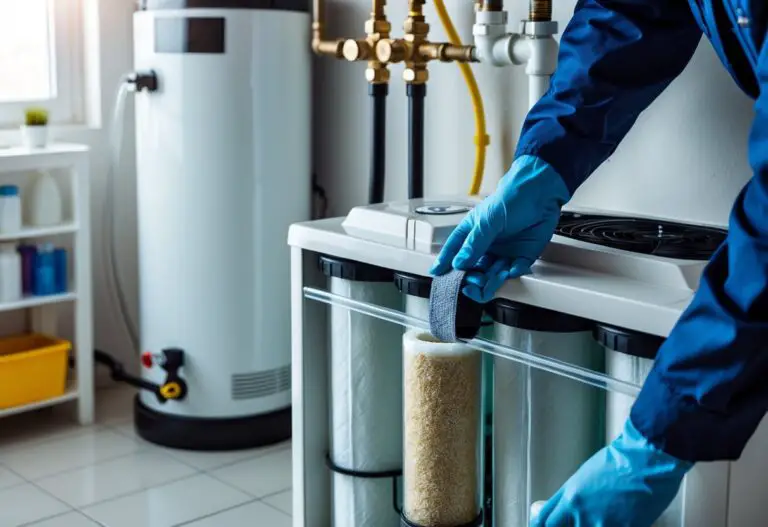
Filter replacement schedules vary by system type and water quality. Sediment and carbon filters typically need replacement every 6-12 months. RO membranes last 2-3 years with proper maintenance.
Systems with permeate pumps reduce water waste and improve efficiency. They help RO membranes work better in low water pressure situations while extending membrane life.
Dual air gap designs prevent backflow contamination. This safety feature meets plumbing codes in many areas and protects your water supply from contamination.
Pre-filter systems protect expensive RO membranes from premature fouling. Replacing cheaper pre-filters regularly extends the life of costly RO membranes and reduces long-term maintenance costs.
Top Water Softener With Reverse Osmosis Systems for 2025
The best combined water softener and reverse osmosis systems offer whole-house mineral removal alongside purified drinking water. Top performers include the Aquasure 64,000 grains bundles for large homes, APEC’s whole-house solutions, and high-flow systems like the Waterdrop G3 P800.
Aquasure 64,000 Grains Whole House Bundles
The Aquasure 64,000 grains system handles medium to large homes with 4-6+ bathrooms. This bundle combines a digital metered water softener with a 75 GPD reverse osmosis drinking water system.
The Aquatrol control head provides automatic regeneration based on actual water usage. This saves salt and water compared to timer-based systems.
Key Features:
- Removes iron, calcium, and magnesium minerals
- Triple-purpose pre-filters eliminate 99% of chlorine and sediment
- 4-stage RO system for drinking water
- Digital display shows system status
The softener protects your plumbing and appliances from scale buildup. Meanwhile, the RO system removes contaminants like lead, fluoride, and chlorine from drinking water.
Filter replacement occurs every 6-12 months depending on water quality. The system works with both city and well water sources.
APEC WH-SOFTENER-30-FG System
APEC Water Systems offers whole-house solutions that combine water softening with comprehensive filtration. Their systems target homes needing both soft water and contaminant removal throughout the house.
The WH-SOFTENER-30-FG handles up to 30,000 grains of hardness removal. It includes multi-stage filtration to address chlorine, sediment, and other common water problems.
System Specifications:
- 30,000 grain capacity softener
- Multi-stage pre-filtration
- Designed for 3-4 bathroom homes
- Automatic regeneration controls
This system focuses on delivering soft, filtered water to every faucet in your home. The pre-filtration stages protect the softener resin and improve overall water quality.
APEC systems typically include NSF certification for key components. This ensures the system meets strict water quality standards.
Waterdrop G3 P800 High Flow RO System
The Waterdrop G3 P800 delivers high-flow reverse osmosis filtration without a storage tank. This under-sink system produces purified water on demand at 800 gallons per day.
The 8-stage filtration process removes over 1,000 contaminants. These include PFAS, lead, fluoride, chlorine, and heavy metals.
Advanced Features:
- Smart faucet with TDS monitoring
- Real-time filter life tracking
- Tankless design saves space
- NSF certification for contaminant reduction
The system fills a cup of water in about 6 seconds. This eliminates waiting time compared to traditional tank-based RO systems.
Installation fits under most kitchen sinks. The smart display shows water quality and reminds you when filters need replacement.
Note that this system only provides purified drinking water. You’ll need a separate water softener for whole-house mineral removal.
AquaTru and Countertop Models
AquaTru offers countertop reverse osmosis systems that require no plumbing installation. These portable units work well for renters or homes where under-sink installation isn’t possible.
AquaTru systems use 3-stage filtration to remove chlorine, lead, fluoride, and other contaminants. The compact design fits on most countertops.
Countertop Advantages:
- No installation required
- Portable between locations
- Works with any water source
- Easy filter replacement
These systems don’t soften water but provide purified drinking water anywhere. They’re ideal for apartments, RVs, or as a backup to whole-house systems.
Production rates are lower than plumbed systems, typically 1-2 gallons per hour. The built-in reservoir holds filtered water for immediate use.
Countertop models complement whole-house water softeners by providing extra-pure drinking water. They’re also useful for homes with good water quality that only need drinking water improvement.