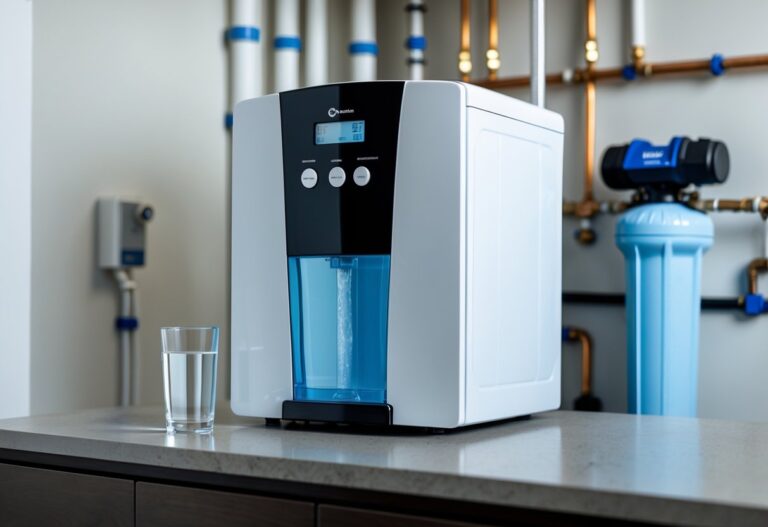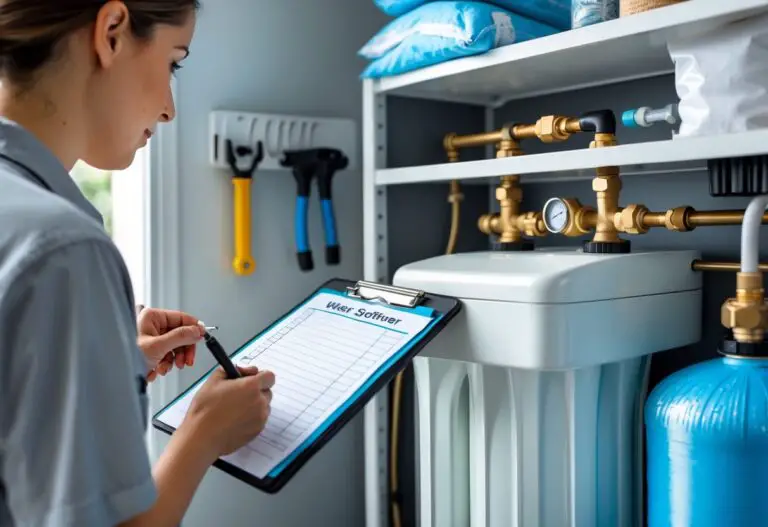

Hard water with iron creates a double problem that can ruin your appliances, stain your fixtures, and make daily tasks frustrating. The iron leaves orange and brown stains on everything it touches, while the hard minerals build up scale in your pipes and water heater.
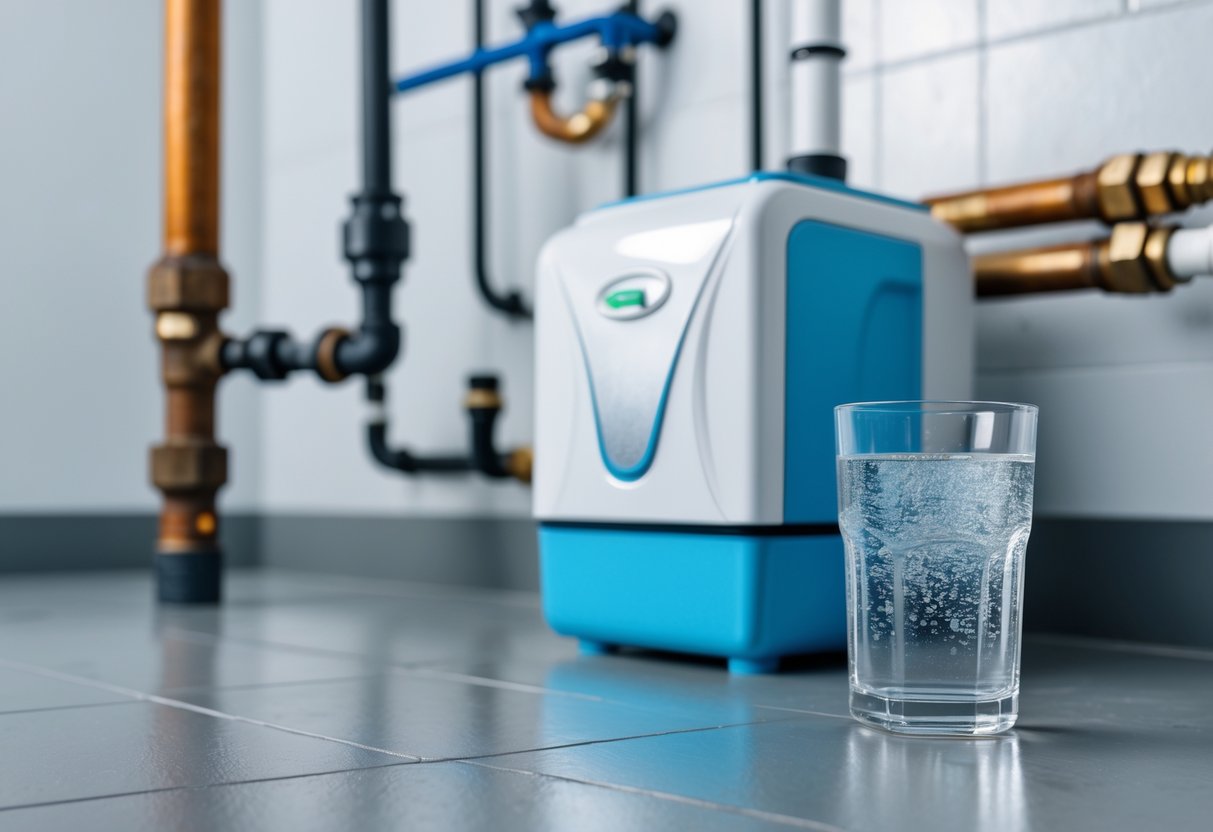
The best water softener for hard water with iron must use fine mesh resin and have a clear iron removal rating that exceeds your water’s tested iron levels, typically handling 3-7 parts per million effectively. Standard water softeners cannot handle iron properly and will quickly become clogged and useless. You need a system specifically designed for this challenge.
Testing your water first is essential to choose the right system. A family of four with moderately hard, iron-rich water typically needs a 32,000 to 48,000-grain capacity system with a digital metered valve. The investment pays off by protecting your appliances, eliminating stains, and improving your water quality throughout your entire home.
Key Takeaways
- Hard water with iron damages appliances and creates stubborn stains that standard cleaning cannot remove
- The best systems require fine mesh resin, proper iron removal ratings, and digital metered control valves
- Regular maintenance with iron-removing cleaners and proper installation ensure long-term performance and protect your investment
How Hard Water With Iron Affects Your Home
Hard water combined with iron creates distinct problems that damage your home and affect daily life. Iron buildup causes stubborn stains while hard minerals create scale that clogs pipes and ruins appliances.
Common Problems and Signs of Iron in Hard Water
Orange and brown stains appear on toilets, sinks, and bathtubs when iron mixes with oxygen in your water. These rust stains are nearly impossible to remove with regular cleaners.
Your laundry shows telltale signs too. White clothes turn yellow or orange after washing. Dark fabrics develop rust-colored spots that won’t come out.
Metallic taste and smell make your drinking water unpleasant. You might notice a bitter, metallic flavor or a musty odor from your faucets.
Water quality issues become obvious when you see:
- Reddish-brown water when you first turn on taps
- Slimy orange buildup in toilet tanks
- Discolored ice cubes from your refrigerator
- Stained dishes even after washing
Your water pressure may drop as iron particles clog faucet screens and showerheads. The buildup creates blockages that reduce water flow throughout your home.
Impact on Plumbing, Appliances, and Laundry
Iron buildup and hard water minerals create scale inside your pipes. This scale narrows water passages and reduces flow over time. Your pipes may eventually need replacement due to severe blockages.
Appliances suffer the most damage from this combination. Your water heater works harder when scale coats heating elements. This increases energy bills and shortens the unit’s life by years.
Dishwashers develop white film on dishes from hard water. Iron stains make glasses look dirty even after cleaning. The internal parts corrode faster with iron-rich water.
Washing machines face similar problems. Hard water prevents soap from working properly. Iron leaves permanent stains on clothes and damages fabric fibers.
Hot water systems are especially vulnerable. Scale buildup reduces efficiency by up to 30%. Iron accelerates corrosion in pipes and tanks.
Health and Aesthetic Concerns From Iron Contamination
Iron in your water creates aesthetic problems that affect your daily comfort. Your skin feels dry and itchy after showering with hard water. Iron can worsen these effects by clogging pores.
Hair becomes dull and brittle from mineral deposits. Iron gives blonde or gray hair an orange tint that’s hard to remove. Your hair may feel rough and tangled even after conditioning.
The metallic taste makes drinking water unpleasant. While iron isn’t harmful at normal levels, the taste encourages people to drink less water or buy bottled water instead.
Cooking suffers when iron affects water quality. Foods cooked with iron-rich water may taste metallic. Tea and coffee develop an off flavor that ruins the experience.
Your home’s appearance declines as rust stains spread to more surfaces. Bathroom fixtures look dirty despite regular cleaning. These stains hurt your home’s value and create embarrassing situations with guests.
Key Criteria for Choosing the Best Water Softener for Hard Water With Iron
Selecting the right water softener for hard water with iron requires careful attention to grain capacity, specialized resin technology, and iron removal capabilities. The control valve and regeneration system determine how efficiently your system operates and maintains peak performance.
Essential Features: Grain Capacity, Resin, and Iron Removal
Your water softener’s grain capacity determines how much hardness it can remove before needing regeneration. For homes with iron-contaminated hard water, you need at least 32,000-64,000 grains of capacity.
Standard water softener resin handles up to 3 ppm of ferrous iron. Beyond this level, the resin beds become fouled and lose effectiveness quickly.
Ion exchange resin works by trading calcium and magnesium ions for sodium ions. When iron is present, it can coat the resin and block this process.
You should calculate your daily water usage and hardness level to determine the right grain capacity. A family of four typically needs 32,000 grains for moderately hard water.
Fine mesh resin provides better iron removal than standard resin. It captures smaller iron particles that regular resin misses.
Iron Filtration Mechanisms and Technologies
Iron water filter systems use different technologies to remove iron before it reaches your softener resin. KDF media uses copper-zinc alloy to convert dissolved iron into particles that can be filtered out.
Catalytic carbon, especially Centaur catalytic carbon, removes iron through oxidation. This process turns dissolved iron into solid particles.
Pre-filtration systems protect your water softener by removing iron first. This prevents resin fouling and extends system life significantly.
| Technology | Iron Removal | Best For |
|---|---|---|
| KDF Media | Up to 10 ppm | High iron levels |
| Catalytic Carbon | Up to 5 ppm | Moderate iron |
| Fine Mesh Resin | Up to 7 ppm | All-in-one systems |
Activated carbon can remove some iron but works better for taste and odor issues. It’s often combined with other media for complete treatment.
Why Fine Mesh Resin and Specialized Media Matter
Fine mesh resin has smaller bead size than standard softener resin. This creates more surface area for ion exchange and better iron capture.
Standard resin beads are 16-50 mesh size. Fine mesh resin uses 20-50 mesh, providing more contact points for iron removal.
Specialized media like catalytic carbon works differently than ion exchange. It oxidizes iron so it can be filtered out mechanically.
KDF media creates an electrochemical reaction that converts iron into particles. These particles then get trapped in the filter media.
Your water softener system performs better when iron is removed first. This protects the resin beds from fouling and maintains softening efficiency.
Fine mesh resin costs more than standard resin but lasts longer with iron-contaminated water. The investment pays off through reduced maintenance needs.
Evaluating Control Valves and Regeneration Methods
The control valve manages your water softener’s regeneration cycles. Digital metered valves like the Fleck 5600SXT offer precise control based on actual water usage.
Metered regeneration saves salt and water by regenerating only when needed. Timer-based systems regenerate on schedule regardless of usage.
High flow valves handle greater water demand without pressure drops. Look for valves rated for at least 12-15 GPM for typical homes.
A paddle wheel meter tracks water usage accurately. This ensures regeneration happens at the right time to maintain water quality.
Digital metered valves provide better efficiency than mechanical timers. They adjust regeneration frequency based on your actual water consumption patterns.
The control valve also determines backwash flow rates. Proper backwash removes iron particles and prevents resin bed channeling.
Top-Rated Water Softener Systems for Hard Water With Iron
Several specialized systems excel at removing both hardness minerals and iron from well water, with salt-based units like the DURAWATER Iron Eater and Kenmore 350 leading performance ratings. Multi-stage filtration systems and combination units from manufacturers like AFWFilters offer comprehensive solutions for homes with complex water chemistry issues.
Review: DURAWATER Iron Eater 48K With Fleck 5600SXT
The DURAWATER Iron Eater 48K stands out as a dedicated iron removal system. It pairs a 48,000-grain capacity tank with the proven Fleck 5600SXT control valve.
This system removes up to 3 ppm of iron along with standard hardness minerals. The Fleck 5600SXT control head provides reliable operation with mechanical regeneration cycles.
Key Features:
- 48,000-grain capacity for medium households
- Removes ferrous iron up to 3 ppm
- Mechanical Fleck 5600SXT valve
- Suitable for 1-4 person homes
The iron eater uses enhanced resin specifically designed for iron removal. You’ll need to maintain proper salt levels and consider pre-filtration if your iron levels exceed 3 ppm.
Installation requires basic plumbing skills. The system measures 54″ x 10″ and needs adequate clearance for salt additions and maintenance access.
Performance of Kenmore 350 and Advanced Residential Units
The Kenmore 350 Water Softener delivers impressive iron removal capabilities. It handles iron levels up to 8 ppm while managing hardness up to 90 grains per gallon.
Performance Specifications:
| Feature | Kenmore 350 |
|---|---|
| Grain Capacity | 32,000 |
| Max Iron Removal | 8 ppm |
| Max Hardness | 90 GPG |
| Flow Rate | 12 GPM |
The IntelliSoft technology automatically adjusts to your water usage patterns. This saves salt, water, and energy compared to timer-based systems.
You’ll notice reduced iron staining on fixtures and laundry within days of installation. The system regenerates based on actual water consumption rather than preset schedules.
Advanced residential units like the Kenmore 350 work best with pre-filtered water. Consider sediment filtration if your well water contains visible particles or high turbidity levels.
Multi-Stage and Combination Filtration Solutions for Iron & Hardness
Multi-stage filtration systems tackle complex water chemistry through sequential treatment processes. These combination units address iron, hardness, sediment, and other contaminants simultaneously.
A typical multi-stage setup includes:
- Sediment pre-filter – removes particles and rust
- Iron filter – oxidizes and filters ferric iron
- Water softener – removes hardness minerals
- Carbon post-filter – improves taste and odor
Iron water filter systems with multi-stage design handle higher iron concentrations than single-tank softeners. You can treat iron levels up to 15 ppm with properly sized combination systems.
Benefits of Multi-Stage Systems:
- Handle complex water chemistry
- Remove multiple contaminants
- Protect downstream equipment
- Provide comprehensive water treatment
These systems require more space and higher upfront costs. However, they deliver superior water quality for homes with challenging well water conditions.
AFWFilters and Other Noteworthy Models
AFWFilters manufactures several iron remover systems designed for well water applications. Their combination units feature oversized mineral tanks and specialized iron removal media.
The AFWFilters Iron Pro 2 combines softening and iron filtration in one system. It removes up to 8 ppm iron along with hardness minerals and hydrogen sulfide.
Notable Features:
- Dual-purpose resin for iron and hardness
- Digital control head with bypass valve
- 64,000-grain capacity options
- Fine mesh resin for enhanced iron removal
Other noteworthy manufacturers include Pentair, Culligan, and Water-Right. These companies offer iron softener systems with varying capacities and iron removal ratings.
When selecting an iron water filter system, match the iron removal capacity to your actual water test results. Systems rated for 3 ppm iron will struggle with 6 ppm concentrations, leading to breakthrough and staining issues.
Consider warranty coverage and local service availability when choosing between manufacturers. Professional installation ensures proper sizing and optimal performance for your specific water conditions.
Installation, Maintenance, and Enhancements for Long-Term Performance
Proper installation near your main water line before the water heater maximizes iron removal effectiveness. Regular resin bed maintenance and targeted cleaning products prevent iron buildup that can damage your system and reduce water softening performance.
Best Practices for Setting Up a Water Softener With Iron Removal
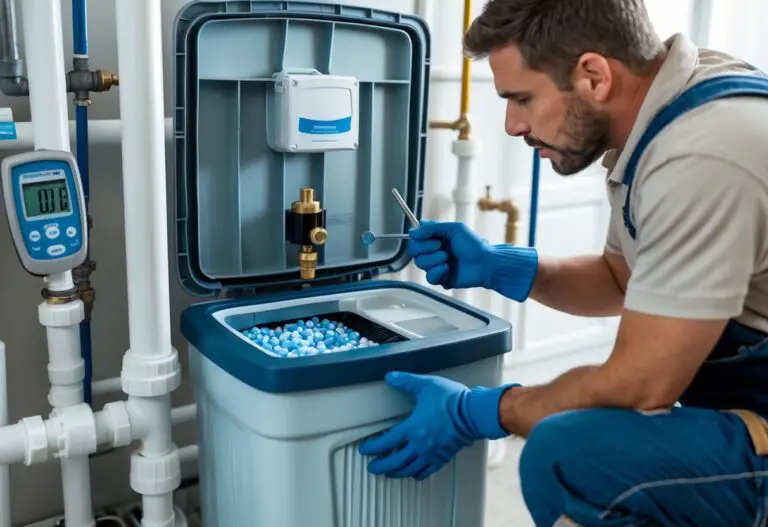
Install your water softener on the main water supply line before it reaches your water heater. This placement prevents hard water and iron from damaging your appliances.
Use bypass valves during installation. These valves allow water flow during maintenance without shutting off your entire home’s water supply.
Pre-filtration requirements:
- Install a sediment filter if iron levels exceed 5 ppm
- Use a manganese greensand filter for manganese removal above 0.05 ppm
- Place iron filters upstream from the softener
Size your pipes correctly to maintain water pressure. Most residential systems need 1-inch supply lines for optimal flow rates.
Set regeneration cycles during off-peak hours between 2-4 AM. This timing ensures maximum salt efficiency and prevents water disruption during daily use.
Position the unit on level ground with adequate drainage. Poor drainage can cause salt buildup and system failures.
Maintaining Resin Beds and Preventing Iron Buildup
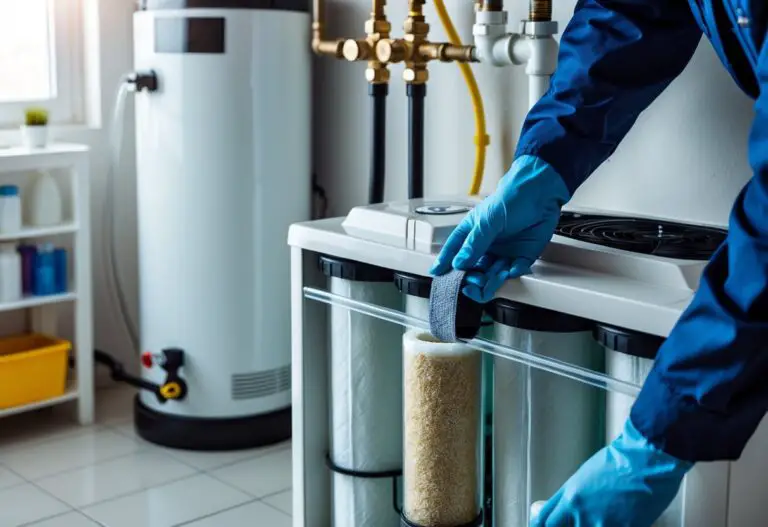
Check your resin beds every 3-6 months for iron fouling. Iron buildup appears as orange or brown coating on the resin beads.
Use Pro Products Rust Out or similar iron cleaning solutions monthly if your water contains more than 3 ppm iron. These products break down iron deposits that standard regeneration cannot remove.
Monitor water flow rates as your first warning sign. Reduced flow often indicates resin bed contamination from iron or manganese buildup.
Replace resin beds every 8-10 years with heavy iron content. Iron accelerates resin degradation compared to standard hard water minerals.
Cleaning schedule:
- Monthly: Iron cleaning solution treatment
- Quarterly: Visual resin inspection
- Annually: Professional resin bed evaluation
Adjust regeneration frequency based on iron levels. Higher iron content requires more frequent regeneration cycles to prevent permanent resin damage.
Cleaning Products and Regeneration Tips
Use high-purity water softener salt to prevent additional iron introduction. Avoid rock salt which contains iron impurities that worsen buildup problems.
Add iron removal cleaners during regeneration cycles. Mix one cup of iron cleaner with your regular salt dose for enhanced cleaning power.
Regeneration optimization:
- Increase salt dose by 25% for water with 2-4 ppm iron
- Use potassium chloride instead of sodium for manganese removal
- Extend backwash time by 50% with iron present
Clean the brine tank every six months. Remove accumulated iron sediment and rust stains that can clog injection systems.
Test regeneration effectiveness monthly using iron test strips. Poor regeneration leaves iron in the resin beds and reduces water softening capacity.
Ensuring System Longevity and Upgrade Paths
Monitor system performance through regular water testing. Test for hardness, iron, and manganese levels quarterly to catch problems early.
Upgrade to dual-tank systems for homes with iron levels above 4 ppm. Continuous operation prevents iron precipitation during regeneration downtime.
Upgrade considerations:
- Add specialized iron filters for levels above 10 ppm
- Install UV sterilization for iron bacteria problems
- Consider reverse osmosis for drinking water with high iron content
Replace control valves every 10-15 years. Electronic controls handle complex regeneration schedules better than mechanical timers for iron removal systems.
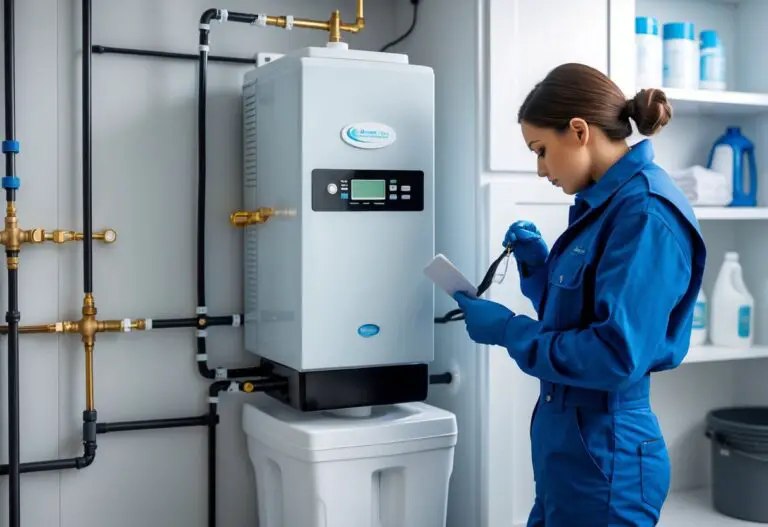
Schedule professional maintenance annually. Technicians can spot early signs of iron damage and recommend preventive measures.
Keep detailed maintenance logs including cleaning dates, salt usage, and water test results. This data helps identify patterns and optimize system performance.