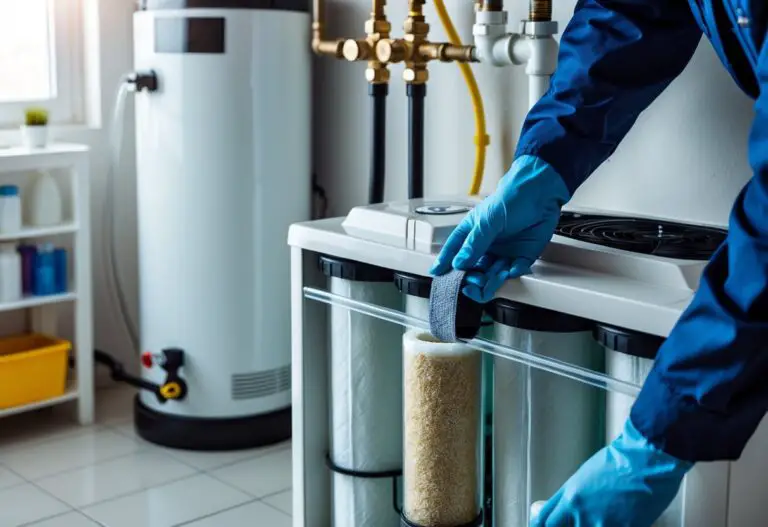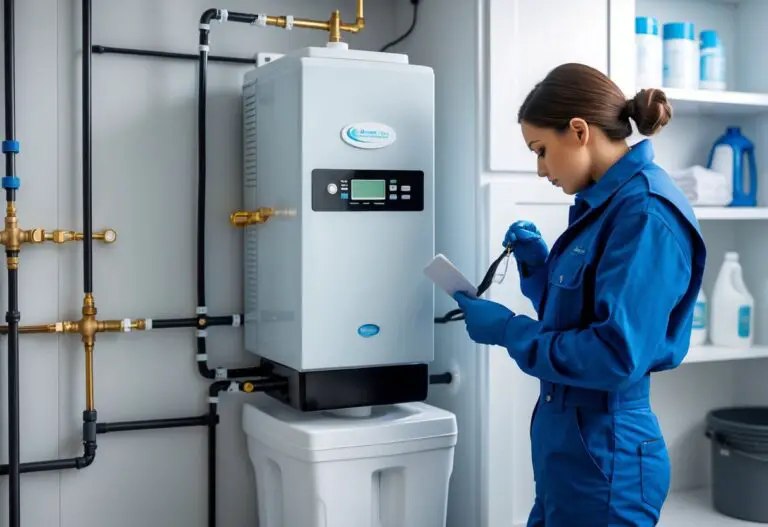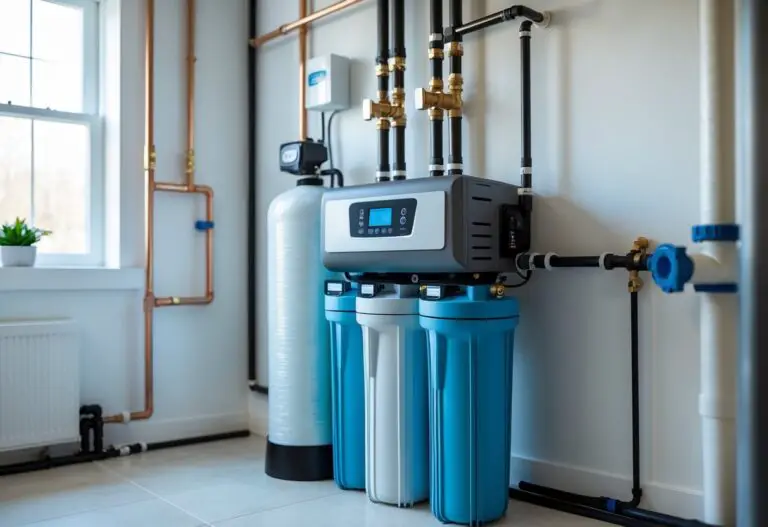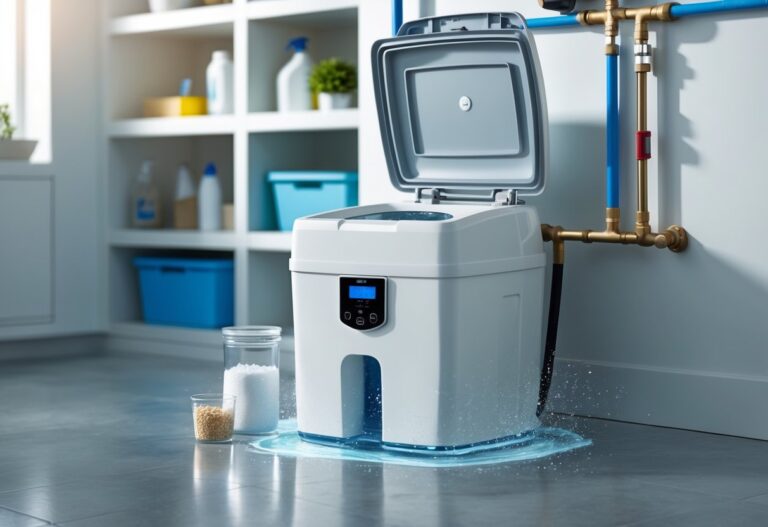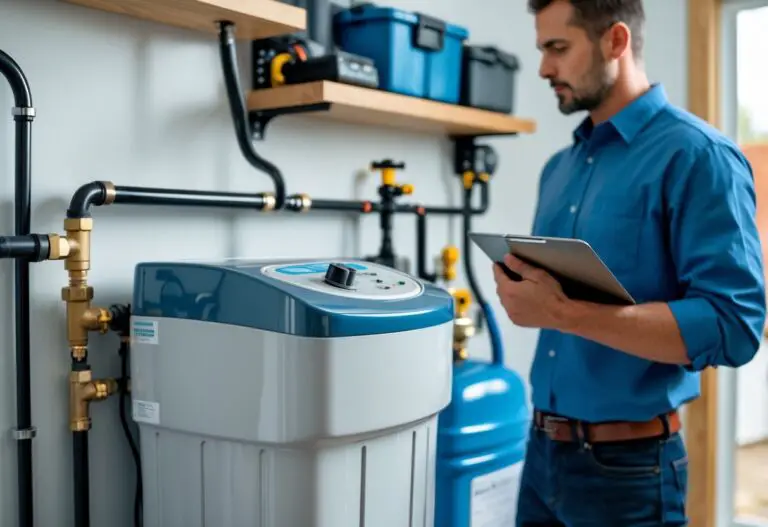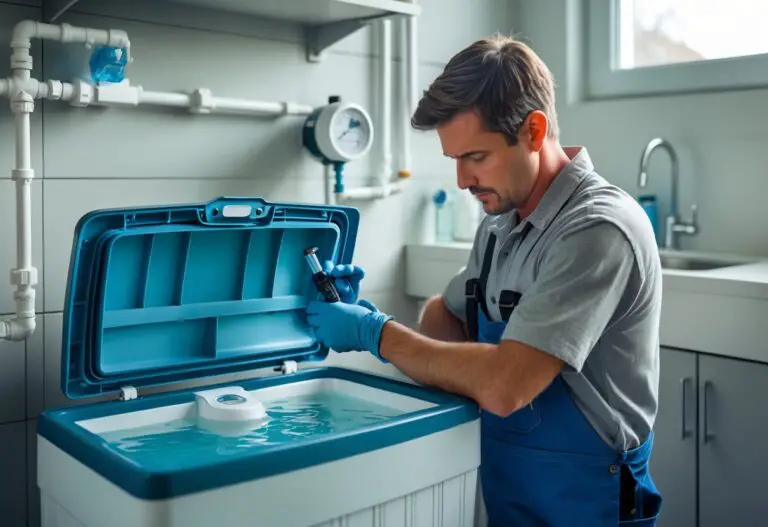

Hard water problems don’t have to cost you thousands of dollars to fix. You can find effective water softener systems for under $1,000 that remove calcium and magnesium minerals just as well as expensive models. Budget-friendly water softeners like the Fleck 5600 STX and Whirlpool WHES40E deliver 32,000-40,000 grain capacity performance while saving you over $100 annually on cleaning products.
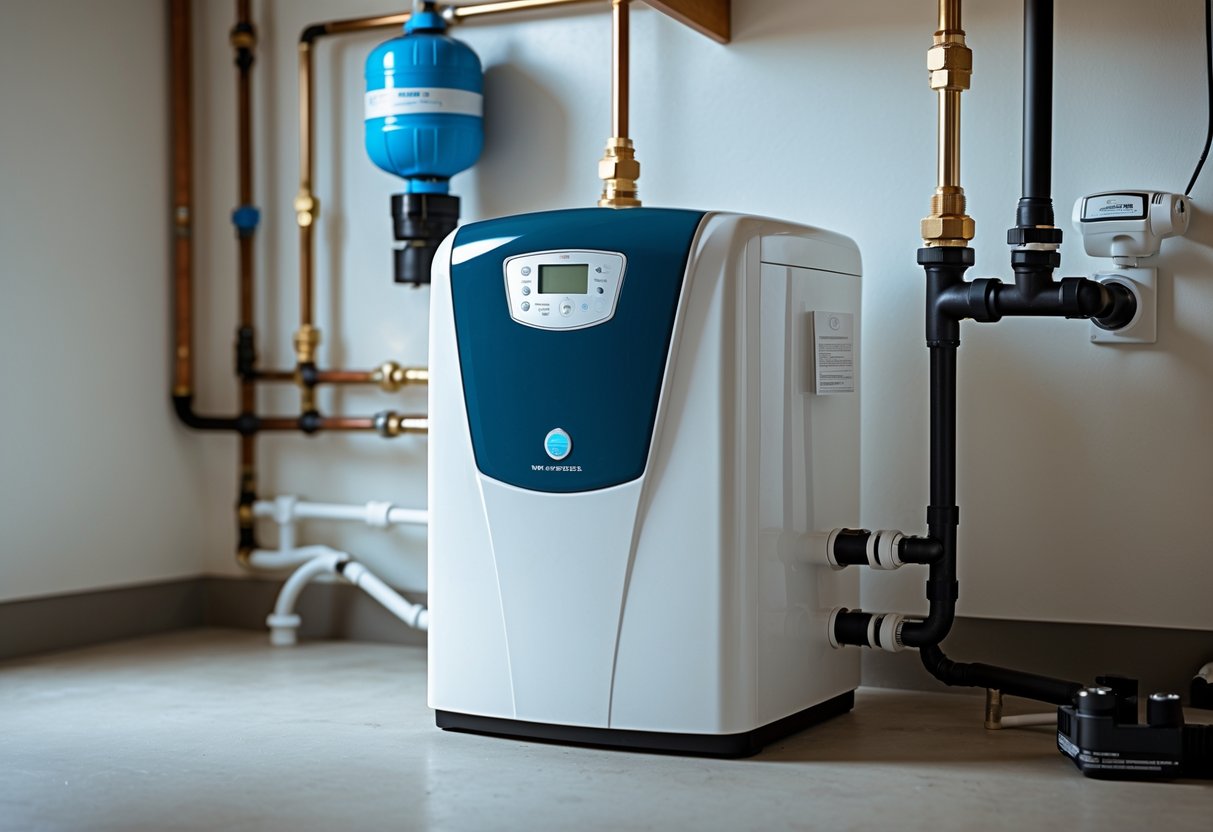
The key is knowing which features matter most for your home and which expensive add-ons you can skip. Salt-based systems handle high hardness levels effectively, while newer salt-free options offer lower maintenance costs. Your household size and water hardness level will determine the grain capacity you need – typically around 10,000 grains per person for water exceeding 10 GPG hardness.
Smart shopping means focusing on certified systems with proven track records rather than flashy marketing claims. NSF or WQA certifications guarantee your affordable system meets safety and effectiveness standards, while customer reviews reveal real-world performance over time.
Key Takeaways
- You can get effective water softening performance for under $1,000 with proper research and smart feature selection
- Match your system’s grain capacity to your household size and water hardness level for optimal performance
- Look for NSF or WQA certified systems with positive customer reviews to ensure reliable long-term results
Affordable Water Softener System Basics
Water softeners transform hard water into soft water by removing calcium and magnesium minerals. Understanding how these systems work and their benefits helps you make smart choices when shopping for affordable water softening solutions.
How Water Softeners Work
Water softeners use ion exchange technology to remove hardness minerals from your water supply. The system contains resin beads that attract calcium and magnesium ions.
When hard water flows through the softener tank, the resin beads grab onto the calcium and magnesium. They replace these minerals with sodium ions instead.
This process happens automatically as water moves through your home’s plumbing. The resin beads eventually get full of hardness minerals and need cleaning.
The regeneration cycle washes the resin beads with salt water. This removes the calcium and magnesium and reloads the beads with fresh sodium ions.
Most affordable water softeners regenerate based on water usage or time. Smart systems track your water use and only regenerate when needed.
Understanding Hard Water vs. Soft Water
Hard water contains high levels of dissolved calcium and magnesium minerals. These minerals come from underground water moving through limestone and chalk deposits.
Hard water levels:
- 0-3 grains per gallon: Soft
- 4-7 grains per gallon: Moderately hard
- 8-12 grains per gallon: Hard
- 13+ grains per gallon: Very hard
You can spot hard water by white spots on dishes and soap scum in showers. Your skin might feel dry after bathing. Clothes may look dingy after washing.
Soft water feels slippery and creates more soap bubbles. It leaves your skin feeling smoother. Dishes dry without water spots.
About 25% of US homeowners deal with hard water problems. A simple water test tells you your hardness level and helps you pick the right affordable water softener size.
Key Benefits of Softening Water
Soft water protects your appliances from mineral buildup. Water heaters, dishwashers, and washing machines last longer when calcium and magnesium are removed.
Your monthly costs drop with soft water. You use less soap and detergent because soft water creates better lather. Studies show savings of over $100 per year on cleaning products.
Household improvements include:
- Cleaner dishes without spots
- Softer clothes that last longer
- Less time scrubbing soap scum
- Better water pressure from clean pipes
Your plumbing stays healthier too. Hard water creates scale buildup inside pipes that reduces water flow. Soft water prevents this expensive problem.
Even affordable water softeners deliver these benefits. Budget models between $500-$1,200 provide effective treatment for most homes when properly sized for your needs.
Types of Affordable Water Softeners
Water softeners come in different types that fit various budgets and needs. Salt-based systems offer the most effective hard water treatment at moderate costs, while salt-free options provide maintenance-free operation with higher upfront prices.
Salt-Based Water Softener Systems
Salt-based water softeners are the most popular affordable water softener choice for most homes. These systems use ion exchange to remove calcium and magnesium minerals from your water supply.
How They Work: Your water flows through resin beads that swap hard minerals for sodium ions. The system has two tanks – one with resin beads and another with salt brine for cleaning the beads.
Cost Range: You can expect to pay $400 to $1,000 for a quality salt-based system. Popular models like the Fleck 5600 STX and Aquasure Harmony Series offer 32,000 grain capacity at competitive prices.
Key Benefits:
- Handles very hard water effectively
- Makes soap work better
- Protects appliances from scale buildup
- Lasts 10-15 years with proper care
Ongoing Costs: You need to add salt monthly and pay for electricity to run the system. Most homeowners spend $5-15 per month on salt.
Salt-Free and Magnetic Water Softeners
Salt-free water softeners work differently than traditional systems. They condition water instead of removing minerals completely.
How They Function: These systems change the structure of calcium and magnesium so they don’t stick to pipes and appliances. Some use nano-technology while magnetic water softeners use magnetic fields.
Price Range: Salt-free systems cost $500 to $3,000 upfront. While more expensive initially, they have lower operating costs since you don’t buy salt or use electricity.
Main Advantages:
- No salt required
- No maintenance needed
- Environmentally friendly
- Keeps healthy minerals in water
Limitations: These systems struggle with very hard water above 25 grains per gallon. They work best for moderate hardness levels and smaller households.
Portable and Whole House Systems
You can choose between portable units and whole house water softeners based on your living situation and budget.
Portable Water Softeners: These compact units cost $200-500 and work well for RVs, apartments, or small homes. The On The Go Portable model offers 5 GPM flow rate for $272.
Whole House Systems: These larger units treat all water entering your home. They range from $400-3,000 depending on capacity and features.
Size Considerations:
| Household Size | Grain Capacity | Price Range |
|---|---|---|
| 1-2 people | 16,000-24,000 | $400-600 |
| 3-4 people | 32,000-48,000 | $500-800 |
| 5+ people | 64,000+ | $700-1,000+ |
Installation Options: Many affordable systems offer DIY installation to save money. Professional installation adds $200-500 to your total cost but ensures proper setup.
Key Considerations for Budget Water Softeners
When choosing an affordable water softener, you need to focus on four critical factors that directly impact performance and value. Proper grain capacity matching, adequate flow rates, reliable certifications, and realistic maintenance expectations will help you find a system that delivers quality water without overpaying.
Grain Capacity and Grains Per Gallon
Grain capacity determines how much hardness your system can remove before regenerating. You calculate your needs by multiplying daily water usage by your water’s hardness level in grains per gallon.
A family of four typically uses 300-400 gallons daily. If your water tests at 10 grains per gallon hardness, you need roughly 3,000-4,000 grains removed daily.
Choose these capacities based on household size:
- 1-2 people: 24,000-32,000 grain capacity
- 3-4 people: 32,000-40,000 grain capacity
- 5+ people: 48,000-64,000 grain capacity
Undersized systems regenerate too often, wasting salt and water. Oversized units cost more upfront without benefits.
Test your water hardness first. Many budget systems handle 3-20 grains per gallon effectively. Higher hardness levels may require more expensive equipment.
Flow Rate and Household Needs
Flow rate measures how many gallons per minute your softener delivers. Insufficient flow rate creates pressure drops when multiple fixtures run simultaneously.
Most households need at least 10-15 GPM flow rate. Larger families or homes with multiple bathrooms should target 15-20 GPM minimum.
Consider these factors for flow rate:
- Number of bathrooms and fixtures
- Peak usage times (morning showers)
- Appliances requiring soft water
- Future household growth
Budget softeners often compromise on flow rate. Check specifications carefully before buying. A 5 GPM system works for RVs but fails in standard homes.
Some affordable models maintain good pressure up to their rated capacity. Others experience significant drops under normal use.
Certifications and Quality Assurance
Look for NSF certification when evaluating budget water softeners. This third-party testing confirms the system actually removes hardness minerals as claimed.
Key certifications to verify:
- NSF/ANSI Standard 44 (performance requirements)
- WQA Gold Seal (Water Quality Association approval)
- CSA certification (safety standards)
Uncertified systems may work initially but lack proven long-term reliability. Certified budget models like certain Fleck and Rheem units offer peace of mind.
Check manufacturer warranties too. Reputable brands provide at least 1-year coverage on parts. Some offer longer warranties on key components like control valves.
Read customer reviews from verified purchasers. Look for consistent reports about performance and durability over 1-2 years of use.
Installation and Maintenance Requirements
DIY installation can save $200-500 in labor costs, making budget softeners more affordable. Many entry-level systems include basic installation hardware and instructions.
Installation considerations include:
- Available space near main water line
- Electrical outlet for control valve
- Drain access for backwash cycles
- Local plumbing code compliance
Maintenance costs add up over time. Salt-based systems need 40-pound salt bags every 1-2 months, costing $5-10 each.
Plan for filter replacements if your system includes pre-filtration. Resin beds typically last 8-12 years with proper care.
Simple systems require less maintenance but may need more frequent attention. Complex budget models might have reliability issues without professional service.
Making the Right Choice for Your Home
The best affordable water softener depends on your water hardness level, household size, and budget. Key models like the Morton M30 and WaterBoss 220 offer proven performance under $500, while proper evaluation of upfront costs versus long-term savings helps maximize your investment.
Comparing Popular Affordable Models
The Morton M30 stands out as a top choice for most homes with its demand-initiated regeneration system. This feature saves salt and reduces operating costs while handling moderate to high water hardness levels effectively.
WaterBoss 220 works well for smaller households. It costs around $400 and includes salt-saving technology that cuts monthly expenses by up to 30% compared to basic timer-based systems.
For those seeking salt-free options, the APEC FUTURA-15 prevents scale buildup without ongoing salt purchases. This system works best in areas with moderate water hardness where traditional softening isn’t essential.
Aquasure Harmony offers another budget-friendly whole house water softener option. It provides reliable performance with user-friendly controls and compact design suitable for most homes.
Consider these factors when comparing models:
- Water hardness level in your area
- Daily water usage for your household
- Available installation space
- Preferred regeneration method (metered vs. timer-based)
Cost vs. Long-Term Value
Budget water softeners under $500 can deliver excellent value when you factor in long-term savings. Systems with metered regeneration reduce salt consumption by 30%, lowering monthly operating costs significantly.
DIY installation saves $1,000-$3,000 compared to professional setup. Most affordable whole house water softener systems include detailed instructions that make installation manageable in 2-4 hours.
Salt efficiency directly impacts your monthly expenses. Traditional systems use 40-80 pounds of salt monthly, while high-efficiency models cut this amount substantially.
| Cost Factor | Budget Impact |
|---|---|
| System price | $300-$500 |
| Professional installation | $1,000-$3,000 |
| Monthly salt costs | $15-$40 |
| DIY installation time | 2-4 hours |
Look for NSF certification to ensure quality standards. This certification guarantees your affordable water softener meets industry performance requirements without cutting corners on essential features.
Where to Buy Affordable Water Softeners
Home improvement stores like Lowe’s and Home Depot carry popular budget models including Morton M30 and WaterBoss systems. These retailers often provide installation services if you prefer professional setup.
Online retailers offer the widest selection and competitive pricing. Amazon, Wayfair, and specialty water treatment websites frequently run sales on whole house water softener systems.
Local water treatment dealers provide personalized service and may offer package deals. They can test your water hardness and recommend the best affordable water softener for your specific needs.
Direct from manufacturer purchases sometimes include extended warranties or installation support. Companies like Morton and WaterBoss sell directly to consumers with competitive pricing.
Compare prices across multiple sources before buying. Check for:
- Warranty coverage and duration
- Return policies and customer support
- Shipping costs for large systems
- Installation service availability